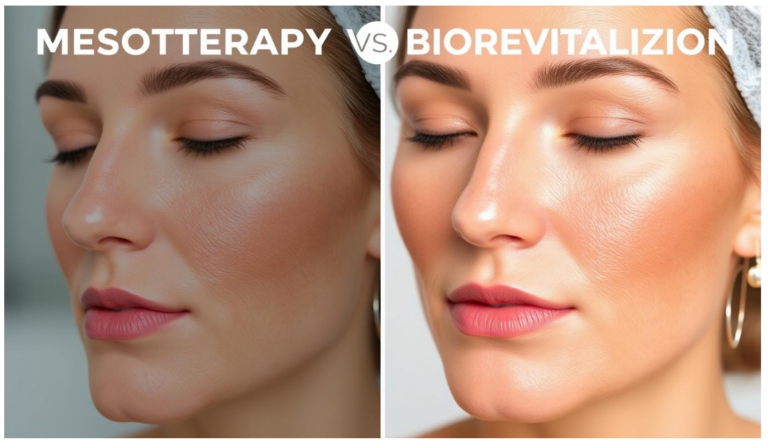
Benefits of Biorevitalization: Skin Rejuvenation
The benefits of biorevitalization come from hyaluronic acid, a molecule that holds a lot of water in the skin. Injected in small amounts, it hydrates the skin from within and supports collagen, so skin looks smoother, plumper and more radiant.
As we age, the skin makes less collagen and hyaluronic acid, which shows up as dryness, dullness and fine lines. Biorevitalization is a non-surgical way to put some of that back. In the U.S., the FDA-approved product in this category is SkinVive by Juvéderm, approved for smoother cheeks; other products used abroad aren’t FDA-approved.

What Is Biorevitalization?
It’s a series of tiny injections of hyaluronic acid into the skin. The goal isn’t to add volume like a filler but to improve hydration, elasticity and overall skin quality.
The technique was first developed in Italy as an anti-aging treatment and is now used for many skin concerns, from dryness to sun damage.
How Does It Help Collagen?
Collagen keeps skin firm and elastic. Hyaluronic acid draws water into the skin and creates an environment where the cells that make collagen, called fibroblasts, become more active.
In studies, people who had a short course of treatments saw firmer, better-hydrated skin and softer wrinkles. The effect builds over several sessions rather than appearing all at once.
How Does It Improve Hydration?
Hyaluronic acid attracts and holds water, which helps balance moisture in the skin. Well-hydrated skin looks plumper and smoother, and fine lines caused by dryness become less noticeable.
| Treatment | Duration of Effects | Number of Sessions | Side Effects |
|---|---|---|---|
| Biorevitalization | Up to 6 months | 3–4, every 2–4 weeks | Minimal swelling, temporary redness |
| Fillers | 6-12 months | As needed | Bruising, tenderness |
Most people notice a gradual, steady improvement after three or four sessions, though skin often looks a little smoother right after the first.
Does It Reduce Fine Lines and Wrinkles?
Yes, especially fine lines caused by dryness. By restoring moisture and supporting collagen, it leaves the skin smoother and more elastic. It’s well suited to dry, thin or sun-damaged skin.
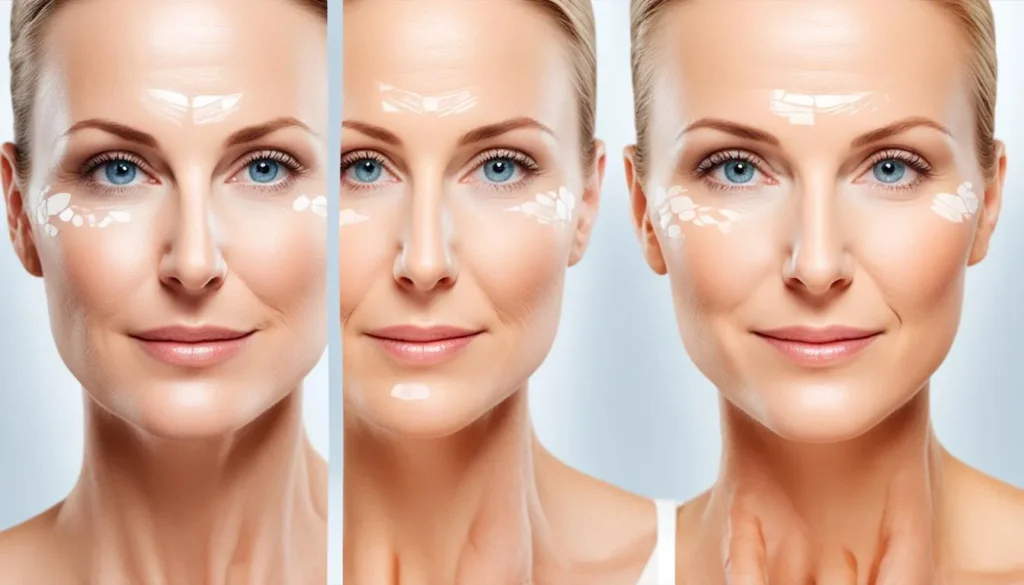
Pricing varies, but a course of four face treatments often costs around $1,000, and adding the neck and décolleté brings it to about $1,500. Redness usually lasts only a few hours.
Some formulas also include amino acids that help collagen production, which can further improve tone and texture.
Can It Help Firm the Skin?
It can make skin firmer and more elastic, which gives the face a fresher, more defined look. It isn’t a substitute for a lift, but it improves skin quality on the face, neck, décolletage and hands.
What Happens During Treatment?
Before your appointment, skip alcohol for a day or two and avoid supplements that increase bruising. Don’t stop any prescribed blood thinner without your doctor’s advice. Come in with clean skin, and share your health history with your provider.
The provider cleans your skin, may apply numbing cream and then places tiny injections across the area. A gentle massage can help spread the product evenly. You’ll usually notice better hydration and glow within about a week.
Afterward, stay out of the sun for 48 hours, use gentle skincare and skip hard workouts, saunas and hot baths for a day or two. Redness and swelling usually fade within hours.
Is Biorevitalization Right for You?
If your skin looks dry, dull or thin, or the first fine lines are showing, biorevitalization is a gentle, non-surgical way to improve it. It boosts hydration and collagen, and with regular maintenance the results can last.
Still have questions?
What are the benefits of biorevitalization?
It hydrates the skin, supports collagen and improves elasticity, which softens fine lines and gives the skin a healthier glow.
What should I expect during the Biorevitalization procedure?
Each session takes about 30–60 minutes. Most people need 3–4 sessions, 2–4 weeks apart, then maintenance about every six months.
Are there any contraindications for Biorevitalization?
Yes. Avoid it if you’re pregnant or have an autoimmune disease or a skin infection. Talk to your provider first.