Is biorevitalization a filler?
Is Biorevitalization a Filler? Skin Treatment Guide
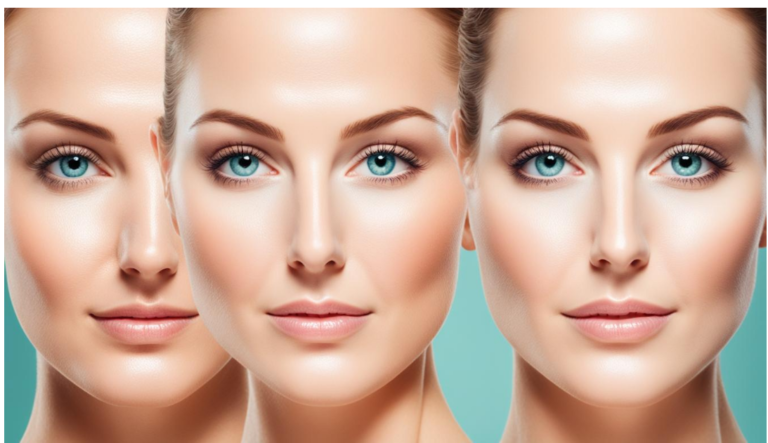
Is biorevitalization a filler? No. Biorevitalization uses many tiny injections of thin hyaluronic acid, often with vitamins or amino acids, to hydrate the skin and improve its quality. Fillers use thicker gels placed deeper to add volume and reshape areas like the cheeks, lips or deep folds.
How are biorevitalization and fillers different?
Both are injectable, but they’re designed for different jobs.
What’s the basic idea?
Biorevitalization focuses on skin quality: hydration, glow and fine texture.
Fillers fix volume loss and change contours, and you see the results right away.
When should you consider each?
Choose biorevitalization if your skin looks dull, dry or crepey.
Choose fillers if you’ve lost volume or want to soften deep folds.
What is biorevitalization?
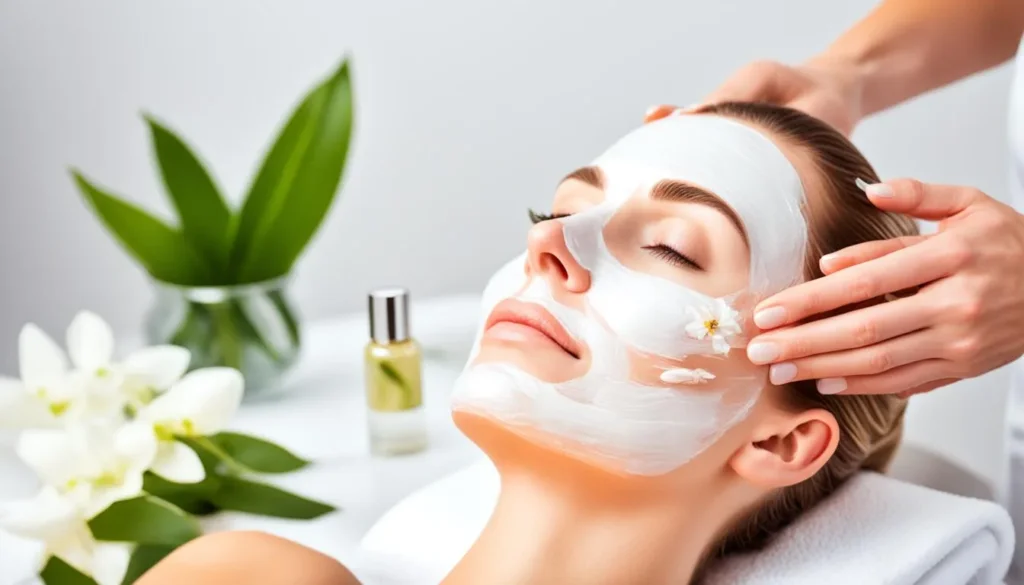
It’s a series of microinjections that deliver hyaluronic acid and other ingredients into the upper layers of the skin.
What’s in it?
Formulas vary but often include hyaluronic acid, vitamins and amino acids.
How does it work?
The hyaluronic acid draws in water, and the treatment may support collagen over time.
Sessions are usually short, and most people need a few treatments spaced a few weeks apart.
What are the benefits?
Does it hydrate the skin?
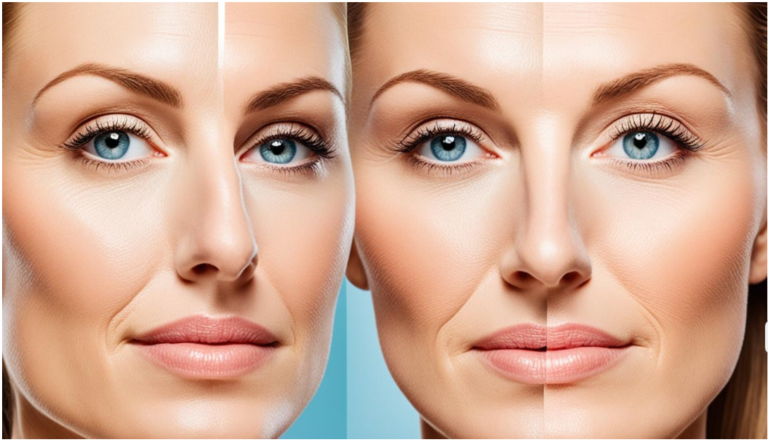
Yes. That’s its main effect, and skin often looks smoother and more radiant.
Does it firm the skin?
It may improve firmness slightly over time, though the effect is subtle.
How long does it last?
Results usually last a few months, so maintenance sessions are common.
What are dermal fillers?
Fillers are gels injected under the skin to add volume and smooth wrinkles.
What types are there?
The most common are hyaluronic acid fillers. Others include calcium hydroxylapatite, poly-L-lactic acid and longer-lasting synthetic options.
What results do they give?
Results show right away, adding volume to areas like the cheeks and lips.
What are the benefits of fillers?
They can restore lost volume and improve balance in the face.
Depending on the type, results can last from several months to a couple of years.
How do the techniques compare?
Biorevitalization uses many small, shallow injections across the treatment area.
Some products use more concentrated hyaluronic acid that spreads under the skin to improve laxity.
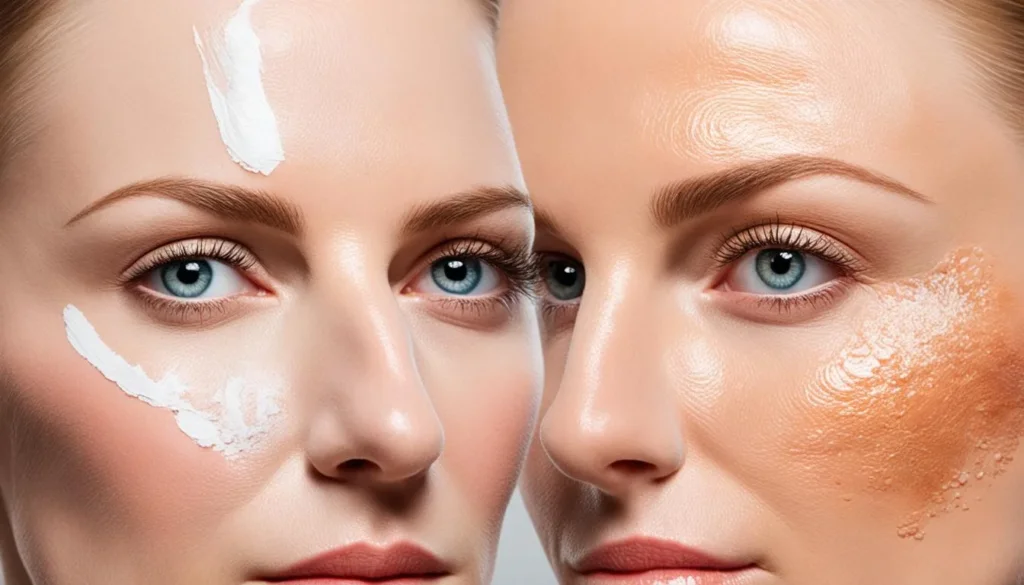
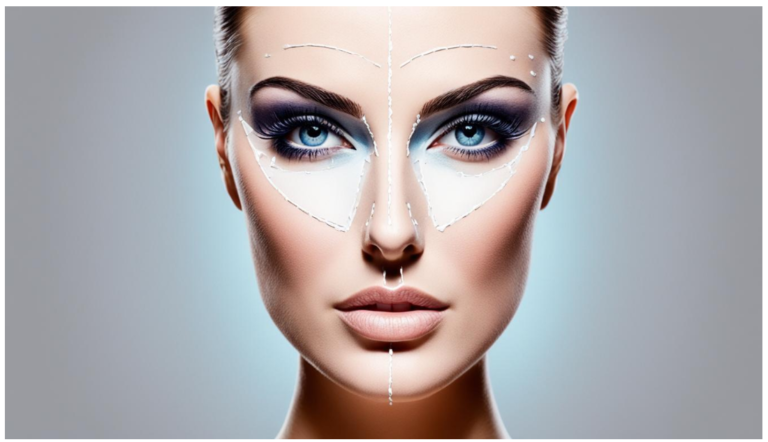
Fillers are placed at specific depths and points to build volume and shape.
How do procedure time and downtime compare?
Biorevitalization is usually quick. Fillers can take a bit longer and may cause more swelling or bruising.
Here’s a side-by-side look:
| Aspect | Biorevitalization | Fillers |
|---|---|---|
| Main Component | Hyaluronic Acid (HA) | Various Filler Materials |
| Procedure Time | 15-20 minutes | 30-45 minutes |
| Downtime | Minimal | Potential brief recovery |
| Immediate Results | Hydration and texture improvement | Instant volume and sculpting |
| Ideal for | Skin hydration and rejuvenation | Facial contouring and volume restoration |
So, is biorevitalization a filler?
No. They’re both injectables, but they have different goals.
Biorevitalization aims to improve hydration, elasticity and skin quality.
It works gradually over several sessions.
Results typically last about three to six months.
Fillers work immediately to fill wrinkles and add volume.
What are the key differences?
Biorevitalization improves skin quality over time, while fillers change volume and shape.
How often are treatments needed?
Biorevitalization usually involves a series of sessions, plus maintenance. Fillers are often repeated every several months to a year or more.
Biorevitalization side effects are usually mild, like small bumps and redness. Fillers can cause swelling and bruising and, rarely, serious problems if injected into a blood vessel.
How do you choose?
Think about what bothers you most: dull, dry skin or lost volume.
A qualified provider can assess your skin and suggest one approach or a combination.
What’s the bottom line?
Biorevitalization isn’t a filler. It’s a skin-quality treatment, while fillers add volume. Many people use both for different goals.