
Is it okay to leave a small chip alone if it doesn’t bother me?
Did you know over 30% of drivers have had a windshield chip? It might seem like a small problem, but it can be much bigger. A small chip can actually be a big safety risk for your car.
Not all chips are the same. Just like dental chips, windshield chips can be just for show or serious. A small chip on the surface might look okay, but it could mean the glass is not as safe as it seems. The outer layer might look fine, but the inner layers could be damaged without you seeing it.
Many people think if they don’t see any big problems right away, it’s okay. But that’s not true. Just like how small symptoms can mean big health issues, a small chip in your windshield might need a pro to check it out.
It’s important to understand what windshield chips mean. We’ll look at why they happen, the risks, how to fix them, and what happens if you ignore them.
Key Takeaways
- Windshield chips can vary in severity and risk.
- Surface-level damage may hide deeper structural issues.
- Minor symptoms can indicate significant problems.
- Professional evaluation is often necessary for safety.
- Informed decision-making is key for car care.
Understanding Chips: Causes and Implications
It’s important to know why chips happen in materials like car glass. Chips can come from many things, like the weather and the glass itself. We’ll look at what causes chips, which materials are most at risk, and how damage can get worse.
What Causes Chips in Wood and Paint?
Chips in car glass, wood, and paint often come from fast impacts. Things like gravel and stones from other cars can cause them. Also, sudden changes in temperature can lead to chips.
Putting things together wrong can also cause chips. If the pressure isn’t even, stress points can form. This can lead to chips over time. Modern car glass is tough, but the outer layer can break easily from impacts.
Common Materials Prone to Chipping
Some materials are more likely to chip, like in cars. Here’s a table showing which materials chip easily and why:
| Material | Chipping Characteristics | Common Applications |
|---|---|---|
| Laminated Glass | Durable, but outer layer can chip easily | Windshields |
| Tempered Glass | More resistant, but chips can propagate quickly | Side and rear windows |
| Painted Surfaces | Chips can expose underlying material, leading to further damage | Vehicle exteriors |
Potential Growth Factors for Damage
Knowing what makes damage worse is key to stopping it. The size and shape of a chip can affect if it spreads. Things like temperature changes, vibrations, and wind pressure can make chips worse.
A study found that a chipped tooth happens when a small part breaks off. This can happen from biting hard, falling, or getting hit. The same goes for car glass. Fixing chips quickly can stop more damage.
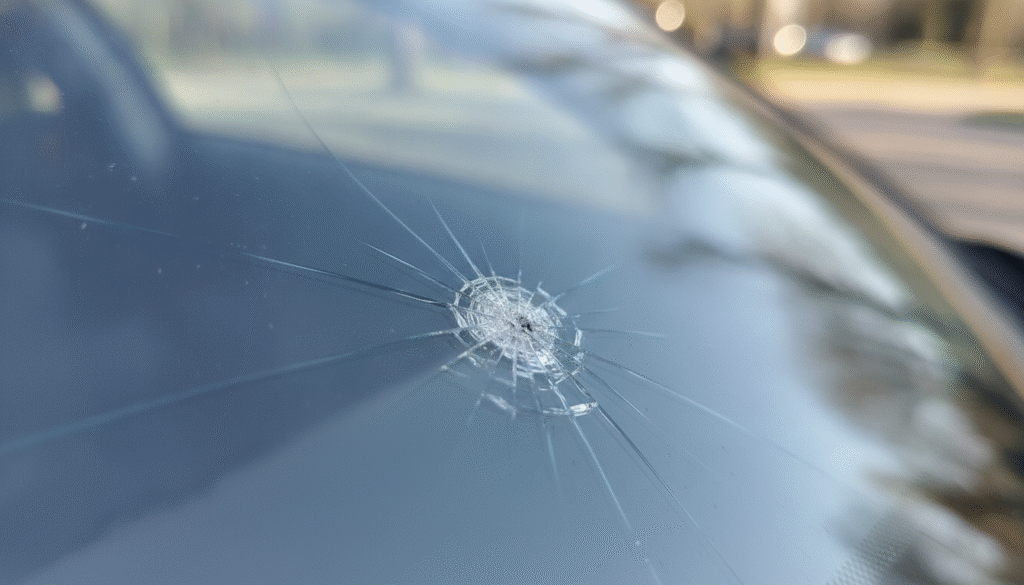
The Impact of a Small Chip on Functionality
Understanding how a small chip affects surfaces is key. The damage’s impact changes based on the chip’s size and where it is. This is very important for car windshields.
Does Size Matter in Terms of Damage?
Size does matter when it comes to chips, but not in the obvious way. A small chip, under 3mm, might look harmless. Yet, it can weaken the windshield’s structure.
A chip at the glass’s edge is more likely to spread and cause bigger cracks. On the other hand, a bigger chip in the middle might seem worse. But, if it doesn’t block your view or weaken the glass, it might be less of a problem.
Chips are rated based on their severity:
- Category I: Superficial pits with no visible cracks.
- Category II: Minor cracks extending less than 1cm.
- Category III: Significant structural damage with cracks over 2cm.
When Is a Chip Just Cosmetic?
A chip is cosmetic if it doesn’t block your view or leak. But, even cosmetic chips can be risky. They weaken the windshield’s outer layer, which is key in accidents.
Windshields are made of layers. Damage to the outer layer can harm the inner layers over time. So, even small chips can have big effects.
In short, a small chip might seem minor, but it can have big implications for safety and function. Regular checks and quick fixes can stop bigger problems later.
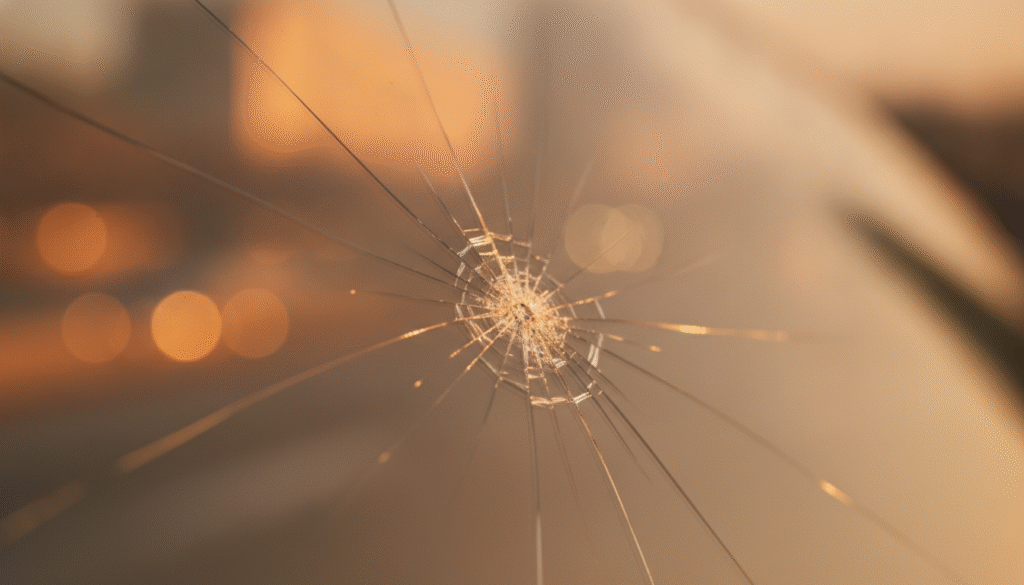
Assessing the Aesthetic Value of Chipped Surfaces
Looking at a chipped surface’s beauty is complex. A windscreen chip mixes looks and use. Some see it as part of wear, while others see it as a big flaw.
The chip’s visibility matters a lot. A small chip might be hard to see on a cloudy day. But when sunlight hits it, it can be very noticeable. This can cause glare or prismatic effects that distract the driver.
How we notice a chip also matters. Once we see it, we might keep looking at it. This can be a big distraction, even if it doesn’t block our view.
There’s also a social side to a chipped windshield. It can send messages about how well we take care of our cars. But we should remember, looks shouldn’t come before safety.
Owners might decide to live with a chip after checking it’s safe. This is called informed acceptance. It means knowing the chip is small and doesn’t harm the windshield’s strength.
| Factor | Impact on Aesthetic Value | Practical Considerations |
|---|---|---|
| Lighting Conditions | Can enhance visibility of the chip | May require adjustments to driving habits |
| Viewing Angle | Affects perceived severity of the chip | Important for safety assessments |
| Social Perception | Influences opinions of others | May affect resale value |
Risks of Ignoring a Small Chip
Ignoring a small chip in auto glass can lead to unforeseen complications. It may seem harmless at first. But, the risks of neglecting such damage can escalate rapidly.
One major concern is the potentia for expansion over time. A small chip can start a crack that grows. This growth is sped up by temperature changes, where the glass expands and contracts.
Potential for Expansion Over Time
As the chip faces daily temperature changes, stress builds up around it. Each change causes tiny cracks to grow. Over time, these small cracks add up, leading to a bigger crack that weakens the windshield.
How a Small Issue Can Lead to Larger Problems
Moisture infiltration is another big risk. Water can get in through the chip, freeze, and expand. This pressure widens the cracks and can also damage the glass’s inner layer, causing it to cloud.
Once a crack reaches a certain point, known as the critical crack length, it spreads fast and can cause the windshield to fail. This is a serious safety risk.
When to Reassess the Situation
There are times when you should check a small chip again. Look out for seasonal temperature changes, long drives, and any new impacts. Ignoring these signs can make the repair more expensive. What could have been a simple fix might need a whole new windshield.
| Risk Factor | Description | Potential Consequence |
|---|---|---|
| Crack Propagation | Growth of cracks due to thermal cycling | Windshield failure |
| Moisture Infiltration | Water entering the chip can freeze and expand | Widened cracks and delamination |
| Critical Crack Length | Threshold at which crack growth accelerates | Increased repair costs and safety risks |
When Leaving a Chip Alone Is Acceptable
In some cases, it’s okay to wait before fixing a car windshield chip. Knowing when to wait can help car owners make better choices for their vehicle’s care.
First, there are certain conditions for ignoring a chip. The chip should be a small pit or a “bullseye” without cracks. It should also be outside the driver’s main view area and at least 5cm from the glass edges.
Certain Situations Where It’s Fine to Ignore
When deciding to ignore a chip, think about these points:
- The chip is small and doesn’t block the driver’s view.
- The weather is stable, with moderate temperatures and no rain.
- The car is mostly driven in cities at slower speeds, reducing stress.
In these cases, you can watch the chip instead of fixing it right away. Take a photo of the chip with a scale and check it often for any changes.
Short-Term vs. Long-Term Outlook
It’s important to know the difference between short-term and long-term neglect. Waiting a few days for a professional check is okay. But, ignoring it for too long is not good, even for small damage.
Any chip over six months old should be checked by a pro, even if it looks fine. This way, small problems don’t turn into big ones.
DIY vs. Professional Repair: What to Consider
Choosing between DIY and professional help for a small windshield chip can be tough. Each choice has its good and bad sides. Knowing these can help you make a better decision.
Fixing a chip yourself might work if it’s small and doesn’t have cracks. It should also be far from the windshield’s edges. If you’re careful and follow the instructions well, it can save you money and time.
But, DIY repairs have their limits. Kits for home use often don’t match the quality of professional products. They might not be as clear or last as long as they should. Also, they might not fill the chip fully, which can let moisture in.
Moisture can make the damage worse over time. This is because it expands when it freezes and thaws.
Experts use better tools for fixing windshields. They have high-vacuum pumps and UV lamps. These tools make the repair better and more reliable than DIY fixes.
Some signs mean you should get a pro to fix it. Look out for cracks that spread out, damage in your line of sight, or dirt or water getting in. If a DIY fix didn’t work, you should get a pro to fix it right.
Professional repairs cost more than DIY kits. But, they work better and are worth the extra money. A bad DIY fix can cost even more to fix or even need a new windshield.
Maintenance Tips for Chipped Surfaces
Keeping chipped surfaces in good shape is key. This is very important for auto glass. Quick care can stop small problems from getting bigger. Regular checks and the right cleaning methods are essential.
Regular Inspections: What to Look For
Regular checks help spot any changes in the chip. Car owners should look at their glass at least once a week. Here are some important things to watch for:
- Use a flashlight held at an oblique angle to reveal cracks that may not be visible under direct light.
- Document the chip’s dimensions by placing a coin next to it in photographs for future reference.
- Look for signs of “haloing” or moisture rings around the chip, which indicate possible water infiltration.
Cleaning and Care Specifics
Cleaning right is key to avoid more damage. Follow these tips for good care:
- Use only pH-neutral automotive glass cleaners to avoid harsh chemical reactions.
- Apply the cleaner to a microfiber cloth instead of spraying it directly onto the glass.
- Avoid automatic car washes that use high-pressure jets and aggressive brushes, as these can make cracks worse.
Managing temperature is also important. In winter, start the defroster slowly to avoid sudden temperature changes. In summer, park in the shade or use a sunshade to keep the glass cool.
For a quick fix, you can use clear packing tape over the chip. It helps keep out moisture and debris until you can get it fixed by a pro. But remember, these tips are just for now, not a permanent fix.
| Inspection Criteria | Cleaning Protocols | Temperature Management |
|---|---|---|
| Weekly visual checks | Use pH-neutral cleaners | Gradual defroster activation |
| Document chip size | Microfiber cloth application | Shade parking in summer |
| Look for moisture rings | Avoid high-pressure washes | Use sunshades |
Emotional Attachment to Items with Chips
A small chip can bring up strong feelings tied to personal memories. This emotional bond can make us see the value of an item differently. For many, a chip on a favorite item is more than a flaw; it’s a reminder of special times, like a memorable trip or a big life event.
It’s important to know the difference between sentimental and market value. Sentimental value is personal and unique, while market value is based on trends and usefulness. When a chip tells a story, it becomes part of the item’s history. This makes it hard for owners to think about fixing it.
Sentimental Value vs. Perceived Value
Deciding whether to fix a small chip can be tough. The emotional tie can make us want to keep the chip as a memory. But, it’s key to remember that this attachment doesn’t change the physical damage. Over time, a small chip can get worse and cause bigger problems.
When a Chip Tells a Story
Some people choose to keep the chip as a memory by taking photos before fixing it. They might even keep a small part of the damaged item. This way, they can remember the memories while also fixing the item for safety and function.
On the other hand, some feel anxious about imperfections and might fix the chip too soon. It’s important to understand these feelings but also to make decisions based on safety. Fixing a small chip is not about forgetting memories; it’s about taking care of something valuable.
| Aspect | Sentimental Value | Perceived Value |
|---|---|---|
| Definition | Personal attachment to memories | Market-driven worth |
| Influence | Emotional experiences | Market trends |
| Decision Impact | May resist repair | Encourages practical action |
| Long-term Consideration | Memory preservation | Safety and functionality |
Understanding the emotional side of a small chip helps us make better choices. Finding a balance between keeping memories and practicality ensures our treasured items stay safe and useful for the future.
Budget Constraints in Repair Decisions
Deciding on small chip repairs can be tough for homeowners. It’s key to know the costs involved. This part will look at the value of fixing chips and compare it to replacing them.
Cost-Effectiveness of Repairing Chips
Fixing small chips is often cheaper than replacing the whole thing. Here are some important points:
- Professional small chip repair usually costs less.
- Not fixing a chip can lead to bigger problems and higher costs.
- Many auto insurance policies cover windshield repairs without a deductible, making it a smart choice.
Basic chip repairs are much cheaper than replacing the windshield. It’s usually smarter to fix it early.
Weighing Repair Costs Against Replacement
When deciding to repair or replace, consider:
- The age and value of your vehicle.
- The cost of new parts, which can be high for newer cars.
- Potential extra costs, like failing a safety inspection because of a chip.
For newer cars, fixing chips is much cheaper. For older cars, the choice depends on safety and value.
Choosing to repair now can save money and keep you safe. Early action is better for your wallet and your safety.
Alternative Solutions to Repairing Chips
When you see a chip, you might think of creative fixes beyond usual repairs. These methods not only make things look better but also show how much we care about our stuff. Here are some cool ideas that car lovers have tried.
Creative Ways to Cover Up a Chip
One easy way to hide a chip is with stickers or decals. They can be placed to hide the chip. This doesn’t fix the chip, but it makes it look better. But, make sure a pro says it’s just a surface chip before you use this trick.
Another cool idea is “visible mending.” It’s like fixing a tear in fabric, but for car chips. Some repair shops use special tinted resins to make chips look like part of the design. It’s a way to fix the chip and make your car stand out.
Artistic Approaches to Chipped Surfaces
The Japanese art of kintsugi is all about seeing beauty in broken things. It fixes pottery with gold, showing off the damage. This idea can make you see your car’s chips as part of its story.
These creative fixes are interesting, but safety always comes first. Any fix must not block your view or mess with your windshield wipers. It also can’t break any safety laws.
In emergencies, like being far from a repair shop, clear packing tape can be a quick fix. It keeps the chip dry until you can get it fixed properly.
In summary, while creative fixes can be nice, they shouldn’t replace a real fix. Framing a chip nicely can look good, but it’s not always safe. Always choose a professional fix for your car’s safety.
| Method | Description | Safety Considerations |
|---|---|---|
| Decorative Decals | Cover the chip with stickers or decals for aesthetic appeal. | Ensure the chip is superficial and does not affect safety. |
| Tinted Resins | Transform the chip into a decorative element. | Must maintain optical clarity and comply with regulations. |
| Kintsugi Philosophy | Highlight the chip as a unique feature of the vehicle. | Should not compromise vehicle safety or function. |
| Packing Tape | Temporary fix to protect the chip during travel. | Use only as a short-term solution until professional help is available. |
Future Resale Value Considerations
A car windshield chip can really hurt its resale value. Buyers see damage and worry about the car’s maintenance. This is called the “maintenance signaling effect,” where a small problem suggests bigger ones.
Understanding how a chip affects a car’s value is key. The table below shows how windshield damage can lower its value:
| Condition | Value Deduction | Buyer Perception |
|---|---|---|
| Minor Chip (Repaired) | $100 | Stable condition, minor concern |
| Minor Chip (Unrepaired) | $300 | Sign of neglect, raises concerns |
| Major Crack | $500+ | High risk, likely avoided by buyers |
In private sales, buyers might be more forgiving if you show the chip is minor. But dealers use strict standards. They deduct value for any glass flaw, making repairs essential.
When is the best time to fix a chip? Fixing it before you sell can save you money. A long-standing chip makes buyers wonder about other neglected maintenance.
Repairing glass doesn’t show up on car history reports. But a new windshield might. This can affect the car’s status as having “original glass,” important for collectors.
Getting a professional to fix the chip before selling is smart. The cost of repair is often paid back in the car’s higher resale value. It’s a good investment for any seller.
Preventative Measures to Avoid Chips
To avoid chips, you need a solid plan for surface care. Know what causes damage and protect your surfaces, like auto glass, well.
Tips for Protecting Your Surfaces
Keeping a safe distance from trucks and construction vehicles is key. Aim for a four-second gap instead of two. This cuts down the chance of debris hitting your windshield and causing a auto glass chip.
Also, try to avoid gravel roads. They’re more likely to have stones that can chip your windshield. In construction areas, be extra careful because of loose stones.
Choosing Durable Materials Initially
When buying a new car, look for models with vertical windshields. These are less likely to get hit by debris. Cars with thicker windshields or special layers can also resist chips better.
Putting protective films on your windshield can help too. They absorb impact energy, preventing chips. But, the film’s quality and how well it’s installed matter a lot.
Don’t forget regular checks. Make sure the windshield seal is good. A bad seal can make small hits turn into big chips.
Identifying Chips That Require Immediate Attention
Knowing when a windshield chip needs quick repair is key for safety. Some chips might seem small but can cause big problems if ignored. Spotting urgent repair signs helps avoid more damage and keeps you safe driving.
There are several warning signs to look for when checking a windshield chip. These signs show if the chip is serious and needs fast action.
Red Flags That Aren’t Always Visible
Finding red flags for windshield chips can be tricky. Here are important signs to watch:
- Radial Cracks: Any radial crack over 5mm from the chip point means it’s spreading too far.
- Proximity to Edge: Chips near the windshield edge are more at risk because of stress.
- Visible Distortion: If a chip looks distorted at an angle, it might mean the glass layers are separating.
Understanding the Risks of Further Damage
There are also environmental and sensory signs that need quick attention:
- Moisture Infiltration: A chip that looks dark or cloudy and changes with humidity might have water inside.
- Star Patterns: A “star” chip with more than three arms means it was hit hard and damaged deep inside.
- Whistling Sounds: Hearing a whistling sound at high speeds means the chip has gone through the glass.
Also, any chip from a crash needs to be checked right away. Even small crashes can warp the car’s frame, putting extra stress on the glass.
In short, seeing any red flag means you should get a pro to check it out. If you see many red flags, it might be safer to replace the windshield than fix it.
| Indicator Type | Specific Signs | Action Required |
|---|---|---|
| Structural | Radial cracks over 5mm | Immediate evaluation |
| Environmental | Moisture infiltration visible | Professional assessment |
| Sensory | Whistling sound at speed | Urgent inspection |
Long-Term Effects of Neglecting Small Chips
A small chip might seem harmless, but ignoring it can cause big problems. Auto glass chips can lead to moisture getting in, causing serious damage. This can weaken the glass and its layers.
At first, a chip only affects the outer glass layer. But over time, moisture can get in. This starts a chemical breakdown that weakens the glass’s bond with its layers.
How Neglect Can Escalate Issues
The “ice lens” phenomenon shows how neglect can make a small chip worse. Water gets into the layers and freezes in cold weather. Freezing and thawing cycles can break the layers apart, leading to bigger problems.
Case Studies of Surface Damage
Many examples show what happens when small chips are ignored:
- Commuter Vehicle in a Northern Climate: A 2mm chip was ignored through one winter season, resulting in complete interlayer failure that required windshield replacement.
- Fleet Vehicle in the Desert Southwest: UV radiation accelerated interlayer yellowing and embrittlement, affecting an area much larger than the original chip.
- Coastal Environment Vehicle: Salt-laden moisture infiltrated a chip, leading to corrosion of the windshield mounting frame, discovered only during replacement.
In each case, the repair costs were much higher than expected. It’s important to fix small chips quickly. The windshield is key to the car’s safety, and ignoring damage can cause bigger problems.
The Psychological Aspect of Having ‘Imperfections’
How we see minor damages, like a chip in glass, shows a lot about our mindset. Understanding our feelings about these small flaws can tell us a lot about our values and actions. For many, a windshield chip might seem small, but it can stir up a lot of thoughts and feelings.
Accepting flaws in everyday things is more than just about looks. It shows our deeper psychological thoughts. Studies show that people have different levels of tolerance for imperfections. This can be linked to traits like perfectionism, being careful, and being sensitive to anxiety. Some might feel really upset by a small chip, while others won’t mind it at all.
Accepting Flaws in Everyday Items
Culture also plays a big part in how we see and deal with imperfections. In Japan, the idea of wabi-sabi values the beauty of imperfection and change. It teaches us to see the unique story of each item, even if it’s flawed. The art of kintsugi, fixing broken pottery with gold, sees damage as a way to make something even more beautiful.
But in the US, we often prefer to replace things instead of fixing them. Yet, there’s a growing movement towards fixing things instead of throwing them away. This change shows we’re starting to value keeping things longer and being more sustainable.
Cultural Perspectives on Repair and Replacement
Another important thing to think about is cognitive dissonance. People who set high standards in other areas might struggle with a windshield chip. This can make them rationalize, telling themselves the chip isn’t a big deal. The idea of “decision fatigue” also comes up; dealing with every little flaw can feel too much, leading to putting off repairs.
Instead of wondering if a chip is okay, it’s better to ask if we’re consciously choosing not to fix it. Checking in on this decision can help us make sure we’re not just avoiding the problem. By understanding our feelings about flaws, we can have a better relationship with our stuff.
Conclusion: Making an Informed Decision on Chips
When you think about leaving a small chip alone, it’s important to think it through. A small chip might seem like no big deal, but it could lead to bigger problems. Knowing the chip’s size and where it is helps figure out if it’s just for show or if it could get worse.
What you own and how much it costs can also affect your decision. Things like your budget, insurance, and how old your vehicle is matter. Plus, how much you care about keeping things perfect is important too. Taking all these things into account helps you make a better choice.
Leaving a chip alone might seem like a good idea if it’s just a tiny thing. And if a pro says it’s okay, that’s reassuring. But, if you’re worried about safety or if it might hurt your car’s value, fixing it right away might be better. Even if you can’t see any other problems, getting a pro to check it out is a smart move.
In the end, your decision should match what you value and your situation. With the information from this article, you can make a choice about dealing with surface damage confidently.
