Why Did My Tooth Break From Chewing Something Soft?
Nearly 30% of dental emergencies come from simple actions, like eating soft bread. This shows a surprising truth: even gentle foods can cause a tooth to break if it’s already weak. When a tooth breaks, it usually means there’s a hidden problem.
Materials science teaches us about fatigue. Repeated stress, like chewing, can cause tiny cracks in teeth. These cracks grow over time, making teeth more likely to break during everyday tasks. Biting into soft food can expose hidden decay or damage.
If a tooth breaks during a simple action, it’s a sign you need to see a dentist right away. Knowing how tooth fractures happen helps us take better care of our teeth.
Key Takeaways
- Soft foods can trigger fractures in already weakened teeth.
- Structural weaknesses often develop unnoticed over time.
- Repeated stress from chewing contributes to microdamage.
- Professional evaluation is essential after a tooth fracture.
- Understanding tooth mechanics helps in proactive dental care.
Understanding Tooth Structure and Strength
The human tooth is a remarkable structure, made of three main layers. These layers work together to keep the tooth strong and functional. Knowing about these layers can help us understand why a tooth might break, even from soft foods.
Enamel: The Tooth’s Protective Layer
Enamel is the outermost layer of the tooth and is the hardest substance in the human body. It’s made mainly of mineralized hydroxyapatite crystals, protecting the tooth from damage. But, enamel is also brittle. Once it’s damaged, it can’t grow back.
This means that weak tooth enamel can cause big problems. It makes the tooth more likely to break.
Dentin: The Inner Structure of Teeth
Underneath the enamel is dentin, a softer yet strong layer. It’s key to the tooth’s strength. Dentin is porous and has tiny tubules that carry sensations, like temperature changes.
If enamel wears thin, dentin gets exposed. This makes the tooth more likely to decay and break, even from soft foods.
Pulp: The Nerve and Blood Supply
The pulp is the innermost layer of the tooth, containing nerves and blood vessels. It’s vital for keeping the tooth alive. If the pulp gets exposed, it can cause severe pain and infection.
Understanding the pulp’s role shows why we must protect the outer layers. This keeps the inner structure safe.
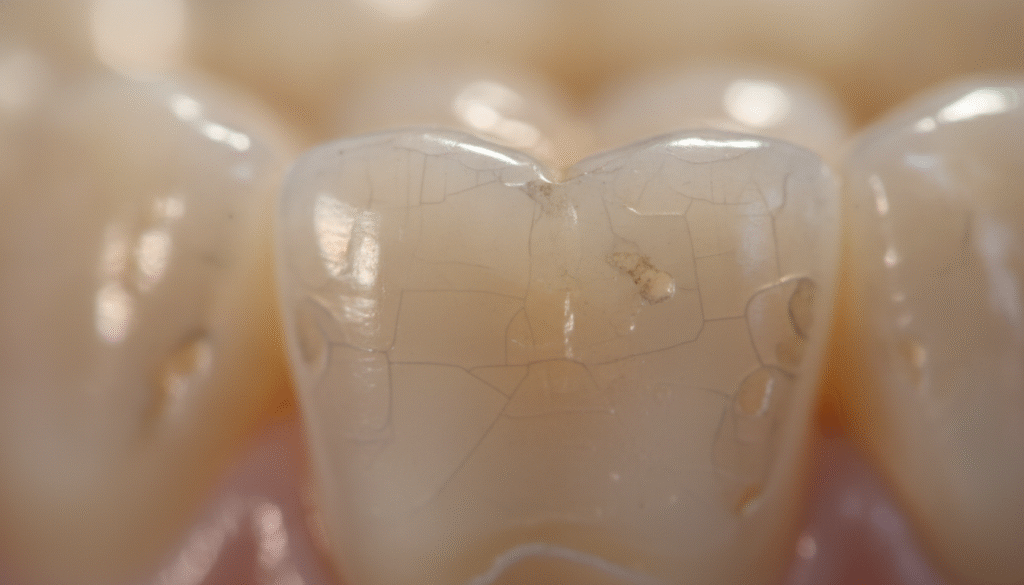
In summary, teeth are designed with enamel, dentin, and pulp working together. Enamel protects the tooth, dentin supports it, and pulp nourishes it. Losing enamel weakens the tooth, making it more prone to breaking, even from soft foods.
This knowledge is key for anyone wanting to prevent tooth fractures. It helps us understand the importance of tooth health.
Common Reasons for Tooth Fractures
It’s important to know why teeth break. Many things can cause a tooth to fracture. We’ll look at accidents, bad dental habits, and existing dental problems.
Accidents and Trauma
Physical impacts often lead to tooth fractures. Accidents can happen in many ways, like:
- Sports injuries
- Falls
- Biting down on hard objects
These accidents can damage teeth right away or cause problems later. For example, a small crack from an accident might not show up at first. But, it can get bigger and cause more harm over time.
Poor Dental Health Practices
Bad oral hygiene also leads to tooth fractures. Poor habits include:
- Not going to the dentist often
- Not brushing and flossing well
- Using teeth to open things
These habits weaken teeth, making them more likely to break. Going to the dentist regularly helps catch problems early.
Pre-existing Dental Conditions
Some people are more likely to get tooth fractures because of dental problems. Issues like:
- Big fillings
- Untreated cavities
- Enamel hypoplasia
These problems make teeth more vulnerable. A weak tooth might break during simple tasks. It shows why fixing dental issues early is so important.
Knowing why teeth fracture helps us take better care of them. Keeping good oral hygiene and visiting the dentist regularly are key to strong teeth.
The Role of Diet in Tooth Health
What we eat can either strengthen or weaken our teeth. It’s important to know how different foods affect our dental health. This knowledge helps prevent tooth damage. We’ll look at how soft, acidic foods, and a balanced diet impact tooth strength and risk of fractures.
Soft Foods That Can Cause Damage
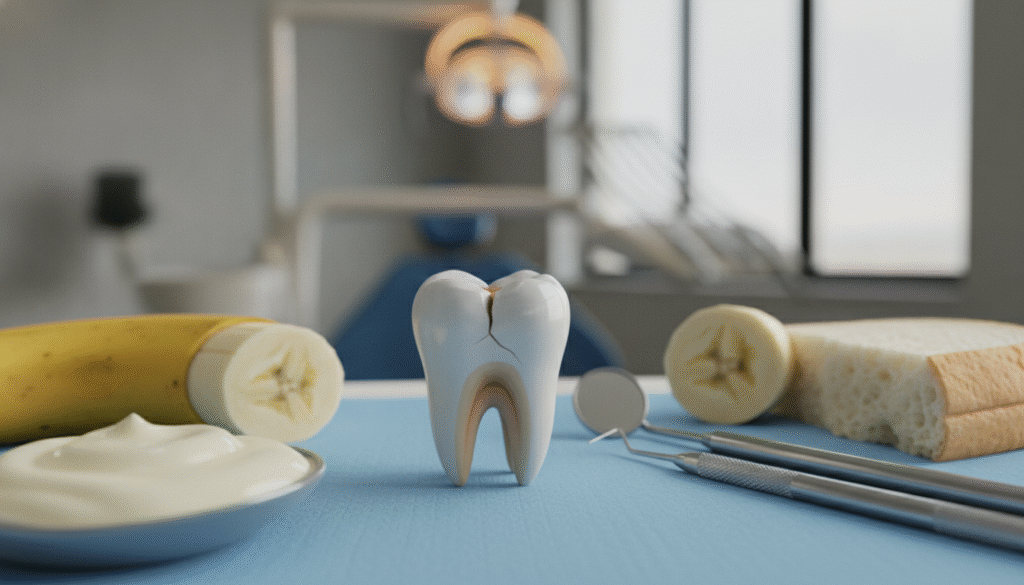
Many think only hard foods can harm teeth. But soft and sticky foods can also be risky. For example, soft bread can stick to dental work, causing problems.
This issue, called preliminary failure, makes teeth more susceptible to damage. It happens with little force.
Acidic Foods and Their Effects
Acidic foods and drinks, like citrus fruits and sodas, can wear away enamel. Enamel protects our teeth, and losing it exposes dentin. This increases the chance of tooth sensitivity and fractures.
Regularly eating these foods can cause a lot of enamel loss.
Importance of a Balanced Diet
Eating a balanced diet with calcium, phosphate, and vitamins D and K is key for tooth health. These nutrients help strengthen enamel. Foods like dairy, leafy greens, and nuts are good for your teeth.
To improve your oral care, try these tips:
- Rinse your mouth with water after acidic foods.
- Avoid constant snacking to reduce exposure to harmful substances.
- Eat a variety of foods to support dental health.
| Food Type | Impact on Teeth | Recommendations |
|---|---|---|
| Soft Foods | Can cause microleakage around restorations | Limit sticky foods; ensure dental work is secure |
| Acidic Foods | Erodes enamel, leading to sensitivity | Rinse after eating; consume in moderation |
| Calcium-rich Foods | Strengthens enamel and remineralizes teeth | Include dairy, leafy greens, and nuts |
Signs of a Broken Tooth
Knowing the signs of a broken tooth can help avoid bigger problems. Spotting these signs early is key to keeping your teeth healthy and preventing worse issues.
Physical signs of a broken tooth can be different for everyone. Here are some common ones:
- Sharp Pain: A sudden, sharp pain when biting down can mean a tooth is fractured.
- Sensitivity: Feeling more pain when eating hot or cold foods might show damage.
- Rough Edges: A tooth with jagged edges felt with your tongue could be broken.
- Soft Sensation: If a tooth feels soft or mushy, it could be due to decay or a loose filling.
It’s important to tell the difference between occasional pain and constant pain. Dental experts say that
“A tooth that feels soft or mushy when you bite down is not normal… Common causes include advanced decay, a loose filling or crown, a cracked tooth, an infection, or gum disease.”
See a dentist right away if you notice any of these serious signs:
- Swelling in your jaw, cheek, or neck
- A fever
- Difficulty swallowing or opening your mouth
- Visible pus or a bad taste that appeared suddenly
- Severe, constant throbbing pain
Getting these symptoms checked out quickly can greatly improve treatment results. It can turn a possible tooth loss into a manageable dental problem.
| Symptom | Possible Cause | Action Required |
|---|---|---|
| Sharp Pain | Fractured Tooth | Consult a dentist immediately |
| Sensitivity | Cracked Tooth or Decay | Schedule a dental appointment |
| Soft Sensation | Advanced Decay | Seek same-day care |
| Swelling | Infection | Emergency dental care |
The Impact of Teeth Grinding
Teeth grinding, or bruxism, is a serious issue that can harm your teeth. It often happens when you’re asleep. The pressure from grinding can cause tiny cracks in your enamel, leading to bigger problems if not treated.
Bruxism is more than just a minor annoyance. It can cause:
- Enamel wear: The constant rubbing wears down the protective layer of your teeth.
- Microfractures: Small cracks start that can get worse with more grinding.
- Severe fractures: These can eventually lead to a major tooth failure.
How Bruxism Can Lead to Damage
The forces from bruxism can be stronger than chewing. This stress can start cracks that grow with each grinding episode. It’s like the tooth is under constant stress, leading to damage.
Symptoms and Solutions for Bruxism
Signs of bruxism include:
- Jaw soreness
- Morning headaches
- Tooth sensitivity
- Audible grinding noises reported by sleep partners
It’s important to tackle bruxism to avoid sudden tooth breakage. There are several ways to address it:
- Stress reduction techniques: Activities like yoga or meditation can help reduce grinding.
- Jaw exercises: These can make your jaw muscles stronger and reduce clenching.
- Custom night guards: These devices help spread out the forces on your teeth, protecting them while you sleep.
Dental Health Issues That Contribute to Fractures
It’s important to know about dental health issues to keep teeth strong. Cavities and gum disease are two big problems. They make teeth weak and more likely to break.
Cavities and Tooth Decay
Cavities happen when acid from bacteria eats away at teeth. This acid comes from sugars. It makes the enamel weak, leading to cavities.
As cavities grow, they hollow out the tooth. This makes the tooth weak and more likely to break. A tooth with a big cavity or filling is at high risk of fracture.
Gum Disease and Tooth Stability
Gum disease, like periodontitis, is a big threat to teeth. It destroys the bone and tissue that hold teeth in place. This makes teeth feel loose and increases the chance of them breaking.
Even if a tooth looks fine, gum disease can make it unstable. This is because the foundation of the tooth is damaged.
To show how these dental problems lead to tooth fractures, here’s a table:
| Dental Issue | Impact on Tooth Strength | Prevention Strategies |
|---|---|---|
| Cavities | Weakens enamel, increases fracture risk | Regular dental check-ups, good oral hygiene |
| Gum Disease | Destroys supporting structures, leads to tooth mobility | Daily brushing and flossing, routine dental cleanings |
| Combined Effects | Increased vulnerability to fractures | Integrated management of caries and periodontal health |
In summary, cavities and gum disease are key to understanding tooth fractures. Taking care of these issues early can help prevent breakage. Regular dental visits and good oral hygiene are key to keeping teeth strong.
The Aging Factor in Tooth Breakage
As we get older, our teeth can become weaker. Chewing, clenching, and grinding wear down the enamel. This makes our teeth thinner and more likely to break.
The dentin inside our teeth also changes with age. It becomes harder but also more brittle. The pulp chamber shrinks, making it harder for our teeth to heal from injuries.
Many older people have old fillings that can fail. These failures can lead to more tooth damage. Dry mouth, caused by many medications, also harms our teeth by reducing saliva’s protective effects.
How Age Affects Tooth Strength
- Enamel Thinning: Years of use lead to a decrease in enamel thickness.
- Dentin Changes: Sclerosis of dentin increases brittleness.
- Pulp Chamber Shrinkage: Reduced pulp size limits injury response.
- Restoration Degradation: Older restorations may fail or decay.
- Xerostomia: Dry mouth affects saliva’s protective functions.
Tips for Older Adults on Dental Care
Older adults can take steps to protect their teeth:
- Use Fluoride Rinses: These can help strengthen enamel and prevent decay.
- Maintain Hydration: Drinking plenty of water combats dry mouth.
- Schedule Regular Dental Check-Ups: Frequent visits allow for early detection of issues.
- Consider Night Guards: If bruxism is present, night guards can protect teeth from grinding.
By following these tips, older adults can keep their teeth healthy longer. This reduces the risk of tooth damage due to aging.
The Role of Dental Work in Tooth Integrity
Dental restorations like crowns and fillings are key to keeping teeth strong and working well. While they protect teeth, they can also cause problems over time. It’s important to know how they handle stress to keep our mouths healthy.
Crowns and fillings are made to handle chewing forces, but they’re not perfect. The materials can break down, causing issues. For example, the cement that holds a crown in place can weaken, leading to leaks. These leaks can cause big problems, like cavities or even the crown falling out.
Big fillings, like amalgam, can also put pressure on the tooth. This pressure can cause cracks, weakening the tooth. It’s also important to know that a restoration might look fine but actually have a hidden leak. This leak can let bacteria in without us noticing.
Going to the dentist regularly is key to catching problems early. Dentists use X-rays and exams to find issues before they get worse. Choosing the right materials and adhesives can help dental work last longer, keeping our teeth healthy.
Preventive Measures to Avoid Tooth Damage
Preventive dental care is key to keeping your teeth safe from harm. By using the right strategies, you can lower the chance of tooth fractures and other dental problems. This part will cover important steps to keep your teeth strong and healthy.
Regular Dental Check-Ups
Going to the dentist regularly is vital for catching problems early. It’s best to see your dentist at least twice a year. At these visits, dentists can:
- Look for cavities and other issues with their eyes and X-rays.
- Do professional cleanings to get rid of plaque and tartar.
- Apply fluoride varnish to make your teeth stronger.
Proper Oral Hygiene Practices
Good oral hygiene at home is just as important. Here are some oral care tips to keep in mind:
- Brush your teeth twice a day with a soft toothbrush and fluoride toothpaste.
- Floss every day to clean between your teeth where a toothbrush can’t.
- Think about using an antimicrobial mouthwash to kill bacteria in your mouth.
Also, don’t use your teeth as tools, and avoid chewing ice or hard candies. These habits can cause tooth fractures. If you grind your teeth, talk to your dentist about a custom night guard to protect your teeth while you sleep.
Treatment Options for a Broken Tooth
When a tooth breaks, it’s alarming. But knowing the right steps can help a lot. Immediate care and long-term solutions are key to managing a broken tooth.
Immediate Care Steps
If a piece of your tooth breaks off, don’t ignore it. Here are the immediate care steps:
- Rinse your mouth gently with warm water to clean the area.
- If there is bleeding, apply light pressure with gauze to control it.
- Try to save the broken piece if possible; placing it in milk or saline can help preserve it.
- Avoid chewing on the affected side until you see a dentist.
It’s important to contact a dental provider quickly. Waiting too long can cause more damage or infection, making treatment harder.
Long-term Solutions: Crowns and Repairs
Long-term treatment depends on how bad the break is:
- Minor Chips: These can often be smoothed or repaired using composite bonding, which is typically completed in a single visit.
- Larger Breaks: If significant tooth structure is involved, a crown may be necessary to encircle and protect the remaining tooth.
- Root Canal Treatment: If the pulp is exposed or infected, a root canal may be performed before restoration.
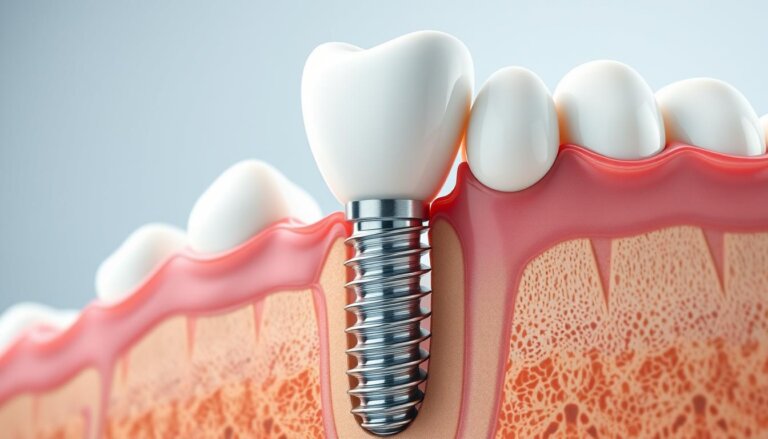
- Extraction and Replacement: In cases where the tooth is non-restorable, extraction followed by implant placement or bridgework may be discussed.
Modern restorative techniques can save many teeth that would have been lost before. For more information on tooth extraction, you can visit this link.
| Treatment Type | Indication | Duration |
|---|---|---|
| Composite Bonding | Minor chips | 1 visit |
| Crown | Larger fractures | 2-3 visits |
| Root Canal | Infected pulp | 1-2 visits |
| Extraction | Non-restorable teeth | 1 visit |
The Importance of Dental Insurance
Dental insurance is key in managing tooth fracture costs. A broken tooth can lead to high expenses. Many plans cover major tooth repairs like crowns and root canals at 50% after deductibles. But, coverage varies by policy.
It’s vital to understand your dental insurance. Some plans have waiting periods or exclude pre-existing conditions. So, it’s important to review your plan to ensure it covers your dental needs. Here are some key points to consider when picking a plan:
Coverage for Fractured Teeth
- Annual Maximums: Check the maximum your plan covers for dental services in a year.
- Coverage Percentages: Look for plans with good percentages for major procedures.
- Network Restrictions: Make sure your preferred dentists are in-network to save money.
- Implant Coverage: If you might need implants, check if your plan covers them.
How to Choose the Right Plan
Choosing the right dental insurance plan is important. If you don’t have traditional insurance, think about discount plans or health savings accounts (HSAs). These can help with dental costs.
In summary, being financially ready is part of good oral care planning. The right dental insurance plan helps you get timely treatment for tooth fractures without big expenses. This way, you can keep your teeth healthy and feel secure when dental problems pop up.
Lifestyle Changes to Enhance Dental Health
To improve dental health, making lifestyle changes is key. These changes help keep teeth strong and support good oral hygiene. Quitting smoking and drinking enough water are two of the most important steps.
Quit Smoking and Its Benefits
Smoking harms dental health a lot. It can cause gum disease, slow healing after dental work, and even oral cancers. Stopping smoking can greatly improve gum health by increasing blood flow.
Also, not smoking can lower the risk of losing teeth. It makes dental work more successful, leading to better results for patients.
Hydration and Its Impact on Oral Care
Drinking enough water is essential for good oral health. Water helps keep saliva flowing, which is key in fighting mouth bacteria. Saliva also helps strengthen tooth enamel, preventing decay and cracks.
On the other hand, dry mouth can weaken enamel and increase cavity risk. Drinking enough water can help avoid these problems.
Also, drinking less alcohol and managing health issues like diabetes can help your teeth. These changes help you take care of your dental health, leading to stronger teeth and a brighter smile.
Myths About Tooth Breakage
Many people think a tooth breaking while eating soft food means the dentist made a mistake. But often, it’s because the tooth was already damaged. Issues like microleakage or cracks can quietly weaken a tooth over time.
Soft foods can be the last straw that breaks a weakened tooth. It’s important to know that these breaks usually come after a tooth has been damaged for a while.
Common Misconceptions Explained
Some think a tooth without pain is healthy. But, painless cracks can be a sign of trouble. Also, many believe baby teeth don’t matter for future teeth health. But, the health of primary teeth can affect permanent teeth.
Some think dental work lasts forever. But, even with modern materials, dental work can wear out. Regular dental visits are key to keeping your teeth in good shape.
The Truth Behind Soft Foods
Soft foods get blamed for tooth breaks, but they’re not always the cause. If a tooth is already weak, even soft foods can cause damage. For example, eating soft bread can lead to a broken crown.
Understanding these myths helps us take better care of our teeth. Instead of blaming food or dentists, we should focus on our own dental health and get the right care.
Frequently Asked Questions About Broken Teeth
Understanding tooth fractures can be complex. Many people wonder how to tell if it’s just a minor chip or a serious fracture. A chipped tooth might have sharp edges or feel sensitive. If it’s only chipped at the enamel level, it might not hurt at all.
But, deeper fractures can cause pain, even when you bite or when you’re exposed to temperature changes. It’s important to know that some fractures might not show symptoms right away. A tooth could look fine but have serious dental health issues underneath.
Another common question is whether a broken tooth is always painful. The answer is no. Tooth fractures, like cracks or loose fillings, can start without pain. This doesn’t mean there’s no serious problem.
Some fractures might reach the pulp or cause an infection without pain. It’s always best to get a dental check-up to figure out the situation.
Keeping your teeth healthy is key. Regular dental visits can catch problems early and prevent bigger issues later. If you think your teeth are damaged, get professional help. A healthy smile is important for your overall health.