Is microneedling with exosomes worth it
Exosomes and Microneedling: Is It Worth the Hype?
Is microneedling with exosomes worth it? It can be if you want a bit of extra glow and possibly faster healing, but the research is still early and no exosome product is FDA-approved for skin.
Exosomes are tiny particles that cells use to send signals. Clinics apply exosome serums during microneedling in the hope of improving texture and speeding recovery.

What Is Microneedling?
Microneedling uses fine needles to make tiny punctures in the skin, which triggers healing and new collagen and elastin.
Overview of the Procedure
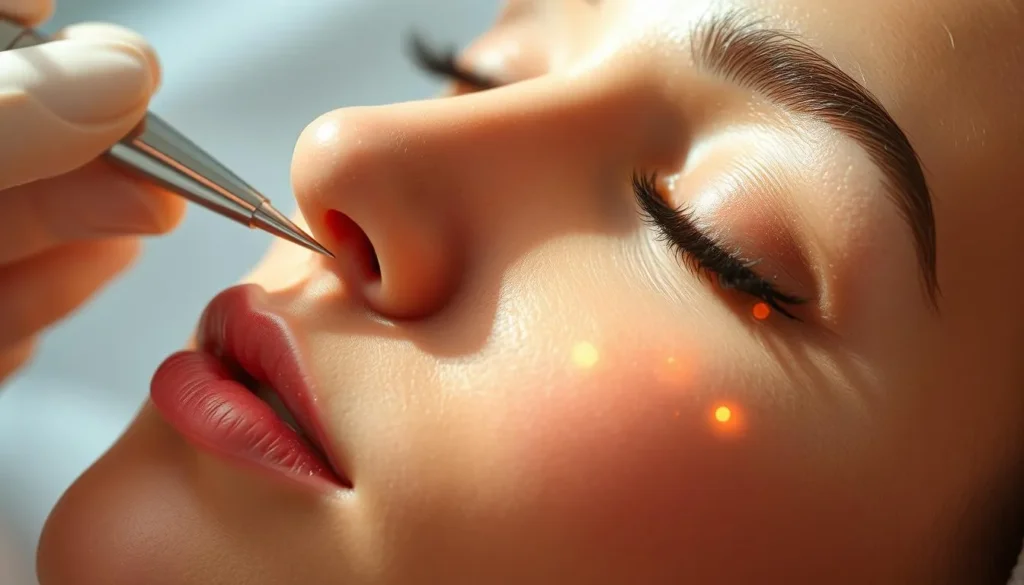
After numbing cream, the provider passes a pen-like device over the skin to create controlled micro-injuries.
Benefits of Microneedling
It can smooth texture, even out tone and soften acne scars and stretch marks.
Common Uses
People use it for fine lines, enlarged pores, acne scars, stretch marks, uneven texture and some sun damage.
What Are Exosomes?
Exosomes are microscopic sacs released by cells. They carry proteins, lipids and RNA, and they help cells communicate.
Role in Cell Communication
By passing their contents to other cells, exosomes are thought to influence repair and inflammation.
Exosomes in Regenerative Medicine
Researchers are studying them for wound healing and inflammation. In skincare, products come from different sources, and quality varies widely.
| Property | Exosome Therapy Benefits |
|---|---|
| Anti-Inflammatory | Reduces skin inflammation and redness |
| Regenerative | Improves skin healing and rejuvenation |
| Anti-Aging | Proposed to support collagen; evidence still early |
How Does Microneedling Work?
Mechanism of Action
The micro-injuries kick-start the skin’s repair process, which builds collagen over the following weeks.
The channels also let serums, including exosome products, reach deeper than they would on intact skin.
Types of Microneedling Devices
Home rollers are less precise. Professional pens let the provider adjust needle depth, and RF microneedling adds heat for extra tightening.
What results can you expect?
With a series of sessions, many people see smoother texture, softer fine lines and less visible scarring.
Does adding exosomes make a real difference? That’s the part nobody has nailed down yet.
| Treatment | Main Benefit | Typical Outcome |
|---|---|---|
| Microneedling Alone | Boosts collagen production | Improved skin texture |
| Microneedling with Exosomes | Enhanced healing and rejuvenation | Possibly faster recovery; evidence still early |
What’s the Evidence?
Thin, for now. The studies so far are small.
The theory
Exosomes may tamp down inflammation and nudge skin cells to repair themselves, which in theory means quicker healing and more collagen.
What small studies found
A few small trials reported less redness and a faster bounce-back after microneedling or laser treatments. Bigger, independent studies haven’t been done yet.
Is it safe?
No exosome product has FDA approval, and the agency has issued warnings about unapproved ones. Ask your provider what product they use and where it’s made.
Possible Benefits of Adding Exosomes
Enhanced Healing and Recovery
The main reported benefit is shorter redness and quicker recovery.
Improved Skin Texture and Tone
Some people notice smoother, brighter skin, though it’s hard to separate the effect of exosomes from microneedling itself.
How long do results last?
You’ll keep building collagen for weeks after each session. A series usually holds for months, and touch-ups extend it.
What Are the Risks?
From the microneedling
Most people are red, a little swollen and tender for a few days. Deeper passes can cause pinpoint bleeding or a bruise.
From the exosomes
Exosome serums are biological, and they’re going onto broken skin. That raises the chance of irritation, an allergic reaction or infection, particularly with poorly made products.
Lowering the risk
Go to someone experienced who works sterile and can tell you exactly what’s in the serum. Afterward, keep your skin clean and out of the sun.
Typical side effects and how to handle them:
| Side Effect | Microneedling | Exosome Treatment | Management Strategy |
|---|---|---|---|
| Redness | Common | Occasional | Use soothing creams, avoid sun exposure |
| Swelling | Common | Possible | Apply ice packs, avoid intense activities |
| Irritation | Rare | Possible | Use anti-inflammatory creams |
| Allergic Reactions | Rare | Possible | Consult with a dermatologist for proper interventions |
Who Is a Good Candidate?
Skin Types and Conditions Suitability
It’s often used for aging skin, acne scars and uneven tone in a wide range of skin types.
Contraindications for Treatment
Skip it if you have an active skin infection, an eczema or psoriasis flare in the area, or are pregnant. People with certain health conditions should check with a doctor first.
Your consultation
Your provider looks at your skin, asks about your health and tells you plainly what to expect.
What Happens During the Procedure?
Before your appointment
Avoid getting sunburned, and pause retinoids or exfoliating acids a few days ahead if your provider asks.
On the day
Your skin is cleaned and numbed, then the device goes over it.
The exosome serum goes on during treatment or right after.
Afterward
For several days, stay out of the sun and skip strong products. Gentle cleanser and moisturizer are all you need.
Expect redness and swelling that fade within a few days.
Exosomes or No Exosomes?
Key Differences in Outcomes
Microneedling by itself does the heavy lifting on collagen, texture and scars. Exosomes might speed up healing, but there’s little proof they improve the final result.
Price difference
A standard session runs $200 to $700, and exosomes usually add $100 to $300 on top.
Is Microneedling with Exosomes Worth It?
For some people. The extra $100 to $300 buys a possibly faster recovery, not a proven better result.
What dermatologists say
Plenty of dermatologists find exosomes interesting, but most say it’s too early to make big claims.
Their advice: pick a reputable product and an experienced provider.
FAQ
What are the benefits of exosome facial rejuvenation?
Possibly smoother texture and faster healing. The evidence is still early.
How does microneedling with exosomes work?
Microneedling creates tiny channels in the skin, and an exosome serum is applied so it can reach deeper layers.
What are the potential results of microneedling with exosomes?
Smoother skin, softer scars and more even tone, much like microneedling alone, with possibly quicker recovery.
Are there any risks involved with exosome treatment?
Irritation, allergic reactions or infection are possible, and product quality varies because none are FDA-approved.
Who is an ideal candidate for microneedling with exosomes?
People with aging skin, scars or uneven texture who don’t have active skin infections or flares.
How should one prepare for a microneedling with exosomes procedure?
Avoid sunburn and pause retinoids or exfoliants for a few days, as your provider advises.
What is the recovery process like after microneedling with exosomes?
A few days of redness and swelling. Be gentle with your skin and wear sunscreen.
What are the cost considerations for microneedling with exosomes?
Roughly $200 to $700 a session, plus about $100 to $300 for the exosomes.
What are the key differences between microneedling with and without exosomes?
They might help you heal a little faster. Whether they improve the end result isn’t clear.
Is microneedling with exosomes worth it?
Depends on your goals and budget. Microneedling is the main event, and exosomes are an add-on with early evidence.