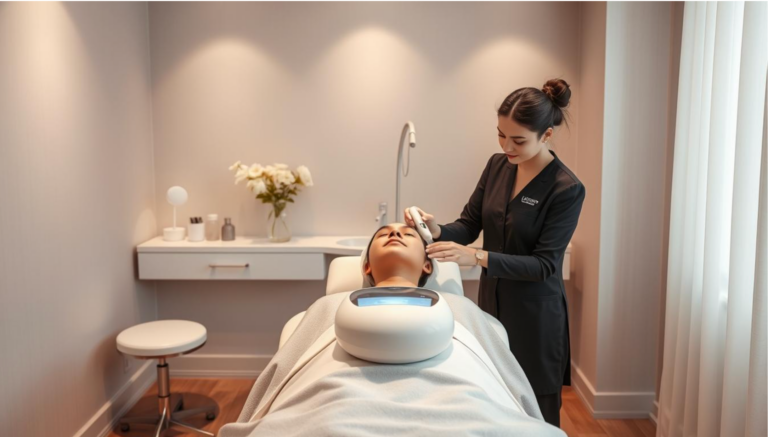
Ultherapy How Many Sessions: Ultimate Treatment Guide
Ultherapy How Many Sessions: Ultimate Treatment Guide
How many sessions of Ultherapy will you need? For most people, just one. The ultrasound energy is very good at kick-starting collagen, which is a big reason Ultherapy is such a popular non-invasive alternative to a facelift.
Approved by the FDA and Health Canada, Ultherapy uses ultrasound to lift and tighten the skin. It works on the face, neck, and chin. Its lasting results make it a popular choice.
For those thinking about Ultherapy, knowing how often you’ll need sessions is key.
The short version
Most patients get the result they want from a single Ultherapy session, though some come back for another one a year or more later. Results can last several years, and a maintenance treatment every two to three years is usually recommended. The best candidates have mild to moderate skin laxity and are ideally under 65. The new collagen builds gradually, and the improvement is mostly complete around three months. Cost depends on the area treated, from about $750 to $4,750.
What is Ultherapy?
Ultherapy is a non-surgical treatment that uses ultrasound to lift and tighten skin. It’s approved by the FDA and works by stimulating collagen production. This makes the skin look younger and more rejuvenated.
The focused ultrasound waves reach the deep layers of skin and stimulate collagen there, without damaging the surface.
Is it really like a facelift?
In a way. It targets the same deep layers a surgeon would lift, just without any cutting. The ultrasound energy boosts collagen and elastin, and that’s what keeps skin firm and springy.
Benefits of Ultherapy
The benefits of Ultherapy are many. It’s a non-surgical treatment with little to no downtime. Patients can go back to their daily activities right away. Up to 95% of patients are satisfied with their results a year later.
It’s also versatile, treating areas like the brow, neck and décolletage. Results can last several years, and some improvement shows within days. People also notice a sharper jawline and better facial contours, firmer skin with fewer wrinkles, and, not surprisingly, a confidence boost.
| Key Statistics | Data |
|---|---|
| Patient Satisfaction Rate | 95% after one year |
| Effective Duration | Up to several years |
| Session Duration | 30 to 90 minutes |
| Recovery Time | Minimal to none |
Put simply, it’s a safe, effective way to improve your skin without surgery. Once you know how it works and what it can do, it’s easier to tell whether it’s right for you.
Factors Influencing Treatment Frequency
Understanding what affects how often you need ultherapy can help you plan better. Several factors play a role in how often you might need a session.
Age and Skin Condition
The age skin condition ultherapy targets is key. Younger people with mild skin issues might need fewer sessions. But, older folks or those with severe skin problems might need more.
Ultherapy can treat at different depths, from 1.5mm to 4.5mm. This lets doctors tailor treatments to each patient’s needs. Ultherapy PRIME®’s real-time view helps make these treatments more precise and effective.
Desired Results
What you want to achieve also affects how often you’ll need ultherapy. If you want small changes, you might not need as many sessions. But, if you want big changes, you might need more.
Ultherapy can boost collagen and give results in 2-3 months. It can keep working for up to two years. This means you can plan your sessions based on what you want to achieve.
Individual Response to Treatment
Your own response to the ultrasound matters too. Skin type, the area treated, gender, BMI and habits like smoking and sun exposure all play a part, and people who look after their skin and live healthily often keep their results longer.
Seeing results in 2-6 months shows Ultherapy works well. Adding treatments like neurotoxins or fillers can help keep the good effects going. Sometimes, getting maintenance treatments every one to two years can keep the benefits coming.
| Factor | Influence on Treatment Frequency |
|---|---|
| Age and Skin Condition | Older age or severe skin issues may require more frequent treatments |
| Desired Results | More noticeable changes necessitate increased sessions |
| Individual Skin Response | Varies based on personal skin type, lifestyle, and habits |
| Lifestyle and Habits | Healthy practices, avoiding smoking, and stable skincare routines extend results |
Recommended Number of Sessions
Ultherapy® is known for making skin look youthful and firmer. It got FDA approval in 2009 and has helped hundreds of thousands of people. Most people see big changes after just one session. But, how many sessions you need can depend on your own situation.
General Guidelines for Sessions
Ultherapy® results are often seen right after one session. Here’s what you should know about sessions:
- Initial Treatment: Most start with one Ultherapy® session.
- Reassessment Period: Wait six months after the first session to see full results and decide if you need more.
- Follow-Up Sessions: Rarely, a second session might be needed for more collagen.
- Annual Maintenance: To keep results, get a session every year.
First-Time Patients vs. Maintenance Treatments
First-time users often see big changes right after Ultherapy®. They notice their skin looks firmer and brighter. These results can last up to three years, making it a lasting anti-aging solution.
For those who’ve had Ultherapy® before, they might need more sessions to keep their skin looking young. These sessions help slow down the aging process and keep the skin firm.
| Patient Type | Session Frequency | Expected Results |
|---|---|---|
| First-Time Patients | 1 Session with a 6-Month Follow-Up | Visible Results within 2-3 Months, Lasting Up to 3 Years |
| Maintenance Patients | Annual Sessions | Overall Skin Firmness and Brightness Maintained |
Following these guidelines can help keep your Ultherapy® results lasting. The ultrasound technology used in Ultherapy® is safe and has been used in medicine for years. It’s a good choice for those looking for non-invasive ways to tighten their skin.
How Long Does Each Session Last?
Knowing how long an Ultherapy session takes is key for planning. We’ll look at typical session lengths and the time needed for this treatment.
Typical Duration of an Ultherapy Session
An Ultherapy session usually lasts from 30 minutes to 90 minutes. This depends on the areas treated. Here are some common times:
- Chest-only treatment: 30 minutes
- Whole face treatment: 60 minutes
- Neck and face treatment: 90 minutes
Ultherapy’s length varies by individual needs. But, most can go back to their day right after. You’ll see results right away, with full effects in two to three months.
Time Commitment for Multiple Sessions
Some may need more than one Ultherapy session for best results. Those over 54 might need a second session after four to six weeks. Younger patients usually only need one. Here’s a look at the time needed for multiple sessions:
| Age Group | Number of Sessions | Interval Between Sessions | Duration of Each Session |
|---|---|---|---|
| 30-54 | 1 session | – | 30-90 minutes |
| 54 and older | 2 sessions | 4-6 weeks apart | 30-90 minutes |
Ultherapy results can last two to three years. It’s a long-term investment in your skin. But, you might need maintenance sessions every few years. This keeps your skin looking good without taking up too much time.
Does Ultherapy Require Downtime?
Minimal downtime is a big plus of Ultherapy® treatments. This non-invasive method lets patients go back to their daily routines right after. Over 3 million sessions worldwide show how effective and easy Ultherapy® is.
How fast do you recover?
Very fast. You may notice some redness or sensitivity, and it’s usually gone within a few hours. Compared with recovering from a traditional facelift, that’s nothing, which matters if your schedule is packed.
There isn’t much aftercare. Moisturize, keep out of the sun (and wear sunscreen when you can’t), and leave harsh skincare products alone for a few days. That’s about it. Here’s how the different Ultherapy® treatments compare:
| Factor | Details |
|---|---|
| Treatment Duration | 30 to 90 minutes |
| Recovery Time | No downtime |
| Initial Result Visibility | Within 72 hours |
| Final Results Development | Two to three months |
| Effect Duration | One to two years |
| Frequency of Treatment | Annually recommended |
By following these tips, patients can have a smooth experience with little downtime. This makes reaching their beauty goals easier.
Comparing Ultherapy to Other Treatments
Choosing the right facial rejuvenation method is key. This section compares Ultherapy vs laser treatments and Ultherapy vs surgical facelifts. It aims to help you make a well-informed choice.
Ultherapy or a laser?
A laser works on the top layers. It’s good for brown spots, uneven tone and fine lines, but you’ll usually need a series of sessions. Ultherapy skips the surface and heats the deeper tissue that actually holds skin up, so it lifts. One or two visits is typical, and because the result comes from new collagen, it lasts. Want smoother, more even skin? Laser. Want less sag? Ultherapy.
Ultherapy vs Surgical Facelifts
Looking at Ultherapy vs surgical facelifts shows their different benefits and downsides. Surgical facelifts give a big lift but have risks, long recovery times, and high costs. Ultherapy, however, is a non-invasive option for significant rejuvenation without surgery.
Ultherapy suits mild to moderate laxity, such as a drooping brow line or early jowls. A facelift is for more severe sagging and gives a dramatic change. If you’d rather have a natural-looking improvement and almost no downtime, Ultherapy is the more convenient choice.
Who Should Consider Ultherapy?
Ultherapy is a non-invasive way to tighten and lift the skin. This section explores who should consider Ultherapy. It looks at the ideal candidates and those who might not be a good fit for this treatment.
Ideal Candidates for Treatment
The ideal candidates for Ultherapy are those with mild to moderate skin laxity. This usually includes people in their 30s to 60s looking for a non-surgical fix for aging signs. They might have concerns like sagging skin under the chin or fine lines.
Ultherapy is also great for improving skin texture and tone. It’s a good choice for those wanting a non-surgical facelift or better skin.
- Individuals aged 30 to 60
- People experiencing mild to moderate skin laxity
- Anyone looking for a non-surgical facelift alternative
- People wanting to enhance skin texture and tone
Contraindications for Ultherapy
Ultherapy isn’t for everyone. Ultherapy contraindications include severe skin laxity and certain medical conditions. People with infections, open wounds, severe acne, or chronic diseases should not get Ultherapy.
| Condition | Reason |
|---|---|
| Severe Skin Laxity | May not achieve desired results |
| Open Wounds/Infections | Increased risk of complications |
| Severe Acne | Possible exacerbation of skin condition |
| Chronic Diseases | Potential treatment complications |
Knowing who should get Ultherapy and who shouldn’t is key. It makes sure the treatment is safe and works well. Always talk to a qualified practitioner to see if Ultherapy is right for you.
Cost of Ultherapy
The cost of an ultherapy session can change a lot based on several important factors. If you’re thinking about this non-invasive facelift, it’s good to know what affects the price. These factors include the location, the size of the area treated, the practitioner’s experience, and the clinic’s standards.
Factors Affecting Treatment Cost
- Geographic Location: Where you live greatly affects the price of ultherapy. For example, in New York, it can cost between $750 and $5,000. In Chicago, it’s between $700 and $4,750.
- Treated Area Size: The size of the area treated also plays a big role. Full-face and neck treatments cost between $4,000 and $5,500. Smaller areas, like the brow, might only cost $750 to $1,000.
- Practitioner’s Expertise: The experience and skill of the practitioner also impact the cost. More experienced and certified practitioners usually charge more.
- Facility Standards: Clinics with the latest technology and top patient care may charge more.
Average Price Range in the U.S.
On average, ultherapy for the full face costs between $2,000 and $4,000. The upper chest might cost about $600. Ultherapy is generally cheaper than traditional facelifts, which are more invasive and have longer recovery times.
Finding a Qualified Practitioner
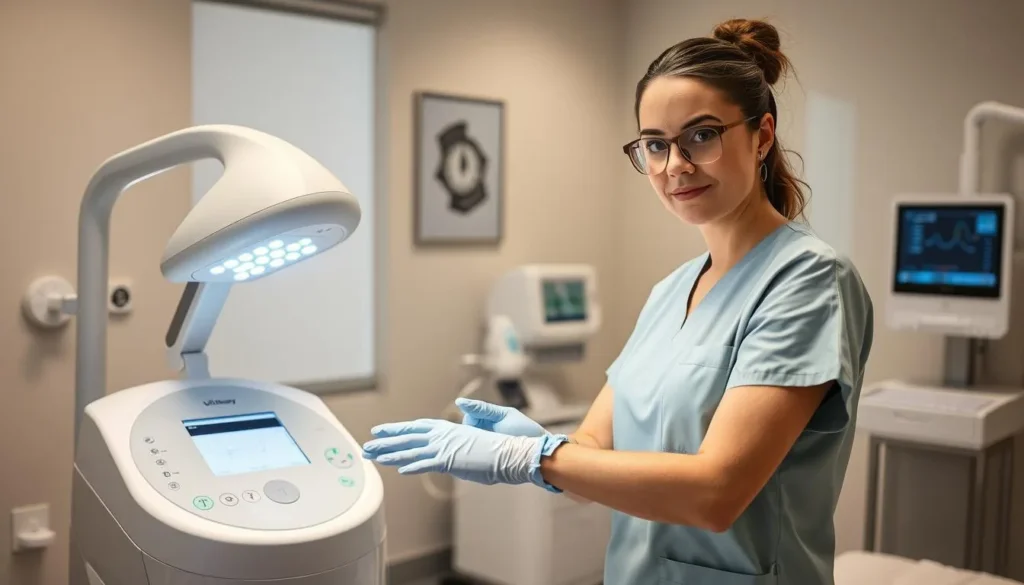
When you think about Ultherapy, picking the right practitioner is key. The right person can greatly affect your results and how you feel. Make sure your specialist is certified and has lots of experience.
Importance of Certification and Experience
Ultherapy is FDA-cleared for loose skin on the face, neck, chin, brow, and décolletage. It needs a skilled person to do it right. A certified practitioner shows they’ve had the right training.
Practitioners with years of experience know how to use Ultherapy well. They can make sure your treatment is safe and works well. They know how to use the machine to get the best results.
Questions to Ask Before Treatment
Before you get Ultherapy, it’s smart to talk things over first. Here are some important questions to ask:
- Do you hold an ultherapy certification? – This shows they’re trained and good at it.
- How many Ultherapy treatments have you performed? – A lot of experience means they’re reliable and skilled.
- What should I expect during and after my treatment? – Knowing what to expect helps you get ready.
- Can you provide before-and-after photos of previous patients? – Seeing their work can make you feel more confident.
Choosing Ultherapy is a big deal. So, it’s important to pick a doctor you trust. Talking things over with your chosen practitioner helps you feel sure and informed about your treatment.
Patient Testimonials and Experiences
Ultherapy has a big impact on those who try it. We look at ultherapy testimonials and patient experiences. This gives a full picture of its benefits and concerns.
Real-Life Results from Ultherapy
Many say Ultherapy makes their skin firmer and more defined. The treatment is quick, taking 30 to 90 minutes. It’s a non-invasive way to look younger without downtime.
Results start to show in a few days to a week. The full effect takes 3 to 6 months. Most see a big improvement in skin elasticity, looking younger.
After collagen peaks, results last long and look natural. Maintenance treatments are needed for lasting effects.
Most patients are happy with the results, with 67% satisfied after 90 days. This shows Ultherapy works well.
Common Concerns Among Patients
Some worry about pain and recovery. But most find it barely uncomfortable. This is good news for those scared of pain.
Another worry is how long results last. Ultherapy can last up to two years, but aging keeps going. Regular treatments keep skin looking young.
Some wonder if they need more than one treatment. While one is often enough, some need more. Getting a personalized plan is key.
Here’s a summary of Ultherapy based on patient feedback:
| Aspect | Patient Feedback |
|---|---|
| Procedure Duration | 30 to 90 minutes |
| Pain Level | Minimal discomfort |
| Results Visibility | 3 to 6 months |
| Post-Treatment Satisfaction | 67% satisfied after 90 days |
| Longevity of Results | Up to 2 years |
| Maintenance | Recommended annually or biennially |
| Discomfort Level During Treatment | Low |
These testimonials help people decide if Ultherapy is right for them.
Conclusion: Evaluating Your Ultherapy Journey
Reflecting on your Ultherapy journey is key. Think about your initial goals and how they match up with your results. Over a million people worldwide have tried Ultherapy, seeing skin lift and tighten within 3-6 months.
It’s common for the best collagen boost and skin tightness to show up a year after treatment. These effects can last up to 2-3 years.
Key Takeaways on Session Frequency and Results
Knowing how often to get Ultherapy is crucial for good results. Ultherapy effects can last 1-2 years. It’s wise to check in every 6 months to keep the benefits.
First-timers might see big changes with just one session. But, to keep your skin tight, you might need more treatments. Younger people in their 30s and 40s see big tightening for 18-24 months. Older folks might see slight to moderate improvements for 9-18 months.
This shows how important it is to have a treatment plan that fits you.
Making an Informed Decision on Treatment
Choosing Ultherapy? Talk to a qualified doctor first. They can tell you what to expect based on your skin, goals, and health. The FDA says Ultherapy is safe and effective for lifting skin on the neck, chin, and brow.
Think about the cost, time, and long-term effects of Ultherapy. This way, you can choose a treatment that fits your beauty goals and lifestyle.
FAQ
What is Ultherapy?
Ultherapy is a non-surgical facelift that uses ultrasound to lift and tighten skin. It’s approved by the FDA and Health Canada. It works by stimulating collagen production in the face, neck, and chin.
How many Ultherapy sessions are typically required?
Most people see good results in one to two sessions, six months apart. The number of sessions needed depends on age, skin condition, and desired results.
How long is an Ultherapy session?
Anywhere from 30 to 90 minutes, depending on how big the area is and what shape your skin is in.
What decides how often I need Ultherapy?
Mainly your age, your skin’s condition and the result you’re after. Someone younger with mild laxity may need fewer sessions; someone older with more sagging may need more.
Does Ultherapy require any downtime?
Ultherapy has little to no downtime. You can usually go back to your daily activities right away. Mild redness or sensitivity may last a few hours.
How does Ultherapy work?
Ultherapy uses ultrasound energy to target deep skin layers. This stimulates collagen production, lifting and tightening the skin over time.
What are the benefits of Ultherapy?
Ultherapy is non-invasive, has little downtime, and targets deep skin layers. It’s great for lifting and tightening the face, neck, and chin, making it a good alternative to surgery.
How does Ultherapy compare to lasers and facelifts?
It works deeper than a laser, stimulating collagen below the surface instead of treating the top layers. And unlike a facelift, there’s no surgery and recovery is quick.
Who should consider Ultherapy?
People in their 30s to 60s with mild to moderate laxity are good candidates. It’s for those seeking a non-surgical way to tighten and look younger.
What is the cost of Ultherapy sessions?
Costs range from $750 to $4,750 in the U.S. It depends on the area’s size and location. Expertise, facility standards, and session number also affect the cost.
How do I find a qualified Ultherapy practitioner?
Choose a certified provider with Ultherapy experience. Discuss their training, expected results, and risks before treatment.
What should I expect in terms of Ultherapy results per session?
One session often gives noticeable results. Some may need follow-up treatments. Progress is checked after six months to decide on more sessions.
Are there any contraindications for Ultherapy?
Severe laxity and certain medical conditions are contraindications. Always check with your provider to see if you’re a good candidate.