Understanding Risks: Why Avoid Botox?
The main reasons to avoid Botox are side effects like bruising, headaches and drooping eyelids, rare but serious reactions, and the risk of fake products from unlicensed sellers. It’s also temporary, so you need repeat shots, and the cost adds up. In trained hands it’s safe for most people, but it isn’t right for everyone.
Botox is a purified form of botulinum toxin. It blocks the nerve signals that tell muscles to tighten, so lines in the skin soften. The effect lasts about three to four months.

How Does It Work?
Your nerves release a chemical called acetylcholine to make muscles contract. The toxin blocks that chemical where it’s injected, so the muscle relaxes. Besides wrinkles, it’s FDA-approved for medical uses like chronic migraine, muscle spasms and heavy underarm sweating.
What Are the Common Side Effects?
The most common ones are pain, swelling or bruising where the needle went in. They’re usually mild and fade within days.
Some people get a headache or flu-like feeling for a day or two.
Less often, the toxin spreads a bit and causes a droopy eyelid or brow, or an uneven smile. This wears off as the toxin does, usually within weeks.
Can Botox Cause Serious Problems?
Rarely, yes. The FDA requires a boxed warning because the toxin can spread beyond the injection site. In rare cases, that can cause muscle weakness or trouble swallowing, speaking or breathing. Get help right away if you notice these signs.
Fake or mishandled products are a bigger danger. In 2024, the CDC warned about people in several states who got sick, some badly enough to need hospital care, after shots from unlicensed sellers.
What Are Other Reasons to Avoid Botox?
Some reasons are personal. You may not like a frozen look, or you may not want to commit to shots every few months. The cost also adds up over time.
Some people shouldn’t get it at all. That includes people who are pregnant or breastfeeding, have certain nerve or muscle disorders, or have an infection where the shots would go. Tell your provider about every medicine you take.
What Are the Long-Term Effects?
Using it for many years may make the treated muscles thinner and weaker. Some studies have seen this, but the long-term effects aren’t fully known.
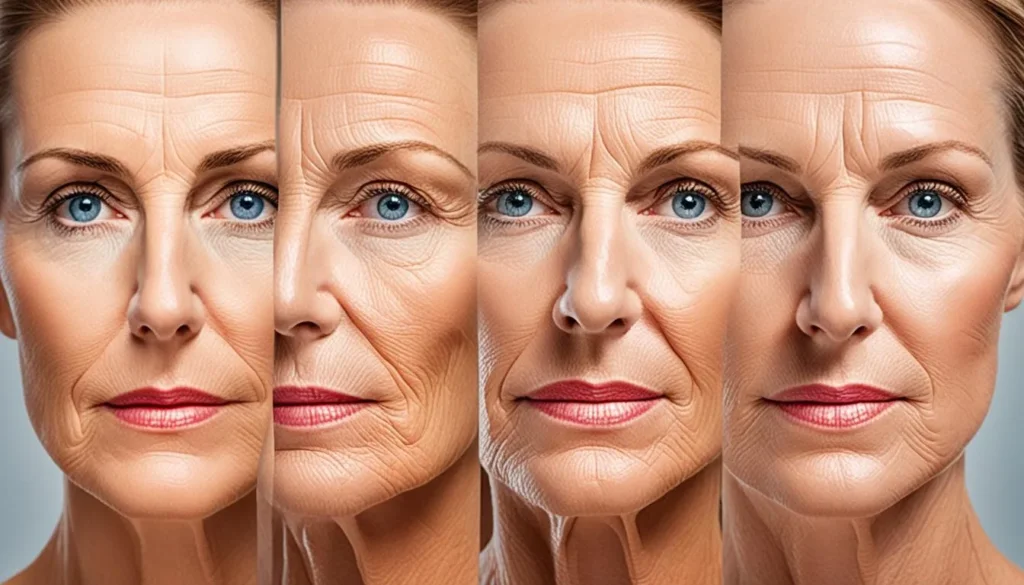
Overuse can also change how your face moves. Too much, too often, can leave you with a flat or unnatural look.
Can Botox Affect Your Emotions?
Possibly. Your face helps you feel and read emotions. Small studies suggest that relaxing facial muscles may slightly change how well you read other people’s feelings. Other studies suggest it may help with low mood. The research is still early.
How Can You Lower Your Risk?
Go only to a licensed provider in a medical setting. Ask to see the product, and never buy toxin online or get shots at a party or in someone’s home.
Untrained injectors are more likely to put the shot in the wrong spot or use the wrong dose. They may also use fake or poorly stored products.