Are Dermal Fillers Worth It? Cost, Longevity and Who Benefits
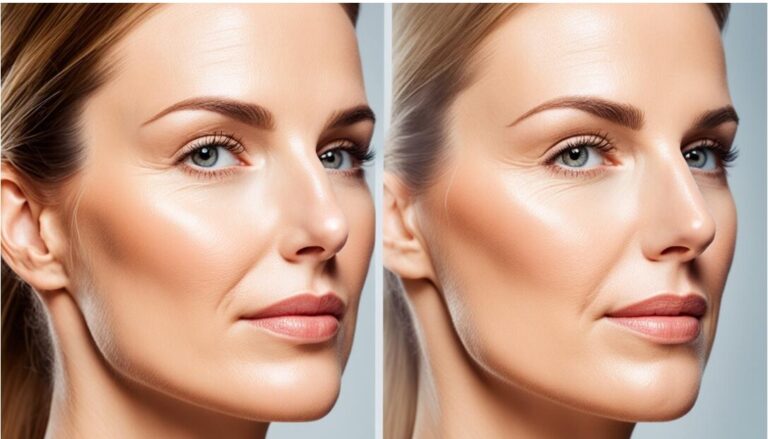
Dermal fillers are worth it for one kind of problem: lost volume. Flat cheeks, lips that have thinned, a hollow under the eyes, a chin that recedes a little more in photos than you’d like. For those, a good filler treatment gives a visible change the same day, lasts many months and can be reversed if you dislike it. For sagging skin or wrinkles caused by movement, filler is often the wrong tool, and that’s where people end up disappointed.
It depends on what you want fixed. If you’re weighing dermal fillers at our Upper East Side practice, here’s how we’d suggest thinking about price, how long it lasts and whether it fits your goal.
What dermal fillers cost in New York
Filler is priced by the syringe, and most areas take one or two. Across the US, a syringe of hyaluronic acid filler commonly runs from roughly $600 to over $1,000, and Manhattan quotes tend to sit toward the top of that. Those are general market ranges. They move with the product, the area and the injector, and the only number that counts is the one you get after someone has actually looked at your face.
Here’s the math we’d do in your shoes. Take the quote and divide it by the number of months the filler should hold. Cheeks, which can go a year or so, end up costing per month about what plenty of people on the Upper East Side drop on two spin classes. Lips are the pricey ones by that measure, since they’re often back to baseline around month six. Not a perfect formula (nobody’s face reads the label), but it makes a scary number easier to compare.
If you want several areas done, like cheeks, jawline and a little lip, you may need three or four syringes. We usually split that into two visits a few weeks apart. It spreads the cost, but mostly it gives the filler time to settle and the swelling time to go down, because a cheek that looks like it needs more on day one can look right three weeks later.
How long fillers last, and why it varies
Almost every filler we use is hyaluronic acid, the same sugar molecule your skin makes on its own. Your body clears it slowly. Expect six to eighteen months in most spots, and up to two years for a few of the firmer cheek products.
Lips fade fastest because they’re always moving. Cheeks and chin last longer. Our guide to how long dermal fillers really last goes area by area.
Some fillers aren’t hyaluronic acid. Poly-L-lactic acid and calcium hydroxylapatite fillers work by prompting your skin to build its own collagen, so the change appears over a couple of months and tends to last longer. The downside, which matters if you’re nervous, is that they can’t be dissolved. Hyaluronidase only breaks down hyaluronic acid.
Who gets the most out of fillers
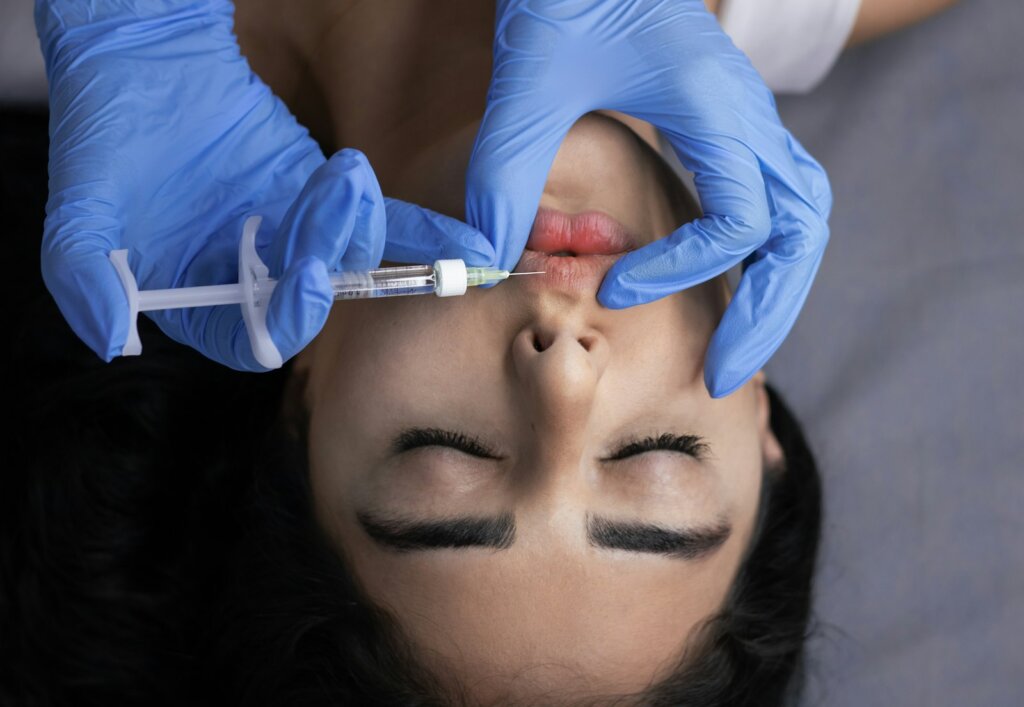
Our happiest filler patients tend to have a clear complaint, like flat-looking cheeks on video calls or lips that thinned in their forties, skin that still has some bounce, and a goal of looking rested rather than different. Cheeks, temples, lips, chin and the nose-to-mouth crease are the usual spots, and under-eye hollows can work too in experienced hands.
Hold off if you’re pregnant or nursing (most injectors won’t treat, which is the cautious choice), if a cold sore is starting, or if you have dental work like a root canal coming up next week. And skip filler bought online or needle-free “hyaluron pens” from social media. The FDA has warned about both, because the product can’t be placed precisely and people have been hurt.
Risks to weigh against the benefit
For most people the after-effects are minor. Expect some swelling and tenderness, and possibly a bruise that needs concealer for a few days. That’s the reason to schedule two weeks ahead of anything with a photographer, like a wedding at the Plaza, and not the Thursday before. If a small bump shows up it can usually be massaged out, and hyaluronic acid can be dissolved if needed.
There’s one serious risk you should know about even though it’s rare. Occasionally filler gets into a blood vessel, or presses on one hard enough to block it (doctors call this a vascular occlusion), and the skin that vessel supplies can be injured; in very rare cases it affects vision. That’s a big part of why it matters who injects you, and why an office that does filler should keep hyaluronidase on hand at all times. The FDA’s page on dermal fillers lists approved uses and warning signs, and our overview of filler side effects covers what’s normal in the days after.
Frequently asked questions
Do dermal fillers look natural?
Done with a light hand, yes, and most people around you will just assume you slept well. The pillowy, overdone look comes from adding a little more every few months for years, not from filler as such.
What happens when filler wears off?
You drift back toward where you’d be without it. Slowly, over months, so there’s no sudden deflated morning. In modest amounts it doesn’t leave the skin worse off.
Can I get fillers and Botox on the same day?
Usually fine, and it’s a common pairing: Botox for lines that come from movement, filler for hollows. Your provider sorts out the order and the areas.
Book a filler consultation on the Upper East Side
Come in, point at what’s bugging you, and we’ll tell you whether lost volume is really the reason. Sometimes it isn’t, and you’ll hear that before anyone opens a syringe. VisoDent NY is at 903 Park Ave, New York, NY 10075, on the Upper East Side. Call 212-991-9095.