Virtue RF vs. Morpheus8: How Do They Compare?
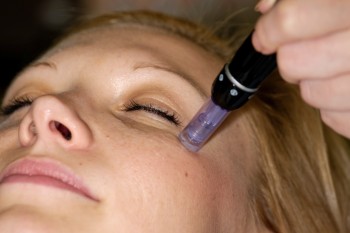
Virtue RF and Morpheus8 are both radiofrequency (RF) microneedling devices, and they work on essentially the same principle: you’ve got fine needles which deliver heat into the deeper layers of the skin to stimulate new collagen. The actual differences lie in the handpiece and in the marketing. For the vast majority of people, the judgment of the operator is going to be far more important to the outcome than which logo is on the handpiece.
A note on where we stand: we offer Virtue RF at our Upper East Side practice, so read this with that in mind. We’ve tried to keep it fair, and Morpheus8 is a well-established device with a loyal following among dermatologists and plastic surgeons.
How does RF microneedling work?
Plain microneedling, the kind done with a pen such as DermaPen, makes thousands of tiny punctures and lets the skin’s wound-healing response do the rest. RF microneedling adds heat to that process. Once the needles reach a set depth in the dermis, they release radiofrequency energy from their tips, creating small columns of warmth that tighten existing collagen and prompt the skin to build more over the next few months. Our older post on DermaPen microneedling explains the needle-only version if you want the comparison.
Picture a needle wearing a sleeve. On many RF tips, everything except the very end of the needle is insulated, so the heat comes out where the tip sits in the dermis while the surface skin above stays relatively cool. That’s the main reason RF microneedling gets offered to people with medium and deeper skin tones who have been told to stay away from aggressive resurfacing lasers, since melanin in the top layer is what makes those lasers risky. Lower risk isn’t zero risk, though, and anyone who tends to get dark marks after a pimple or a scrape should say so up front.
What’s actually different between Virtue RF and Morpheus8?
The difference people talk about most is how the needles go in. Virtue RF, made by Candela, uses a motorized system the company calls Robotic Precision Delivery, which drives the needles in and out at a controlled speed. The goal is a clean entry with less tearing and an even distribution of energy across each pass. Morpheus8, made by InMode, is known for its variety of tips and depths, including body tips that reach deeper than most facial devices, and InMode promotes it for remodeling tissue down into the fat layer as well as the skin.
Strip away the brochures and the two machines have more in common than not: adjustable depth, adjustable energy, a choice of tips, FDA clearance. There’s very little published research putting them side by side on similar skin, so claims that one is “better” tend to rest on marketing, social media and the habits of whoever is holding the handpiece. If a practice tells you its device is simply superior, it is probably also telling you which one it bought.
Which one hurts less, and what is the downtime?
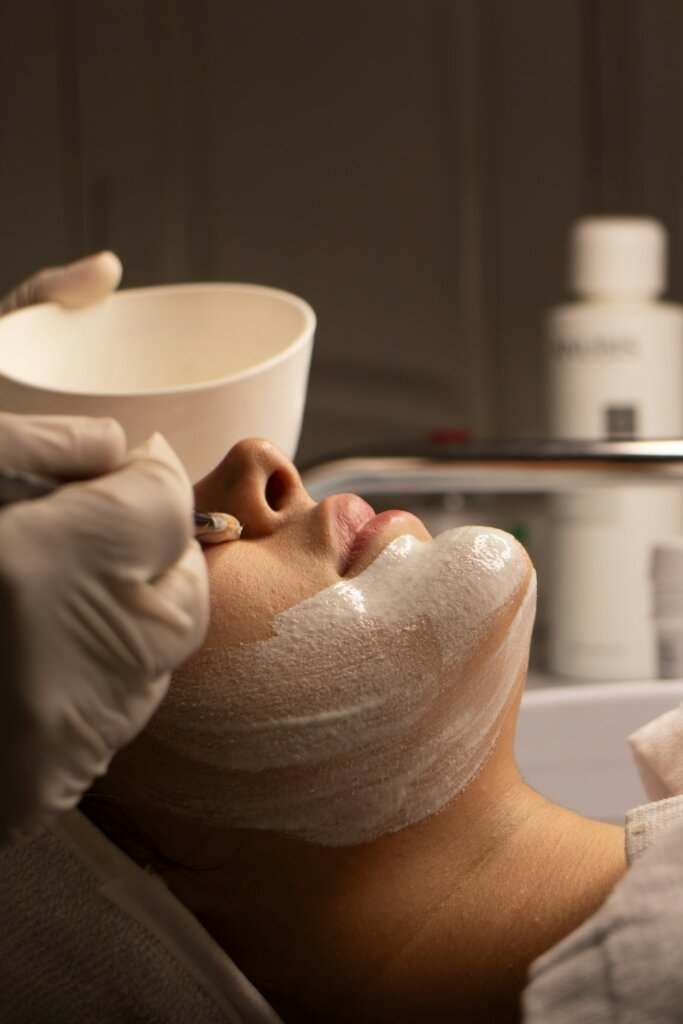
Pain in RF microneedling comes from two things: the needle entry and the heat at the tip. Both of these are a function of the settings. A topical anesthetic (usually a lidocaine-based cream) is applied and left on for 30 to 60 minutes to dull the surface. The heat is what you’re going to feel: a very brief, hot, pinching pulse. It’s quite intense in the areas where there’s bone very close to the surface (the forehead, temples and jawline) and is considerably less so over the fuller part of the cheek. As both devices have adjustable energy and depth settings, you can have a very conservative Morpheus8 treatment which is more comfortable than an aggressive Virtue RF treatment, and the reverse is equally true.
Downtime is also dependent on the settings used. With moderate parameters, you’d expect redness and mild swelling similar to a sunburn for one to three days (sometimes with a very faint grid pattern from the tip), and many people are back to work within a day or two wearing mineral makeup. Higher energy and greater depth will result in more swelling, pinpoint scabbing and a longer period of pinkness. The American Society for Dermatologic Surgery’s microneedling overview describes the downtime following microneedling as ranging from a mild sunburn appearance to peeling, and states that a series of monthly treatments is generally required.
Who is a good candidate?
RF microneedling suits fine lines, early laxity along the jaw and neck, enlarged pores, rough texture and many acne scars. People with an active acne flare, a skin infection in the treatment area or a history of keloid scarring usually need to wait or choose something else, and certain implanted electronic devices can rule out RF treatments, so mention any of those at the consultation. Pregnancy is another reason to postpone.
If what bothers you is deeper sagging of the lower face, RF microneedling may not be the right first tool at all. Our comparison of Ultherapy and Morpheus8 looks at how ultrasound tightening fits into the picture.
Does the device matter more than the provider?
Usually not. Skin thickness varies a great deal across a single face, from roughly half a millimeter on the eyelids to a few millimeters over the cheeks, so needle depth and energy should change from zone to zone. The provider also decides the interval between sessions, how to adjust for skin tone and any history of pigmentation, and what aftercare to prescribe, including strict sun protection. Those decisions account for much of the difference between an average result and a good one. At a consultation, it’s reasonable to ask how many RF microneedling treatments the provider has performed, to see photographs of results on skin similar to yours, and to ask which depths they would use on your forehead, cheeks and neck.
Frequently asked questions
Is Virtue RF the same as Morpheus8?
No. They belong to the same category of treatment but come from different manufacturers and use different handpiece designs and needle delivery systems.
How many sessions will I need?
Most treatment plans will involve a short series (usually three or four visits) spaced about a month apart, with maintenance after that. The exact number will depend on your skin and your goals.
Which is better for acne scars?
Both are used for acne scarring. Scar type, depth settings and the provider’s experience generally matter more than the device itself.
Ask about RF microneedling on the Upper East Side
If you’re deciding between devices, it can help to start with a skin assessment instead of a brand. VisoDent NY is at 903 Park Ave, New York, NY 10075, on the Upper East Side. Call 212-991-9095 to book a consultation for Virtue RF.