What are the benefits of Invisalign over braces explained
Did you know nearly 70% of adults are unhappy with their smiles? This shows how important orthodontic treatments are for a confident look. Choosing between traditional braces and modern aligners greatly affects a person’s smile journey.
Invisalign is a game-changer compared to old-school braces. It uses clear, plastic aligners made from a 3D scan. This method is discreet, making it a hit with many patients.
It’s also the top pick among dental pros. They love it for its effectiveness and comfort over traditional braces. People find Invisalign fits their lifestyle better, making it a top choice.
We’ll dive into Invisalign’s benefits soon. We’ll look at both its looks and its clinical advantages. Knowing these can help patients choose the best orthodontic care for themselves.
Key Takeaways
- Nearly 70% of adults desire a better smile.
- Invisalign aligners are virtually invisible, boosting patient confidence.
- It is the most recommended clear aligner by dental professionals.
- Invisalign offers comfort compared to traditional braces.
- Patients can keep up with their lifestyle during treatment.
Introduction to Orthodontic Treatments
Orthodontic treatments come in many forms, each suited to different dental needs. Knowing about these options helps you make better choices for your teeth. Traditional braces and Invisalign are two common treatments, each with its own benefits.
Brief Overview of Braces
Braces have been around for a long time. They are usually metal and have brackets that stick to your teeth. These brackets are connected by wires and held in place with ligatures. This setup applies pressure to move your teeth slowly into the right spot.
Over the years, braces have evolved. Now, you can choose from ceramic or lingual braces. These options are more discreet than traditional metal braces.
Brief Overview of Invisalign
Invisalign uses a newer method with clear, plastic aligners. These are made just for you from a 3D scan of your mouth. You’ll wear a series of aligners that apply gentle pressure to your teeth at set times.
This approach is not only more comfortable but also less noticeable than traditional braces.
Importance of Choosing the Right Treatment
Picking the right orthodontic treatment is key to getting the best results. Your dental issue, lifestyle, and what you prefer all matter. A detailed diagnostic process is needed to find the best treatment for you.
The goal is to choose a treatment that fits your needs perfectly. This ensures you get the best outcome possible.
| Feature | Braces | Invisalign |
|---|---|---|
| Material | Metal, Ceramic, Lingual | BPA-free Plastic |
| Visibility | Visible | Clear |
| Comfort | May cause irritation | More comfortable |
| Cleaning | Requires special care | Removable for easy cleaning |
Aesthetic Advantages of Invisalign
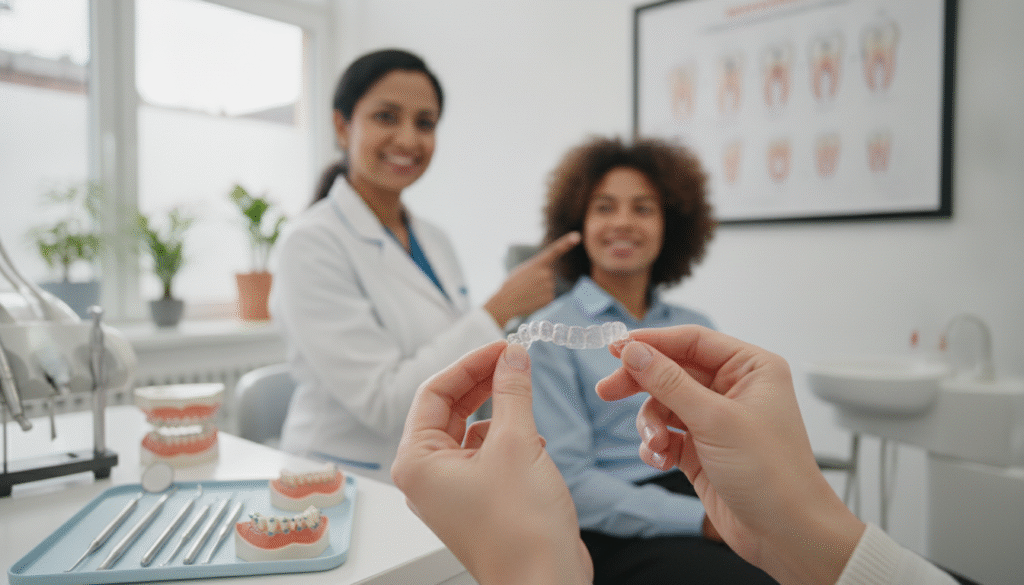
Invisalign has many benefits that make it appealing for those needing orthodontic treatment. Its aligners are almost invisible, which is great for adults and teens who might feel self-conscious. Unlike metal braces, Invisalign lets people get treatment without anyone noticing.
When you compare Invisalign vs metal braces, the look is a big difference. Invisalign’s aligners are made from a special material that stays clear. This is unlike metal braces, which are easy to see and can make your teeth look different.
Attachments used in Invisalign can also affect how visible they are. These attachments help move teeth but are placed on the back of teeth. This makes treatment less noticeable, helping patients feel more confident.
Clear Aligners vs. Metal Braces
| Feature | Invisalign | Metal Braces |
|---|---|---|
| Visibility | Virtually invisible | Highly visible |
| Material | SmartTrack® material | Metal brackets and wires |
| Comfort | Custom fit, smooth edges | Can cause irritation |
| Maintenance | Removable for easy cleaning | Fixed, requires special cleaning |
Confidence During Treatment
Wearing clear aligners can really boost your confidence. Many people feel more at ease because their smile looks normal. This is really helpful for teens and young adults who might feel embarrassed about metal braces.
In conclusion, Invisalign’s looks are a big reason why people choose it. It’s invisible, comfortable, and keeps your smile looking great. This makes Invisalign a top choice for those looking for orthodontic treatment.
Comfort and Convenience with Invisalign
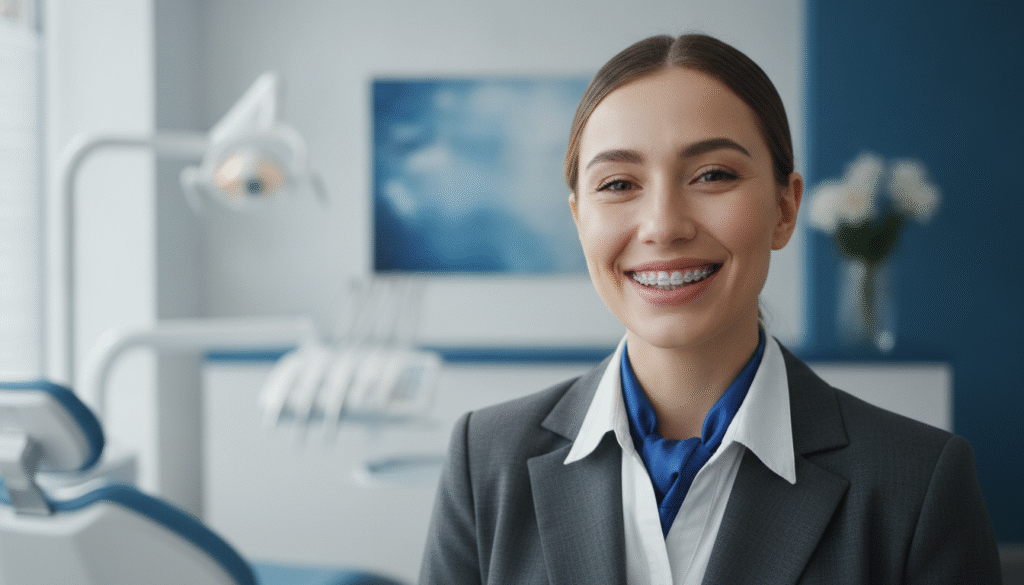
Invisalign is more comfortable and convenient than traditional braces. It’s designed to make the treatment experience better. The aligners fit each person’s mouth perfectly, ensuring they are comfortable.
Custom Fit and Material
The materials in Invisalign aligners are key to their comfort. They are made from a special plastic that is smooth. This prevents irritation, unlike traditional braces that can cause mouth sores.
Invisalign uses advanced technology to create the aligners. This technology ensures a precise fit, reducing discomfort. The aligners fit well against the gums, making the process more comfortable.
Reduced Discomfort Compared to Traditional Braces
Invisalign is less uncomfortable than traditional braces. Traditional braces can cause mouth and gum problems. In contrast, Invisalign is more comfortable.
Studies show kids with Invisalign First™ have less pain than those with traditional braces. This makes treatment more effective and easier for kids.
“The comfort of the aligners makes a significant difference in the overall treatment experience.”
| Feature | Invisalign | Traditional Braces |
|---|---|---|
| Custom Fit | Yes | No |
| Material | Smooth plastic | Metal brackets and wires |
| Mouth Irritation | Minimal | Common |
| Adjustment Pain | Less | More |
In summary, Invisalign is a great choice for those seeking orthodontic treatment. It offers comfort and convenience, making the journey to a beautiful smile easier.
Oral Hygiene Benefits
Keeping your mouth clean is key during orthodontic treatment, whether you choose braces or Invisalign. Clear aligners make it easier to keep your teeth clean. They don’t have the same problem as braces, which can trap plaque.
Invisalign lets you brush and floss like normal. This is a big plus because braces can get in the way. It helps avoid plaque, which can cause stains, cavities, and gum problems.
It’s also important to clean your aligners well. Use a soft toothbrush and mild soap or special cleaning crystals. This keeps them free from bacteria and looking clear.
Invisalign also reduces the chance of getting white spots and gum inflammation. These issues can ruin your smile and harm your teeth. So, Invisalign is not just more comfortable. It also helps keep your teeth and gums healthy.
Meal Flexibility with Invisalign
Invisalign gives you the freedom to eat what you want during treatment. This is a big Invisalign advantage compared to traditional braces. You can take out your aligners to eat, so you can enjoy many foods without limits.
Unlike braces, which limit many foods, Invisalign lets you eat your favorite meals. This makes your treatment experience better and adds to the teeth straightening benefits.
But, it’s key to wear your aligners for 20 to 22 hours a day. This means you can eat freely but must put your aligners back on right after. This balance lets you enjoy meals and get the best treatment results.
Also, eating with Invisalign is less stressful socially. You can take out your aligners during meals, avoiding the worry of food getting stuck in braces. This is a big plus for those with traditional braces.
But, there’s a catch: brush your teeth before putting your aligners back in after meals. This helps prevent cavities by avoiding food getting trapped against your teeth.
| Aspect | Invisalign | Braces |
|---|---|---|
| Food Restrictions | No restrictions | Many restrictions |
| Ease of Eating | Very easy | Can be difficult |
| Impact on Social Dining | Minimal | Significant |
| Maintenance of Oral Hygiene | Requires brushing after meals | More challenging |
Treatment Duration Comparison
When looking at orthodontic treatments, knowing how long they last is key. This factor often shapes patients’ choices between braces and Invisalign. Each option has its own time frame for achieving the desired results, which can change based on the individual.
Typical Treatment Times for Braces
Braces usually need a longer time to work. For many, it takes 18 to 24 months. This is because braces move teeth by applying constant pressure. They are great at closing gaps and fixing complex alignment issues, moving teeth quickly at first.
Typical Treatment Times for Invisalign
Invisalign, on the other hand, is often faster. Studies show patients finish Invisalign about five months quicker than braces. For simple cases, results can appear in six months. But, more complex issues might take around 16 months.
Invisalign works differently. It moves multiple teeth at once, cutting down on the need for a long “finishing” phase. The orthodontist’s skill in using ClinCheck® software is also key. They customize the treatment to move teeth efficiently and effectively.
Technology Behind Invisalign
Invisalign uses the latest technology to make custom treatment plans. It starts with an iTero® intraoral scanner. This scanner takes thousands of frames per second to create a detailed digital model of your teeth. It replaces old-fashioned impressions that can be uncomfortable.
After the digital model is made, the orthodontist uses ClinCheck® software. This software plans out how each tooth will move. It’s special because it can make aligners just for you, for the best results.
But, there’s a catch. The automated plan only gets about 50% of the desired results. To fix this, experts often use a special strategy. They plan for 2.5mm of movement to get a 2.0mm result.
Another big plus is the regular check-ups. Patients usually see their orthodontist every two months. This is different from traditional braces, which need monthly adjustments. This makes the Invisalign process smoother.
Lifestyle Considerations
Looking at how Invisalign fits into different lifestyles is key. Many people are always on the move, whether it’s through sports or social events. It’s important to see how Invisalign works in these situations for a successful treatment.
For those who are always active, the ability to remove aligners is a big plus. They can take out their aligners during sports, which is great. This way, they can also use custom sports mouthguards, which helps prevent injuries. Traditional braces, on the other hand, can cause cuts in the mouth during sports.
But, it’s important to wear aligners for at least 20-22 hours a day. Wearing them less than 18 hours can slow down the treatment. This might mean you need more adjustments to keep the treatment on track.
Removing aligners discreetly in social situations can be tricky. It’s a good idea to carry a travel-sized oral hygiene kit to clean your teeth before putting your aligners back in. This helps keep your teeth clean and prevents stains on the aligners. Good oral hygiene is key to avoid cavities and bad breath during treatment.
In short, Invisalign has many invisible braces benefits. But, it does require you to stick to wearing them as directed. Finding a balance between the convenience of removable aligners and the duty of proper wear is key to getting the best results.
Cost Comparisons
It’s important to know the costs of orthodontic treatments to make good choices. Many people ask about the price of Invisalign compared to metal braces. We’ll look at the costs and financing options to help you decide.
Price Range Overview for Both Options
The cost of orthodontic treatments can change a lot. It depends on how complex your case is and how many aligners you need. Thanks to new technology, Invisalign costs are now close to metal braces.
For most, the cost of Invisalign is about the same as metal braces. Your orthodontist will check your case to figure out the exact price. Here’s a table showing typical costs:
| Orthodontic Treatment | Average Cost Range | Factors Influencing Cost |
|---|---|---|
| Invisalign | $3,000 – $8,000 | Case complexity, number of aligners |
| Metal Braces | $2,500 – $7,500 | Length of treatment, additional procedures |
Insurance and Financing Options
Many dental insurance plans cover Invisalign and metal braces the same way. They have a lifetime max that can help pay for either option.
You can also use Health Savings Accounts (HSAs) and Flexible Spending Accounts (FSAs) for tax benefits. And, third-party financing like CareCredit offers interest-free periods. This makes paying for orthodontic treatment easier.
The Suitability of Invisalign for Different Cases
Knowing when to choose Invisalign or braces is key for the best results. Each orthodontic case has its own challenges. Invisalign is great, but it’s not for every case.
For complex cases, braces are usually the better choice. They’re needed for big root movements, closing gaps, or fixing severe rotations. Braces use strong wires and brackets to apply constant forces for these tough moves.
But, Invisalign is perfect for mild to moderate issues. It works well for small crowding, spacing, and some relapses from past treatments. Its clear aligners are comfy and discreet, making them great for less complex problems.
There’s a big exception with anterior open bites. Invisalign can help close an open bite by pushing the molars back. This makes the lower jaw move forward, increasing the bite. Braces, on the other hand, might make an open bite worse because of their way of working.
In the end, picking between braces and Invisalign needs a pro orthodontist’s advice. They’ll look at each case carefully and suggest the best option for you.
Duration and Frequency of Check-ups
Check-ups are key in orthodontic treatments. Many patients don’t realize how these visits impact their experience. Knowing the differences between braces and Invisalign can help you choose wisely.
Appointment Frequency for Braces vs. Invisalign
Braces patients usually see their orthodontist once a month. The orthodontist checks progress, changes ligatures, and might adjust archwires for better tooth movement.
Invisalign users, on the other hand, need to visit less often. They go every 8 to 12 weeks. This is because the aligners are made before use, based on a digital plan. So, changes are quick and easy.
Flexibility in Treatment Plan Adjustments
Invisalign offers more flexibility in making changes. With braces, mid-course corrections take time. New impressions or scans and lab-made archwires are needed.
Adjustments for Invisalign are fast. A new iTero® scan can lead to an updated ClinCheck® plan. This digital process doesn’t remove any fixed hardware, making it great for busy people.
The clear aligners benefits go beyond looks and comfort. Fewer visits and easier adjustments make Invisalign advantages clear to many patients.
Conclusion: Making an Informed Choice
Choosing the right orthodontic treatment is key to your dental health. When deciding between Invisalign and braces, there are many things to think about. Knowing the benefits of Invisalign helps you pick what’s best for you.
Invisalign has some big advantages:
- Aesthetic discretion: Clear aligners are less noticeable than traditional metal braces.
- Improved oral hygiene: Removable aligners make it easier to clean your teeth.
- Dietary freedom: You don’t have to worry about food restrictions, making eating normal again.
- Advanced treatment planning: Digital tools help make precise adjustments for your needs.
But, these benefits work best for certain cases. Not every orthodontic issue is right for Invisalign. So, it’s vital to talk to an orthodontist who can give you advice based on your unique situation.
When you meet with an orthodontist, ask them:
- What’s the complexity of my case?
- What specific movements are needed for the best results?
- Why do they think one appliance is better for me?
The success of your treatment really depends on the treatment plan and the orthodontist’s skill. Talking with your orthodontist helps you make a choice that’s right for you.
Frequently Asked Questions
Many patients have questions about Invisalign treatment. This section aims to answer these concerns clearly and accurately.
Common Concerns About Invisalign
Patients often ask about wearing Invisalign. It’s important to wear the aligners for 20 to 22 hours each day. Not wearing them enough can slow down treatment.
Cost is another big question. Many ask, “Is it cheaper to get braces or Invisalign?” The truth is, Invisalign and traditional braces can cost about the same. This is because new technology has made clear aligners more affordable.
Speed of treatment is also a concern. Studies show Invisalign can finish five months faster than traditional braces. This is a big plus for those wanting quick results.
Some patients might need attachments on their aligners. These small, tooth-colored buttons help with tricky movements. They are important for the treatment’s success, even though they’re not always visible.
Braces Myths Debunked
It’s key to clear up myths about braces. One myth is that braces hurt more than Invisalign. But, how much discomfort you feel depends on you and your treatment.
Another myth is that braces trigger metal detectors. This is not true. Today’s braces are made to avoid such problems. Knowing this can help ease worries for those thinking about orthodontic treatment.
Personal Experiences and Testimonials
Many patients have shared their amazing experiences with Invisalign. They love how it makes them feel more confident. This is a big plus compared to traditional braces.
Adults like that no one notices they’re getting their teeth straightened. Teens feel better too, as they don’t have to worry about being teased. This is because Invisalign is clear and doesn’t show.
People also don’t have to deal with the usual comments and stares that come with braces. They can relax and enjoy seeing their smile improve. This makes their whole experience much better.
Even those with more complex needs can benefit from Invisalign. For example, some might use it for most of their treatment but add a few brackets for a short time. This mix of treatments gives the best results.
Those who have tried both treatments often share their experiences. Their stories help others understand the choices better. They show that the right orthodontist can create a plan that works best for you.
For more info on straightening your teeth, check out this resource.
Resources and Next Steps
Exploring orthodontic treatment options is key. Finding a qualified orthodontist is vital for a good experience. Look for a board-certified specialist with experience in both clear aligners and traditional braces.
Start with the Invisalign Smile Quiz. It checks if clear aligners are right for you. Then, book a consultation for an iTero® digital scan. This scan shows how your teeth will move before you decide.
Learn more from the American Association of Orthodontists (AAO) and Align Technology’s clinical publications. These sources help you understand Invisalign vs metal braces. Knowledge helps you make smart choices for your teeth.