What is a Bone Graft and Would I Need One for an Implant?
Did you know that nearly 70% of dental implant patients might need extra bone material? This fact shows how important bone grafting is in dentistry. It’s key for those thinking about dental implants.
A bone graft is a surgery where bone is added to the jaw. It helps make a strong base for an implant. Many think every implant needs grafting, but that’s not true.
Actually, many implants can be placed without extra bone work. But, if the jawbone is too thin or weak, a graft is needed. Doctors use special scans to check if a graft is necessary.
The main aim of bone grafting is to make sure the implant stays stable and works well. It’s not just a simple step. It’s a custom plan for each patient’s needs. You’ll learn more about grafts, alternatives, risks, and when grafting is needed in this article.
Key Takeaways
- Bone grafting adds stability to dental implants.
- Not all implants require grafting; it depends on individual jawbone conditions.
- Advanced imaging techniques assist in evaluating the need for grafts.
- The goal is to ensure long-term success and functionality of the implant.
- Understanding the types of grafts can empower informed decisions.
Understanding Bone Grafts
Bone grafts are key in dental care, helping to build up bone for implants. Knowing about bone grafts, their types, and uses helps both patients and dentists make better choices.
Definition of Bone Grafts
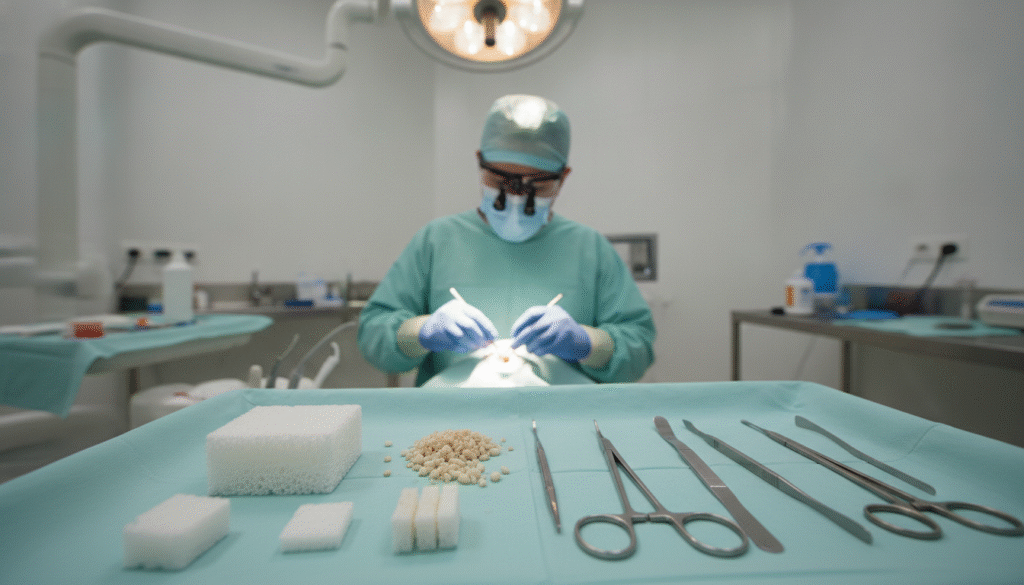
A bone graft is a surgery that moves bone or a bone-like material to a jaw area with not enough bone. This helps grow new bone and makes the jaw strong again, which is vital for dental implants.
Types of Bone Grafts
There are four main types of bone graft materials, each with its own features:
- Autografts: These come from the patient’s own body, like the chin or hip. They heal well but need another surgery site.
- Allografts: These come from human donors and are safe after processing. They’re popular because they don’t need another surgery.
- Xenografts: Made from animals, like cows, they help grow new bone. They’re a good choice for adding bone.
- Synthetic (Alloplasts): Made by humans, these materials, like calcium phosphate, are reliable and work well for many cases.
Common Uses in Dentistry
Bone grafts are used in many dental treatments, including:
- Socket Preservation: After a tooth is pulled, grafts help keep the jaw bone from shrinking.
- Ridge Augmentation: This adds bone to the jaw for a strong base for implants.
- Sinus Lifts: When the upper jaw is too short, grafts can lift the sinus floor for implants.
By connecting these uses to bone augmentation, it’s clear how grafts are vital for adding bone and making implants last longer.
Importance of Bone Density
Bone density is key for dental implants to work well. It’s important for both patients and doctors to know about it. Bone density shows how much bone tissue is in a certain area. This affects how strong the jaw is and if it can hold an implant.
What is Bone Density?
Bone density shows how healthy and strong bones are. It’s based on the minerals like calcium and phosphorus in the bones. Stronger bones mean higher bone density, while weaker bones mean lower density.
When a tooth is lost, the bone around it can start to break down. This is called resorption. The jawbone gets thinner and weaker, making it hard to hold an implant. Keeping bone density high is very important.
How Bone Density Affects Implants
Bone density and dental implants are closely linked. If the bone is not dense enough, problems can happen. These include:
- Primary implant instability
- Micromotion during healing
- Failed osseointegration
- Aesthetic issues like gum recession
As one expert said,
“Without enough bone, an implant can fail or cause poor looks and chewing.”
This shows why checking bone density before implants is so important.
New treatments for bone loss, like bone grafting, help fix these problems. They aim to add enough bone for implants to work well. Doctors use special tools like CBCT imaging to see the bone’s shape and quality. This helps predict how well an implant will do.
The big question is: How can a titanium post stay in a jaw that’s lost its support? The answer is to understand and fix bone density. This way, patients get the best care and results for their implants.

The Role of Bone Grafts in Dental Implants
Bone grafts are key to dental implants working well. They help both patients and dentists understand the dental implant process. Not all patients need a bone graft. But, if the jawbone is too small due to loss, injury, or disease, a graft is needed.
The main reason for a bone graft is to have enough bone for the implant. Without enough bone, the implant can’t attach properly. This can cause the implant to fail. The success of the implant depends on it attaching well to the jawbone.
Why Bone Grafts are Sometimes Necessary
Bone grafts are needed in a few situations:
- Bone Resorption: After losing a tooth, the jawbone can shrink. This makes it hard to place an implant.
- Trauma: Jaw injuries can cause bone loss that needs grafting.
- Dental Diseases: Diseases like periodontal disease can damage the bone.
How Bone Grafts Support Dental Implants
Bone grafts help new bone grow, making the area better for the implant. This support is key for the implant’s success. There are two main ways to do bone grafting:
- Simultaneous Grafting: If there’s enough bone, the graft and implant can be done together. This shortens treatment time.
- Staged Grafting: For bigger defects, doing the graft first is safer. This allows time for healing before the implant is placed.
Dentists use tools like Cone Beam Computed Tomography (CBCT) to decide if grafting is needed. This step is important for the implant to work well and look good in the long run.
Factors Influencing the Need for Bone Grafts
Several factors can make bone grafts necessary in dental care. It’s important to understand these to plan treatments well. Tooth loss and bone resorption, along with medical conditions, are key concerns.
Tooth Loss and Bone Resorption
When a tooth is lost, the bone that held it starts to resorb. This happens because the bone misses the stimulation from the tooth root. The most bone loss occurs in the first year after tooth extraction.
Things that make bone loss worse include:
- Delayed implant placement after extraction
- Prolonged use of dentures
- Advanced periodontal disease
These conditions can make the jawbone too thin or short for an implant. Dental experts say, “The absence of teeth not only affects aesthetics but also compromises the structural integrity of the jaw.”
Medical Conditions and Bone Health
Medical conditions like osteoporosis, diabetes, and smoking can harm bone health. These conditions can make healing after dental procedures harder.
Bone regeneration is the body’s natural repair process. Grafting procedures help this process by providing a matrix and signals for bone rebuilding.
Here’s a question: Can a jawbone that has been resorbing for years spontaneously regenerate enough to hold an implant? Often, the answer is yes to bone grafting.
To sum up, a detailed medical and dental history, along with imaging, is key to predict grafting needs. This ensures the best results in bone regeneration and dental implant success.
The Bone Grafting Procedure
Understanding bone grafting is key for dental implant surgery. It boosts implant success and oral health. We’ll cover preparation, the grafting process, and post-care.
Preparation for Bone Grafting
Before a bone graft, patients need to prepare well. This includes a detailed dentist evaluation. This might include:
- 3D imaging through CBCT to check bone size and quality.
- Clinical exams to check gum health and soft tissue.
- Talks about lifestyle changes, like quitting smoking and reviewing medications.
These steps help your dentist choose the best bone grafting method for you.
The Grafting Process Explained
After preparation, the grafting starts. It’s done under local anesthesia for comfort. Here’s what happens:
- The surgeon makes an incision to expose the bone area needing grafting.
- They place graft material, like autograft or synthetic, into the defect.
- A collagen membrane might be used to cover the graft, helping it grow.
This careful method helps the graft blend with the bone, preparing for implant surgery.
Post-Operative Care
After grafting, proper care is vital for healing. Follow these steps:
- Use pain meds as directed and follow your dentist’s advice.
- Eat soft foods to avoid putting pressure on the graft.
- Keep your mouth clean, but avoid direct brushing on the graft for a few days.
- Use antimicrobial rinses as directed to prevent infection.
Some swelling and discomfort are normal. But watch for signs of complications like fever or too much drainage. Talking to your dentist quickly can help with any issues.
In summary, knowing about bone grafting can reduce anxiety and help patients take charge of their dental health. By following the steps before, during, and after, patients can improve their chances of success.
| Phase | Key Activities | Expected Outcomes |
|---|---|---|
| Preparation | Imaging, Clinical Evaluation, Lifestyle Adjustments | Optimal Grafting Conditions |
| Grafting | Incision, Graft Placement, Coverage | Effective Integration |
| Post-Operative Care | Pain Management, Soft Diet, Oral Hygiene | Successful Recovery |
Types of Bone Grafting Materials
It’s important to know about the different bone grafting materials for good dental care. Each type has special features that make it work well in different situations. The main types are autografts, allografts, and synthetic bone grafts. Each has its own benefits and things to consider.
Autografts: The Body’s Own Bone
Autografts are the top choice for bone grafting. They use bone from the patient, usually from the chin, ramus, or hip. The good things about autografts are:
- Osteogenic properties: They have living cells that help grow new bone.
- Osteoinductive capabilities: They help make new bone.
- Osteoconductive support: They give a base for new bone to grow on.
But, needing another surgery can cause problems and make recovery longer.
Allografts: Donor Bone Alternatives
Allografts come from human donors and are made safe. This choice means no extra surgery for the patient. Allografts are good for growing new bone because they:
- Are available: They can be found in tissue banks.
- Have less risk: No extra surgery is needed.
- Are versatile: They work for many dental needs.
Even though they’re safe, there’s a tiny chance of getting a disease. But, this risk is very low because of strict checks.
Synthetic Bone Grafts
Synthetic bone grafts, or alloplasts, are made by humans to act like real bone. They’re made of things like calcium phosphate ceramics and bioactive glasses. These grafts are good because they:
- Are consistent: They can be made to exact standards.
- Are safe: There’s no risk of getting a disease from them.
- Can be customized: They can be shaped for specific needs.
Even though they’re not as good as autografts or allografts, synthetic grafts work well for many cases.
| Type of Graft | Source | Advantages | Disadvantages |
|---|---|---|---|
| Autograft | Patient’s own body | Best healing, living cells | Requires additional surgery |
| Allograft | Human donor | No second surgical site, versatile | Risk of disease transmission |
| Synthetic | Man-made materials | Consistent, safe | May lack biological properties |
In conclusion, the choice of bone grafting materials is key to dental success. Each type has its own strengths, so it’s important to talk to your dentist about what’s best for you.
Risks and Complications of Bone Grafting
It’s important to know the risks and complications of bone grafting before you decide. Many people have successful procedures, but it’s good to be aware of possible issues. This section will cover common risks and long-term complications to help you make an informed choice.
Common Risks
Bone grafting, like any surgery, has its risks. Here are some common ones:
- Infection: Infection is a big worry. Keeping the area clean can help prevent it.
- Swelling and Bruising: Swelling and bruising are common. They usually go away in a few days.
- Graft Failure: The graft might not work as planned. This can happen if it doesn’t get enough blood or is exposed too soon.
- Delayed Healing: People with health issues might heal slower. This can make recovery longer.
Keep an eye on how you’re healing. If you have a fever, more pain, swelling, or drainage, call your dentist right away.
Long-Term Complications
Long-term problems are rare but can happen. Here are some:
- Graft Resorption: The graft might get broken down by the body. This can leave the bone not strong enough for implants.
- Nerve Injury: This can cause changes in how you feel. It might affect your daily life.
- Sinus Complications: Grafts in the upper jaw can lead to sinus problems. This can make healing harder.
Not getting a bone graft can cause big problems. It might lead to implants not working right, which can cause more issues.
Knowing about these risks helps you make better choices for your teeth. Follow your dentist’s advice and take care of yourself to avoid most problems.
| Risk/Complication | Description | Management |
|---|---|---|
| Infection | Potential infection at the graft site. | Antibiotics and proper care. |
| Graft Failure | Failure of the graft to integrate. | Close monitoring and possible revision. |
| Nerve Injury | Altered sensation in the area. | Regular follow-ups to assess recovery. |
| Sinus Complications | Issues arising from upper jaw grafts. | Monitoring and treatment as needed. |
Recovery Time After Bone Grafting
Knowing the bone graft recovery timeline is key for those undergoing this procedure. Recovery times can vary a lot. This depends on the type of graft and the patient’s health. Understanding what to expect helps patients get ready for their dental implant journey.
Initial Recovery Phase
The first one to two weeks after surgery are the hardest. Patients might see swelling and feel pain. It’s important to eat soft foods and avoid hard activities to help heal.
Keeping your mouth clean is important, but be gentle around the surgery area. Following your dentist’s advice closely is key. Medications can help manage pain during this time.
Full Healing Timeline
Soft tissues heal quickly, but bone takes longer. It usually takes three to six months for bone to fully heal. The type of graft used affects this time. For example, using your own bone can speed up healing.
The size of the area and your health also play a role. Sometimes, placing the implant right after the graft can be quicker. But for bigger areas, it’s safer to wait until the graft is solid.
By understanding the recovery process, patients can set realistic goals. This helps them appreciate the time needed for bone to heal.
How to Prepare for a Bone Graft
Getting ready for a bone graft is key to its success. Taking proactive steps can help with recovery and improve the surgery’s results. This part will help you prepare, starting with the importance of pre-surgery talks.
Pre-Surgery Consultations
Before a bone graft, see your dentist or oral surgeon for a detailed talk. They will:
- Look over your medical history.
- Do a full check-up.
- Use CBCT scans to plan the graft.
Tell your doctor about all your meds, supplements, and health issues. Some drugs, like blood thinners or certain bone medications, might need to be changed for better healing.
Lifestyle Adjustments
Changing your lifestyle is important for a bone graft. Here are some tips:
- Quit Smoking: Stopping smoking is critical. It helps wounds heal and lowers graft failure risk.
- Limit Alcohol Consumption: Drinking less can help healing too.
- Nutritional Guidance: Eating foods high in calcium, vitamin D, and protein helps bones and recovery.
Also, think about how to make recovery easier. Have someone drive you home after surgery, as you might feel drowsy. Set up a comfy area at home with soft foods and ice packs for a smooth healing.
Lastly, get any dental cleanings done before surgery to cut down on bacteria. Seeing preparation as a team effort between you and your doctor helps you heal better.
Cost Considerations for Bone Grafts
It’s important for patients to know the costs of bone grafts before getting dental implants. The prices can change a lot based on different things. Knowing these costs can help patients make good choices for their teeth.
Several key factors impact the costs of bone grafts:
- Type of Graft Material: Using bone from your own body (autograft) might cost more because of hospital fees. But, synthetic materials are usually cheaper.
- Complexity of the Procedure: The size and how complex the defect is can really affect the price. Bigger or more complex procedures need more time and resources.
- Surgeon’s Expertise: The surgeon’s skill and experience can also change the price. More experienced surgeons might charge more.
- Geographic Location: Prices can also depend on where you are. Cities usually cost more than rural areas.
Even though a bone graft costs more upfront, it can save money in the long run. It helps prevent implants from failing, which can save you from expensive fixes later.
Insurance for bone grafts varies a lot. Some plans might cover part of it if it’s needed for health reasons. But, other plans might not cover it at all.
It’s a good idea to get a detailed estimate before treatment. Talk to your insurance to understand what they cover. Knowing about benefits, pre-authorization, and out-of-pocket limits can help manage costs.
There are also ways to pay for bone grafts, like financing options or flexible spending accounts. By understanding the costs, patients can make smart choices without sacrificing quality care.
Aftercare for Bone Grafts
After a bone graft, recovery is key for success. Proper care helps healing and lowers risks. Follow these tips for a smooth recovery and a successful implant phase.
Tips for a Smooth Recovery
Here are some tips for a smooth recovery:
- Apply Ice Packs: Use ice packs on the surgical area for the first 24 to 48 hours to reduce swelling.
- Follow Medication Instructions: Take prescribed antibiotics and pain relievers as directed by your dentist.
- Maintain a Soft Diet: Stick to a liquid or soft diet to avoid pressure on the graft site.
- Use Mouth Rinse: Rinse with chlorhexidine mouthwash to control oral bacteria without vigorous swishing.
- Avoid Harmful Substances: Refrain from smoking and alcohol, as these can disrupt healing.
- Limit Physical Activity: Avoid strenuous activities during the initial healing phase to prevent complications.
Signs to Watch For
Keep an eye on your recovery. Contact your dentist if you notice any of these signs:
- Persistent Fever: A fever that does not subside may indicate an infection.
- Increasing Pain: Pain that escalates after the first few days can signal complications.
- Excessive Swelling: Swelling that worsens instead of improving should be evaluated.
- Drainage from the Site: Foul-smelling or excessive drainage may suggest an infection.
- Loose Graft Material: Any mobility of the graft material can indicate failure.
By following these aftercare tips and watching for warning signs, you can improve your bone graft’s success. This ensures a smooth transition to the implant phase.
| Tip | Description |
|---|---|
| Ice Packs | Reduce swelling during the first 48 hours. |
| Medication | Follow dentist’s instructions for antibiotics and pain relief. |
| Diet | Maintain a soft diet to avoid pressure on the graft. |
| Mouth Rinse | Use chlorhexidine to control bacteria. |
| Activity | Avoid strenuous activities during recovery. |
Alternatives to Bone Grafts
Looking for dental restoration options? There are many alternatives to bone grafting. These options can help those who don’t want or can’t have the grafting procedure. We’ll look at guided tissue regeneration and different implant options for patients with little bone.
Guided Tissue Regeneration
Guided tissue regeneration (GTR) uses barrier membranes to help new bone and soft tissue grow. It often works with bone substitutes or growth factors to aid healing. But, it might not work for big defects, so each patient’s needs must be carefully considered.
Dental Implants with Minimal Bone
For those with little bone, there are several implant options:
- Short or Narrow Implants: These implants fit in available bone without needing to add more bone.
- Angled Implants: These implants go into denser bone areas, skipping over missing bone.
- Zygomatic Implants: For severe bone loss in the upper jaw, these implants anchor in the cheekbone, no grafting needed.
- Mini Implants: Less strong, but mini implants can be a temporary fix in certain situations.
New biologics like platelet-rich plasma (PRP) and stem cell therapies aim to boost natural bone growth without grafts. These new methods might cut down on treatment time and pain. But, they might not work for everyone.
| Alternative Method | Indications | Success Rate | Limitations |
|---|---|---|---|
| Guided Tissue Regeneration | Bone and soft tissue growth | Varies by case | Not suitable for large defects |
| Short Implants | Limited vertical bone | High | Limited load capacity |
| Angled Implants | Dense bone regions | High | Requires precise placement |
| Zygomatic Implants | Severe maxillary atrophy | Moderate to high | Complex procedure |
| Mini Implants | Temporary or low-load situations | Moderate | Less durable |
Choosing an alternative to bone grafting should be based on a detailed check-up and the patient’s goals. A treatment plan tailored to the patient is key to the best results.
The Consultation Process
Getting ready for a bone graft consultation is key to getting top-notch care. It helps you understand what you need and the choices you have. Your dentist will check several things to see if you need a bone graft for your dental implant.
The consultation covers your medical and dental history, a detailed oral exam, and scans like Cone Beam Computed Tomography (CBCT). These scans show your bone’s volume and quality, which is important for planning your treatment.
Your dentist will also use special software to plan the implant’s placement. This helps spot any bone issues that might need a graft. To get the most out of your visit, ask these questions:
- Based on my imaging, do I have enough bone for an implant without a graft?
- What type of graft material do you recommend and why?
- What is the total treatment timeline, including healing?
- What are the risks if I choose not to have a graft?
- Can you show me similar cases you’ve treated?
Talking openly with your dentist helps make decisions together. This way, your goals and the treatment plan match. Understanding the consultation process makes your appointment more confident and clear.
Success Rates and Longevity
Knowing the success rates of dental bone grafts is key for those thinking about implants. The success of these surgeries greatly affects the outcome of dental implants. Studies show that modern bone grafting has success rates over 95% for those who keep their teeth and overall health in check.
Several things help a dental bone graft succeed. These include:
- Blood Supply: Good blood flow to the graft site is key for healing and joining.
- Surgical Technique: A careful approach during the grafting can improve results.
- Graft Material Selection: The right graft material is important for joining.
- Patient Compliance: Following after-care instructions is critical for recovery.
- Absence of Risk Factors: Issues like smoking or diabetes can lower success rates.
The long-term success of bone grafts is also important. A successful graft gets remodeled and joins with the host bone, creating a strong base for implants. With good care, this can last for many years. The bone’s response to load, or osseointegration, needs ongoing dental check-ups to keep it strong.
Even though grafted bone is different from natural bone, it can lead to great long-term results. With regular brushing and dental visits, patients can look forward to good outcomes for their grafted areas.
Conclusion: Making the Right Decision
Knowing if you need a bone graft for your dental implant is key. Every person’s case is different. This depends on bone loss, bone quality, and health.
Seeing an experienced implant dentist is a good first step. They use advanced tools like CBCT to check your needs. This helps create a treatment plan just for you.
Not all dental implants need a bone graft. Sometimes, other methods work better. Talk to your dentist about these options to find the best choice for you.
With the right info and expert help, you can get a healthy, beautiful smile. The path to dental health is a team effort. Take charge by getting advice from professionals and looking at all your choices.