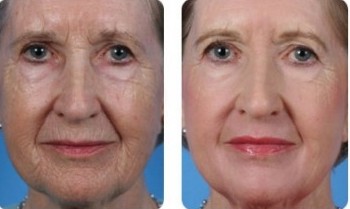
What Is a MicroLaserPeel?
A MicroLaserPeel is a light form of laser resurfacing. A Sciton erbium laser removes a micro-thin layer of the skin’s surface (thinner than a sheet of printer paper) and fresh skin grows in to replace it. It’s indicated for dull, rough skin texture, fine lines, mild sun damage and blotchy pigment. There are about three to five days of peeling afterward.
People call it the “weekend peel,” and that’s about as accurate a description as you’re going to get: do it on Friday, flake through Saturday and Sunday and most people are fine to go into work on Monday. Here’s what you can expect from a MicroLaserPeel at our Upper East Side practice, from the first pass of the laser right through to the last flake.
How does a MicroLaserPeel work?
The laser wavelength (2,940 nm) is one that water soaks up almost completely. Your outermost skin cells are predominantly water. Put those two together and each pulse essentially just vaporizes a very thin, precise slice of surface without actually cooking the tissue underneath. The depth is set in microns before the first pass, and a scanner (not a hand) then lays the beam down in a perfectly even grid. Contrast that with an acid peel, where the solution can pool in a fold and go significantly deeper in that area than anywhere else.
What’s removed is the layer of dead, sun-weathered skin cells that gives the skin a flat, dull, rough appearance. The skin underneath then begins to rebuild immediately. A milder form of the same process occurs with any form of resurfacing treatment. Our overview of laser skin resurfacing puts the MicroLaserPeel in context in terms of how aggressive it is (from the very mild to the very aggressive). The deeper erbium or CO2 resurfacing will remove a lot more tissue and will typically be associated with a week or two of healing time. The MicroLaserPeel is a bit less aggressive in terms of tissue removal and comes with a significantly shorter recovery period.
What can a MicroLaserPeel fix?
Surface stuff really. A complexion that just looks flat no matter what serum you put on it; sandpapery patches on the cheeks; fine creases around the eyes and mouth; freckles and patchy pigmentation from the summers on Fire Island or just the years of lunchtime walks down Fifth Avenue. Shallow acne marks can be improved. Deep pitted scars generally require a more aggressive approach.
It won’t lift sagging skin and it won’t get rid of the deep lines that form when you frown or squint (those are lines from muscle movement). Think of it as resurfacing the paint rather than repairing the drywall. The face is the usual area of treatment but the neck, chest and backs of the hands are also very commonly treated.
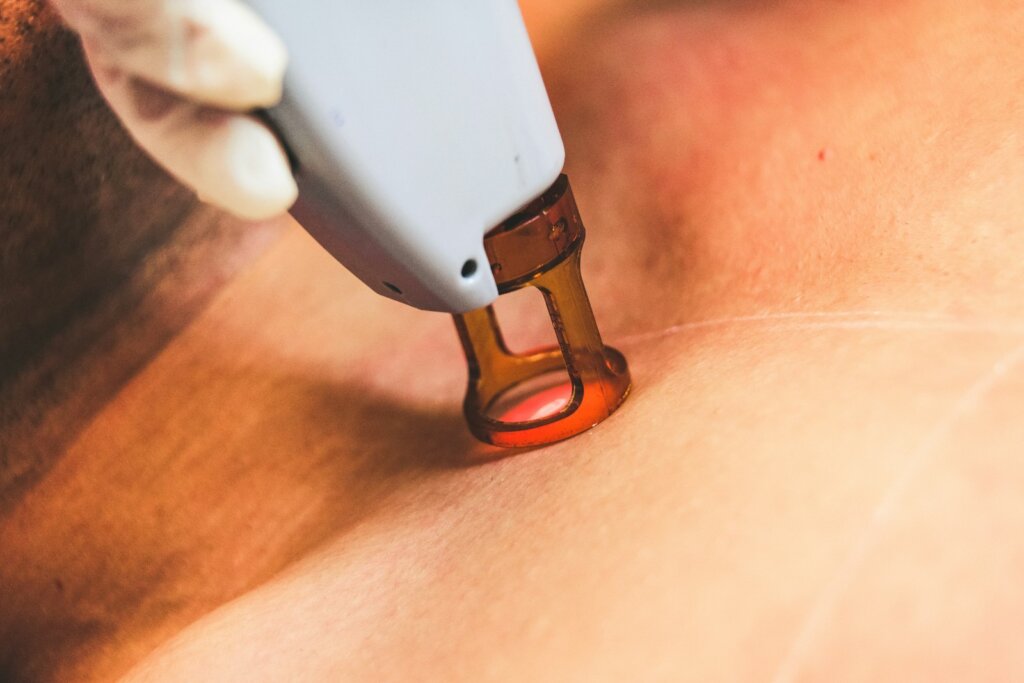
What is recovery like after a “weekend peel”?
Right after treatment the skin looks slightly frosted and feels like a sunburn (warm and tight). That frosted appearance is dehydrated surface skin and that’s precisely what will peel. Redness and mild swelling are normal on day one.
Days 2 to 4 are the flaky bit. The skin becomes a little darker (a bit like a bronzed, papery mask) and then flakes away in very fine flakes, generally starting around the mouth and nose. It’s not painful really, just a bit itchy and rather unglamorous. Most people are finished peeling by day 4 or 5 and the skin underneath is pink at first, then becomes smoother and brighter over the next week or so. Plan around it. A Thursday treatment before a Saturday wedding is asking for trouble.
The six weeks afterwards are where the results are either kept or lost. Fresh skin burns very quickly and can pigment unevenly, so sunscreen goes on every morning and gets reapplied, and a wide-brimmed hat is a must if you’re going to be out in the sun for any length of time. That’s why the November to February treatment makes such good sense here: the sun is low and you don’t really get any looks for wearing a hat.
How should you prepare, and what aftercare helps?
A week before treatment, your provider may ask you to stop retinoids, exfoliating acids and scrubs and to avoid waxing on the area. Tanning of any kind (including self-tanner) is off the table. If you get cold sores, let them know, as an antiviral is often started beforehand; the laser can trigger an outbreak. Our article on what to avoid before skin treatments has a bit more detail on the usual pre-appointment rules.
Aftercare is brief and rather dull. Just wash with a mild cleanser, apply the healing ointment or moisturizer you were given and leave the flaking alone as picking at it early can leave pink or dark marks. Makeup has to wait until the flaking has stopped. Hot yoga, long runs along the East River and the sauna are all out for the first couple of days at least.
Who is a good candidate, and how many sessions?
The ideal candidate is someone whose concern is texture, tone or fine lines rather than deep folds or loose skin. They’re the sort of person who can actually stay out of the sun for six weeks (a February beach trip on the calendar? Just schedule it around that). You’ll be asked about any recent isotretinoin, any history of scarring or dark marks following scrapes, and your natural skin tone, as deeper skin tones generally require a more conservative approach. Not sure where you fall in terms of skin tone? That’s precisely why the consultation is so important.
Many people will see a very clear difference after just one treatment. Some people opt for a short series or a yearly refresh and the MicroLaserPeel can be combined with other treatments as part of a personalized plan. For a fairly neutral overview of resurfacing in general, the American Society for Dermatologic Surgery’s page on laser resurfacing is a good one to look at.
Frequently asked questions
Does a MicroLaserPeel hurt?
Less than most people would expect actually. On light settings, a lot of people skip the numbing completely. The deeper passes will have a topical anesthetic applied first. You get a quick heat and a prickle and then a sunburn-type warmth for a few hours.
How is a MicroLaserPeel different from a chemical peel?
The laser strips the skin off to a set, even depth, whereas the acid peels can penetrate quite unevenly. The recovery is pretty much the same as with a medium to light peel.
How long does a MicroLaserPeel take?
The treatment itself generally takes about 30 minutes (this will depend on the size of the area) plus the time for numbing if that’s required. Most people are in and out in under an hour and a half.
Book a MicroLaserPeel on the Upper East Side
At VisoDent NY, a MicroLaserPeel consultation involves a look at your skin, your goals and your calendar so that recovery can happen when it’s convenient for you. We’re at 903 Park Ave, New York, NY 10075, or call 212-991-9095 to book on the Upper East Side.