
What is Tooth Splinting and Can It Help a Cracked Tooth?
Did you know nearly 20% of adults face dental trauma, leading to tooth fractures? This fact shows how vital it is to know about good treatments for damaged teeth. Tooth splinting is one such method that could save a cracked tooth.
Tooth splinting bonds a weak or broken tooth to its healthy neighbors. This makes the tooth stable, helping it heal. Many people worry about a cracked tooth, fearing pain or sensitivity. The thought of losing the tooth is scary.
But splinting does more than just hold things together. It’s like a splint for a broken bone. It helps the tooth heal by fixing the periodontal ligament and tissues around it. This makes splinting a great choice for fixing cracked teeth.
Key Takeaways
- Tooth splinting is a technique that bonds a fractured tooth to adjacent healthy teeth.
- This method allows for proper healing of the affected tooth.
- Many patients experience anxiety regarding cracked teeth, fearing extraction.
- Splinting is a biologically sound intervention, not just a temporary solution.
- It promotes healing of the periodontal ligament and surrounding tissues.
Understanding Tooth Splinting
Tooth splinting is a key method for handling dental injuries. It helps keep teeth stable after trauma. This ensures they heal properly and stay healthy.
Definition of Tooth Splinting
Tooth splinting uses a device to support or protect teeth. It stops further harm to the pulp and gums. This helps teeth heal better by keeping them from moving.
Historical Background
The idea of tooth splinting started in the early 1900s. Wilkinson’s 1918 study showed how important the periodontal membrane is. By 1990, more research showed that keeping teeth stable helps them heal better.
Purpose and Benefits
The main goal of tooth splinting is to keep teeth stable after injury. This helps the gums and nerves heal. The benefits include:
- Enhanced Healing: It makes healing easier.
- Protection: It keeps teeth safe from more harm.
- Stability: It makes loose or cracked teeth more stable.
| Benefit | Description | Impact on Dental Health |
|---|---|---|
| Enhanced Healing | Facilitates the reorganization of periodontal fibers. | Reduces recovery time and improves outcomes. |
| Protection | Prevents further damage to traumatized teeth. | Maintains tooth integrity and health. |
| Stability | Provides support to loose or cracked teeth. | Improves dental function and patient comfort. |
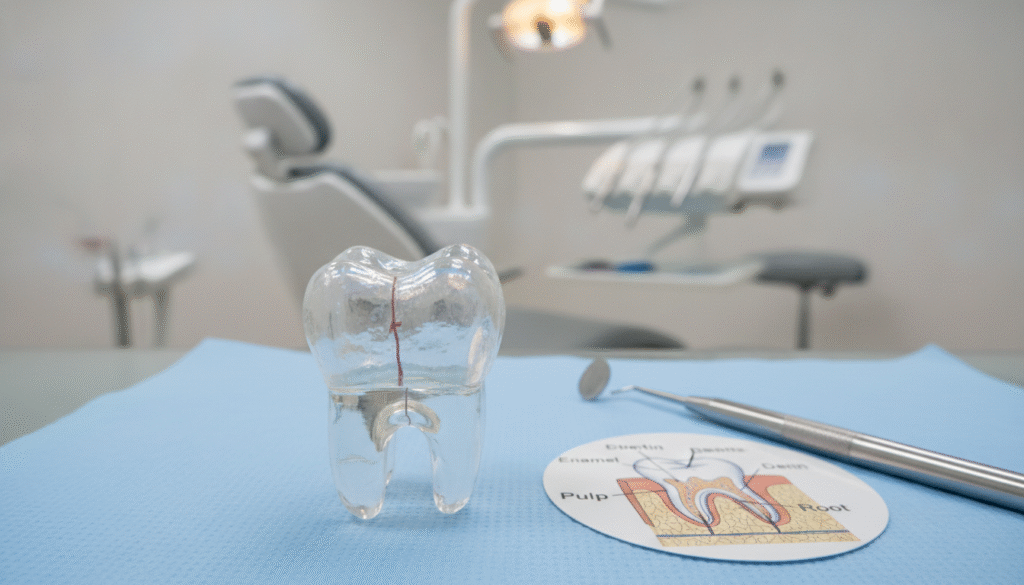
Common Conditions Treated with Tooth Splinting
Tooth splinting is a key treatment for many dental problems. It helps with issues like cracked teeth, loose teeth, and fractured roots. Knowing about these problems is key to good treatment and care.
Cracked Teeth
Cracked teeth come in different forms, each needing special care. The main types are:
- Craze Lines: These are small, surface cracks that usually don’t need treatment but can cause problems if ignored.
- Cuspal Fractures: These cracks hit the tooth’s cusps and can cause a lot of pain and sensitivity.
- Incomplete Vertical Root Fractures: These cracks go into the root and can make the tooth unstable.
Tooth splinting helps by spreading out the pressure from biting. This helps the tooth heal and eases pain. It also makes the tooth last longer.
Loose Teeth
Loose teeth can happen for many reasons, mainly:
- Primary Occlusal Trauma: This is often from too much biting, like from grinding teeth.
- Secondary Occlusal Trauma: This is from gum disease, which makes the bone around the tooth wear away.
Tooth splinting makes loose teeth stable. This makes eating less painful and stops the teeth from moving more. It helps keep your mouth working better.
Fractured Roots
Fractured roots are tough to treat because healing is hard. A semi-rigid splint helps by:
- Helping cementum repair
- Supporting the periodontal ligament
With a splint, dentists can help the tooth heal better. This increases the chance of a successful recovery.
The Process of Tooth Splinting
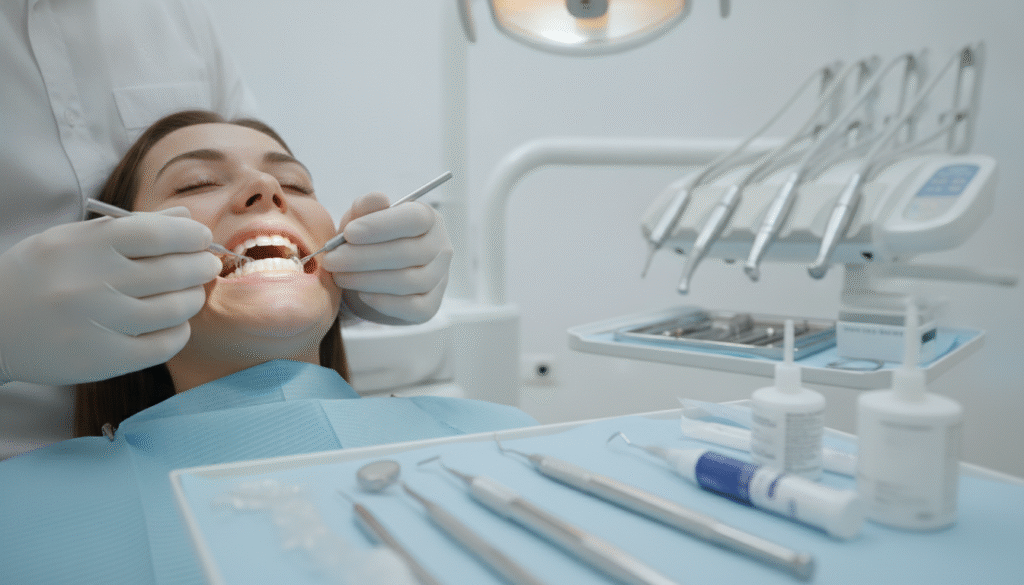
The journey through tooth splinting starts with a detailed consultation. The dentist checks the patient’s dental health during this visit. They use tests like palpation and percussion to see how the teeth are doing.
It’s important to know the patient’s history and symptoms. This helps the dentist create a good treatment plan.
Initial Consultation
In the first meeting, the dentist talks about the patient’s worries and hopes. They do a thorough check to find out what needs fixing. This step is key for the next steps in the tooth splinting process.
Diagnostic Imaging
Next, imaging is key in the treatment. The dentist uses X-rays and CT scans to see the teeth and bones. These images help the dentist plan the treatment carefully.
Treatment Procedure
The tooth splinting treatment usually happens in one visit, without anesthesia. Here’s what happens:
- Enamel Etching: The dentist etches the enamel to get it ready for bonding.
- Composite Application: A special material is applied to help the bond stick.
- Fiber Reinforcement: A glass fiber strand is bonded to the teeth. It makes a strong bond that looks good and works well.
This careful method makes sure the splint holds the teeth in place. It helps them heal and prevents more damage.
Material Used for Splinting
Different materials are used for tooth splinting, each with its own benefits and challenges. It’s important for dental experts and patients to know about these materials. The material chosen can affect how well the treatment works, including how long it lasts and how it looks.
Types of Splinting Materials
Tooth splinting materials fall into three main categories:
- Rigid Materials: Stainless steel wire over 0.5mm is strong and stable.
- Semi-Rigid Materials: Orthodontic wire (0.3-0.5mm) and nylon monofilament are flexible yet supportive.
- Flexible Materials: Nylon fishing line and fiber-reinforced composites are adaptable and look good.
Comparison of Materials
When looking at these materials, several things are important:
- Bonding Capability: Metal wires don’t bond well with composite materials, which can cause failures.
- Integration: Glass fiber bundles in a polymer matrix make a stronger structure.
- Weight: Flexible materials are lighter, making them more comfortable for patients.
Durability and Aesthetics
Durability is key when picking a splinting material. Fiber-reinforced splints stand out because they:
- Are clear and match tooth color, making them hard to see.
- Resist coming loose, providing a lasting fix for patients.
- Offer the right mix of strength and flexibility for holding teeth in place.
In summary, the material choice in dental splinting greatly affects treatment success. Dental experts can make better choices by knowing each material’s characteristics, leading to better patient results.
Benefits of Tooth Splinting for Cracked Teeth
Tooth splinting is key in managing cracked teeth. It relieves pain and makes teeth more stable. It also helps prevent more damage.
Pain Reduction
Tooth splinting benefits include a big drop in pain. A cracked tooth can cause sharp pain when biting. This pain comes from fluid moving in the tooth.
Tooth splinting stops this fluid flow. It makes biting less painful during everyday activities.
Stabilization of Teeth
Another big plus is that it stabilizes teeth. Teeth with cracks can move too much, causing pain when chewing. Splinting fixes this by linking the tooth to stable ones.
This makes chewing more comfortable. It also makes the tooth work better.
Prevention of Further Damage
Splinting also protects teeth from getting worse. It stops cracks from spreading to the pulp or root. This could lead to needing a root canal or tooth removal.
By keeping the tooth strong, splinting helps keep your mouth healthy for longer.
Potential Risks and Considerations
It’s important to know the risks of tooth splinting before you decide. This procedure can help fix cracked or loose teeth. But, it’s not without risks. Knowing these can help you keep your teeth healthy.
Allergic Reactions
Allergic reactions are rare but can happen. Some people might be sensitive to materials used in tooth splinting. Also, there have been cases of nickel sensitivity from stainless steel wires. Always tell your dentist about any allergies before the procedure.
Tooth Sensitivity
Tooth sensitivity is a common side effect. It can come from the etching process or from gaps between the splint and tooth. You might feel more pain when eating hot or cold foods after getting a splint.
Risk of Infections
Infections are a big worry with tooth splinting. If you don’t clean your teeth well, you could get cavities or gum problems. Keeping your teeth clean is key to avoiding this. Also, there’s a chance of bone problems if the splint is too tight or stays on for too long. This can cause the bone to fuse with the tooth, leading to issues.
Difference Between Temporary and Permanent Splints
It’s important to know the difference between temporary and permanent splints for dental care. These options help both patients and dentists make the right choices. Each type is used for different needs and conditions.
Short-Term Solutions
Temporary splints are for short-term use, often after a sudden injury. They are semi-rigid and stay in place for 7 to 14 days. Their main job is to keep the teeth stable while allowing them to move slightly.
This movement helps the healing process without causing permanent damage. It’s key for the teeth to heal properly.
Long-Term Stability
Permanent splints, on the other hand, are for long-term use. They are made of fiber-reinforced composite materials. These splints are needed for long-term conditions, like advanced periodontitis.
Even though they are called “permanent,” they don’t fix the disease. Instead, they provide support that needs regular care for the rest of the patient’s life.
| Type of Splint | Duration | Primary Use | Maintenance |
|---|---|---|---|
| Temporary Splint | 7-14 days | Acute trauma | Minimal |
| Permanant Splint | Indefinite | Chronic conditions | Ongoing |
In summary, knowing the difference between temporary and permanent splints is key for good dental care. Choosing the right splint helps patients recover better and keep their teeth healthy.
Expected Recovery Process
The recovery after tooth splinting is key for healing well. Knowing what to expect can help a lot. This part talks about the first steps, check-ups, and long-term care needed for a good recovery.
Immediate Aftercare
Right after the splinting, it’s important to follow certain steps to heal right. Eating soft foods for 1 to 2 weeks is a must. This helps the splint not to get too much stress.
Also, don’t bite or chew on the splint during this time. Keeping your mouth clean is also very important. Use special brushes or water flossers to clean around the splint well.
Follow-Up Visits
Going back to the dentist for check-ups is a must. They will do tests to see how the tooth is doing. These tests are done at 2, 4, and 8 weeks after the treatment.
They also take X-rays to look for any problems. This helps catch any issues early on.
Long-Term Maintenance
Keeping up with care is important for the splint to last. Regular dental cleanings help keep the splint clean. Also, know that you might need more treatment if the tooth gets sick.
| Recovery Stage | Action Required | Timeline |
|---|---|---|
| Immediate Aftercare | Follow a semi-solid diet, avoid clenching | 1-2 weeks |
| Follow-Up Visits | Pulp vitality testing, radiographic evaluation | 2, 4, 8 weeks |
| Long-Term Maintenance | Regular cleanings, monitor for pulp necrosis | Ongoing |
Tooth Splinting vs Other Treatments
Tooth splinting is a good alternative to traditional dental treatments. It compares to root canals, crowns, and dental implants. Knowing these differences helps patients choose the best for their teeth.
Root Canals
Root canals are needed when a tooth’s pulp gets infected. They remove the infected tissue to save the tooth. But, they don’t support a cracked tooth.
After a root canal, a splint might be used to keep the tooth stable. Tooth splinting helps root canals work better by adding support.
Crowns
Crowns are used to fix damaged teeth. They cover the tooth, making it strong and protected. But, they require a lot of tooth reduction.
Tooth splinting is less invasive. It keeps more of the natural tooth. This is good for those who want to keep their tooth whole while getting support.
Dental Implants
Dental implants replace a lost or damaged tooth’s root with a titanium post. But, they might not be right for young patients. Tooth splinting can be a temporary fix, keeping the natural tooth and bone until a permanent solution is found.
Choosing between tooth splinting and other treatments like extraction depends on the patient’s needs. A dental professional can help decide the best option.
Cost of Tooth Splinting
The cost of tooth splinting can change a lot. Knowing what affects it helps patients choose wisely for their dental care.
Factors Influencing Cost
Several things can change the cost of tooth splinting:
- Number of Teeth: The more teeth, the higher the cost.
- Type of Material: Using top-notch materials, like fiber-reinforced composites, can cost more.
- Complexity of the Case: Cases that need special skills cost more.
- Specialist’s Expertise: The dentist’s experience also affects the price.
Insurance Coverage
Insurance for tooth splinting can be tricky:
- Dental insurance might cover it for periodontal disease, but with limits.
- Medical insurance could cover it for trauma, depending on your policy.
- Always check with your insurance to know what’s covered.
Payment Options
There are ways to handle tooth splinting costs:
- Flexible Spending Accounts (FSAs): Use pre-tax dollars for medical costs.
- Health Savings Accounts (HSAs): Like FSAs, but for out-of-pocket expenses.
- Third-Party Financing: Many offices offer plans to pay over time.
Choosing tooth splinting can save your natural teeth. It avoids the costs of extraction and implants later on.
How to Prepare for Splinting Procedure
To make sure your tooth splinting goes smoothly, follow some key steps. Getting ready right can make you more comfortable and help the treatment work better.
Pre-Appointment Instructions
Keep your teeth clean before your visit. Brush and floss well. If you have heart problems, your dentist might ask you to take antibiotics to avoid infections.
Information to Provide Your Dentist
Tell your dentist about your health history during your visit. This includes:
- Any allergies, like to acrylates or metals.
- The details of how you hurt your tooth.
- Any health issues or medicines you’re on.
Sharing this info lets your dentist make the treatment just right for you.
What to Expect on Treatment Day
Your treatment will likely take one to two hours. Many people don’t need local anesthesia because it’s not painful.
Your dentist will prepare your teeth, etch them, and bond the splint. They use a light to cure the bond, making it strong and painless.
Knowing what to expect can ease your worries and prepare you for a good tooth splinting experience.
Managing Pain and Discomfort Post-Procedure
After tooth splinting, taking care of yourself is key to feeling better. You might feel some pain as you heal. Knowing how to handle this can make your recovery easier.
Pain Relief Options
There are many ways to ease pain:
- Over-the-Counter Analgesics: Ibuprofen or acetaminophen can help with pain and swelling.
- Cold Compresses: A cold pack on the area can reduce swelling and ease pain.
Diet Recommendations
Your diet is important for healing. For the first 1-2 weeks, eat soft foods. Include:
- Yogurt
- Scrambled eggs
- Pasta
Avoid hard, crunchy, or sticky foods to keep the splint in place.
When to Seek Help
Some pain is normal, but watch for these signs:
- Sharp, ongoing pain could mean pulp necrosis.
- A loose or debonded splint.
- Swelling or discharge that looks infected.
Frequently Asked Questions About Tooth Splinting
Understanding tooth splinting can ease patient worries. We’ll cover common questions about the procedure, how long it lasts, and what to expect.
How long does a splint stay on?
The time a splint stays on varies. Temporary splints for injuries last 7 to 14 days. Permanent ones, for ongoing issues, stay on forever, giving lasting support.
Can a splint be removed?
Yes, dentists can remove temporary splints. They use a special tool to cut through the material without harming the tooth. This is a simple process that usually doesn’t hurt.
Is tooth splinting reversible?
Tooth splinting is mostly reversible. After removal, the tooth acts on its own again. But, the underlying issue, like bone loss, might not go away. That’s why some splints are kept in place permanently for ongoing support.
| Aspect | Temporary Splint | Permanently Splint |
|---|---|---|
| Duration | 7-14 days | Indefinitely |
| Removal | Easy, by dentist | Requires professional assessment |
| Reversibility | Yes | Generally reversible, but condition may persist |
Conclusion: Is Tooth Splinting Right for You?
Tooth splinting is a great option for people with cracked or loose teeth. It not only relieves pain but also keeps the teeth stable. This helps prevent more damage and improves your oral health in the long run.
Before getting tooth splinting, it’s important to talk to a dentist. A skilled dentist or endodontist will check your teeth and take X-rays. This makes sure the treatment fits your needs. Not all cracks can be fixed with splinting, so getting expert advice is key.
Once you get a diagnosis, be involved in your treatment plan. Ask your dentist about the splint type, what to expect, and how to keep your teeth healthy. Knowing this helps you make smart choices for your dental health.
To sum up, tooth splinting is a proven way to improve life for those with damaged teeth. By getting professional advice and staying informed, you can protect your smile.
