Will a repaired tooth look and feel normal when I bite?
Did you know nearly 70% of adults have had a broken tooth? This shows how common dental problems are. They can mess up your smile and how you chew.
A broken tooth is more than a cosmetic issue. It means your tooth’s natural defense is broken.
When thinking about if a fixed tooth will feel right, understanding occlusion is key. Occlusion is how your upper and lower teeth line up and touch. A balanced bite spreads pressure evenly, but an uneven one can cause pain and uneven wear.
Modern dentistry has made big strides, but how a fixed tooth feels can differ for everyone. The type of fix, how well it’s done, and the health of the tooth around it matter. Also, how you feel about it can change over time.
In this article, we’ll look at how looks and function work together in dental fixes. We’ll talk about what to expect after fixing a tooth, including the science and how your mind adapts.
Key Takeaways
- A broken tooth affects both aesthetics and functionality.
- Occlusion is key to understanding how your bite feels post-repair.
- Modern dentistry offers various restoration options for better outcomes.
- Individual experiences with tooth repairs can vary widely.
- Adaptation to a repaired tooth involves both physical and psychological factors.
Understanding Tooth Repair Options
Knowing about tooth repair options is key to good dental care. Dental repairs fix both how teeth work and how they look. There are many ways to fix teeth, each for different problems.
Types of Dental Repairs
Dental repairs fall into two main groups: direct and indirect restorations.
- Direct restorations: These are done right on the tooth in one visit. Examples are composite bonding and amalgam fillings, good for small to medium damage.
- Indirect restorations: These need to be made in a lab and are for bigger problems. Choices include inlays, onlays, and crowns, which last longer and look better.
Materials Used in Repairs
The materials used for repairs affect how long they last and how they look. Some common ones are:
- Composite resins: These look natural but may wear down over time.
- Porcelain: It keeps its color well and is safe for your body, making it great for looks.
- Zirconia: It’s very strong and often used in tough spots.
Choosing the Right Repair Method
Choosing the right fix involves looking at a few things:
- How much tooth is left
- How hard you bite
- If you grind your teeth
- What you want it to look like
Each of these factors is important for the dentist’s advice. They make sure the fix fits your needs and life.
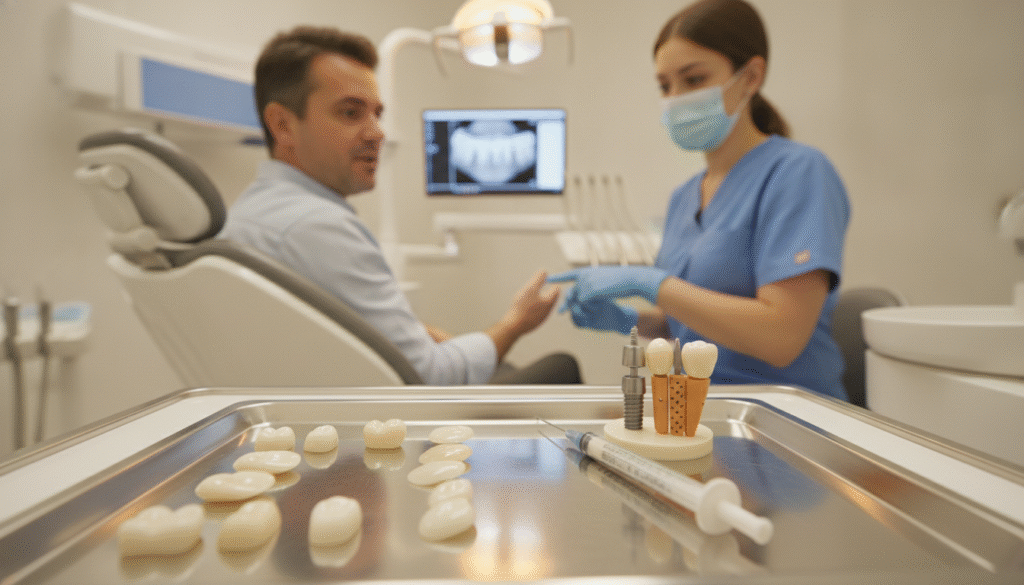
The Aesthetic Aspect of Tooth Repairs
The look of a fixed tooth is key to patient happiness. People want their teeth to look natural and work well. Knowing how to make teeth look good is important for a better dental visit.
Color Matching with Natural Teeth
Getting the right color is a big part of making teeth look natural. Dentists use special tools to match tooth colors. This makes the fixed tooth blend in with the rest.
Even with these tools, colors might not always match perfectly. Things like light and the type of material used can affect how the tooth looks. For example, materials like bonding and porcelain try to look like real enamel but might not always succeed.
Surface Texture Differences
The feel of a fixed tooth is also important. Natural teeth have unique textures that make them look real. Dentists try to copy these textures to make the tooth look natural.
Not matching the texture can affect how the tooth looks and even the gums. A tooth that’s too smooth might get plaque easily, which can harm the gums. So, getting the texture right is key for both looks and health.
Long-Term Appearance of Repairs
How long a fixed tooth looks good depends on the materials and how well it’s cared for. For example, some materials can stain from things like coffee. But others, like glazed porcelain, stay color-stable longer.
Also, the edge where the fixed tooth meets the real one can sometimes get discolored. This shows how important choosing the right materials and keeping good oral hygiene are for keeping the tooth looking good.
| Material Type | Color Stability | Texture Replication | Staining Potentia |
|---|---|---|---|
| Composite Resin | Moderate | Good | High |
| Porcelain | High | Excellent | Low |
| Bonding Materials | Variable | Fair | Moderate |
Factors Influencing the Feeling of a Repaired Tooth
The way a repaired tooth feels can change based on several factors. These factors affect how comfortable and functional the tooth is. Knowing about these elements helps patients deal with their tooth repair better.
Sensation and Comfort Post-Repair
Patients feel different sensations after a dental repair. This difference comes from how sensitive our teeth and gums are. Our gums can even feel objects as thin as 8-10 microns between teeth.
Even a tiny change in a tooth can cause discomfort. This discomfort might feel like something is wrong, even if the dentist says it’s okay. As one patient said,
“I felt like something was off, even though my dentist assured me everything was fine.”
This feeling is common and shows how important it is to talk to your dentist.
Nerve Sensitivity Considerations
Nerve sensitivity is key in how a tooth feels after repair. Patients might feel different kinds of sensitivity. For example, reversible pulpitis is a short-term sensitivity to cold or hot. But irreversible pulpitis is a more serious problem.
The size of the cavity and how close it is to the pulp chamber matter a lot. Also, the materials used can change how the tooth feels with temperature changes. This shows why it’s important for patients to know their own experiences.
Bite Alignment and Pressure Distribution
Bite alignment is also important for how a tooth feels. A balanced bite spreads pressure evenly. But an uneven bite puts too much pressure on some teeth, causing discomfort.
Dentists say,
“A filling that is a fraction of a millimeter too tall can create pressure that your mouth reads as ‘off.'”
This can make your jaw muscles work harder, leading to fatigue or jaw pain.
In short, knowing what affects how a tooth feels after repair is key for comfort and function. Talking openly with your dentist can help make your dental experience better.
Potential Concerns After Tooth Repair
After a tooth repair, patients might face some unexpected problems. Knowing about these issues can make recovery smoother and improve biting comfort.
Common Issues: Discomfort or Sensitivity
Discomfort or sensitivity is common after dental repairs. This can come from several sources, including:
- Occlusal trauma: An uneven bite can put extra pressure on the repaired tooth and nearby areas.
- Pulpal inflammation: This can happen due to the procedure itself, causing ongoing sensitivity.
- Microleakage: Poor bonding can let bacteria in, causing pain.
Sharp pain when biting can mean a cracked tooth. Sensitivity to hot or cold foods often points to pulp issues, needing more checks.
Warping or Cracking of Materials
The quality of dental repair materials is key. Issues can include:
- Cohesive fractures: These happen within the material and can weaken the repair.
- Adhesive failure: This is when the bond between the tooth and the repair fails, often due to moisture.
- Fatigue failure: Excessive wear from grinding teeth can cause cracks in some materials.
These problems can affect the repair’s long-term success. It’s important to watch for any signs of damage.
How to Address Repair Problems
Fixing repair problems starts with finding the cause. Dentists use different methods, including:
- Clinical examination: A detailed check can spot visible problems.
- Diagnostic tests: Tests like percussion and thermal testing help find sensitivity.
- Bite registration: This ensures the bite is right and even.
Small problems can often be fixed with simple adjustments. But if issues don’t go away, more serious steps like replacing the repair or root canal might be needed. Talking to your dentist early can help avoid bigger problems.
The Role of Your Dentist in Tooth Repair
Choosing the right dentist is key for fixing your teeth. A good dentist makes sure your bite feels right after a procedure. Their skills help keep your teeth healthy and your mouth comfortable.
Look for a dentist with the right training and experience. Those who know about occlusion and biomaterials are best for complex repairs. Places like the Dawson Academy and Kois Center teach dentists about occlusal dynamics, which is important for a comfortable bite.
Importance of Choosing a Qualified Dentist
A skilled dentist can greatly improve your tooth repair’s success. They check not just the damaged tooth but how it fits with your mouth. This ensures your bite stays balanced and works well.
Communication About Expectations
Talking well with your dentist is very important. You should tell them what you want your teeth to look like and any dental sensitivity you’ve had. Dentists should explain what they can do, what you might feel after, and how long it might take for your mouth to adjust.
Regular Follow-Up Appointments
After fixing your teeth, you’ll need to see your dentist regularly. They’ll check how your bite is doing and might make small changes. This keeps your teeth and mouth healthy over time.
| Aspect | Importance | What to Discuss |
|---|---|---|
| Qualifications | Ensures expertise in procedures | Training in occlusion and biomaterials |
| Communication | Facilitates better outcomes | Aesthetic expectations and sensitivity |
| Follow-Ups | Monitors healing and adjustments | Post-operative sensations and bite comfort |
In conclusion, your dentist does more than just fix your teeth. They help you get a normal bite after a dental procedure. This makes sure you’re comfortable and confident with your smile.
Immediate Aftercare for Tooth Repairs
After a tooth repair, you might feel different sensations. It’s important to know what to expect for a smooth recovery.
First, you might feel the effects of local anesthesia. This can change how you feel about biting for a few hours. Your gums might feel a bit sore because of the tools used. The periodontal ligament needs 24-48 hours to adjust, which can also affect your bite.
What to Expect After the Procedure
Right after the procedure, rinse your mouth with warm water. This cleans the area and removes any debris. You can usually eat and drink again soon. But, avoid hard or sticky foods for a day to let the repair settle.
Recommended Dietary Adjustments
Your diet is key to healing. For example:
- Composite bonding patients should avoid staining foods for 24 hours.
- Temporary crown wearers should avoid sticky foods to prevent dislodgment.
- All should eat soft foods and chew on the opposite side to ease discomfort.
Pain Management Tips
Some pain is normal after a tooth repair. Over-the-counter pain relievers like ibuprofen or acetaminophen can help. But, if the pain is severe or doesn’t get better, see a dentist right away.
Knowing these tips can make your initial recovery easier. Changing how you chew can also help with long-term comfort.
Long-Term Care for Repaired Teeth
Long-term care is key to keeping repaired teeth strong. It involves good oral hygiene, regular dental visits, and lifestyle changes. These steps help keep your dental work healthy and lasting.
Maintaining Oral Hygiene is the first step. Brush twice a day and floss every day. Pay extra attention to areas around crowns and fillings, where bacteria can hide.
Some materials used in repairs can attract plaque more than natural teeth. So, a custom oral hygiene plan is important. Using fluoride toothpaste can also strengthen your teeth.
Regular Check-Ups and Professional Cleanings are also critical. Dentists can spot problems early with tools like magnification. These visits help catch issues before they get worse.
Stick to your dentist’s recommended visit schedule. These appointments are for more than just cleaning. They help keep your dental repairs in top shape.
Lifestyle Changes for Better Longevity can also help. Avoid using your teeth as tools and don’t bite hard objects. If you grind your teeth, wear a guard to protect your dental work.
Also, eating less acidic foods can help protect your teeth. These small changes can make a big difference in how long your repairs last.
In summary, working together with your dentist is essential for your teeth’s long-term health. By keeping up with oral hygiene, visiting your dentist regularly, and making smart lifestyle choices, you can keep your dental repairs looking and feeling great for years.
Comparing Temporary vs. Permanent Repairs
When thinking about fixing teeth, it’s key to know the difference between temporary and permanent fixes. Each type has its own role in dental care. Understanding their strengths and weaknesses helps patients make better choices.
Limitations of Temporary Solutions
Temporary fixes, like provisional crowns, are made with certain limits in mind. These include:
- Reduced Durability: Temporary materials are not as strong as permanent ones, so they can wear out easily.
- Lower Fracture Toughness: They can’t handle a lot of chewing pressure, which might cause them to break.
- Short Service Life: These fixes are only meant to last for a short time. Switching to a permanent fix is needed to avoid problems.
Waiting too long to switch from a temporary to a permanent fix can lead to problems. This includes leaks, more cavities, and even issues with the tooth pulp.
Benefits of Permanent Repairs
Permanent fixes, like crowns made from strong materials, have many advantages:
- High Flexural Strength: These materials can handle more force, making them last longer.
- Excellent Marginal Adaptation: With the right cement, permanent fixes fit better, reducing the chance of problems.
- Color Stability: Glazed porcelain surfaces don’t stain easily, keeping them looking good for years.
These fixes not only make the tooth look right but also work well, handling normal chewing forces.
Durability and Lifestyle Compatibility
The life of a fix depends on several things, including:
- Occlusal Forces: The pressure from biting affects how long it lasts.
- Dietary Habits: Eating hard or sticky foods can wear it down faster.
- Parafunctional Behaviors: Grinding teeth can damage both temporary and permanent fixes.
A well-made porcelain crown can last 15 years or more. Composite bonding in tough spots might need to be replaced in 5-7 years. Both can be considered successful if they fit the right situation.
Psychological Impact of Tooth Repair
Fixing a tooth can really boost a person’s self-esteem and how they interact with others. The effects of dental restoration go beyond looks. They change how people see themselves and connect with others. Many say they feel more ready to smile and join in social events after fixing their teeth.
Improving self-confidence is a big win from tooth repair. When dental flaws are fixed, people often see themselves in a new light. This confidence boost can make them more outgoing and improve their relationships.
Boosting Self-Confidence
The link between dental looks and self-esteem is clear. A good smile can make a big difference in how people are seen. Many patients say their fixed teeth let them smile without worry.
Addressing Anxiety About Dental Work
Many fear going to the dentist. This fear can come from bad past experiences or worries about pain. Dentists use different ways to help manage this fear, like:
- Clear explanations of procedures
- Stop-signal protocols that give patients control during treatment
- Pharmacological options for sedation when necessary
The Role of First Impressions
Dental looks play a big part in how we first see someone. Visible dental issues can make us think less of someone’s intelligence or trustworthiness. Fixing teeth can change these first impressions, helping people connect better in all areas of life.
| Aspect | Impact of Tooth Repair | Psychological Benefits |
|---|---|---|
| Self-Confidence | Increased willingness to smile | Improved self-image |
| Anxiety Management | Reduced fear of dental visits | Enhanced comfort during procedures |
| First Impressions | Positive social interactions | Greater professional opportunities |
In conclusion, fixing teeth has a big psychological impact. It not only makes people look better but also boosts confidence and social skills. For those thinking about dental work, knowing these benefits can help make a decision. For more info on tooth repair, visit this page.
Cost Considerations for Tooth Repairs
It’s important to know the cost of tooth repairs. Prices can change a lot based on different things. Knowing this helps plan for dental care.
Prices for tooth repairs can be simple or complex. Here are some general price ranges:
- Composite Bonding: $100 – $400 per tooth
- Porcelain Veneers: $500 – $1,500 per tooth
- Crowns: $800 – $2,500 per tooth
Prices can change based on the repair, materials, and where you are. Bigger chips might cost more.
Insurance Coverage for Dental Repairs
Many wonder about insurance for tooth repairs. Dental plans group procedures into three types:
- Diagnostic/Preventive: Usually fully covered.
- Basic Restorative: Includes bonding, often covered at 80% after the deductible.
- Major Restorative: Includes crowns and veneers, often subject to 50% coinsurance after the deductible.
Knowing these groups helps use insurance better and save money.
Financial Planning for Dental Procedures
Planning is key for tooth repair costs. Here are some tips:
- Use Flexible Spending Accounts (FSAs) or Health Savings Accounts (HSAs) to pay with pre-tax dollars.
- Look into third-party financing like CareCredit for interest-free periods.
- Talk to your dentist about spreading costs over time.
These strategies help manage tooth repair costs. They ensure you get the care you need without financial worry.
Common Myths About Tooth Repairs
Misunderstandings about tooth repairs can lead to bad dental choices. It’s key to clear up these myths to help patients make better choices. This section will tackle common wrong ideas about the strength, sensitivity, and looks of fixed teeth.
Debunking Misconceptions about Durability
Many think fillings and repairs make teeth stronger. But, fillings are just fixes, not improvements. When we prepare for a filling, we often lose healthy tooth parts. This means the fixed tooth might not be as strong as it was before.
Modern dentistry has made big strides. Yet, no repair can perfectly match the natural tooth’s structure.
Understanding Sensitivity Myths
Some believe if a tooth doesn’t hurt, it’s fine. But, this is not true. Serious dental problems, like deep cavities or cracks, might not hurt at first. The body’s way of fixing teeth can hide these issues.
It’s important to see a dentist even without pain. Waiting for pain can lead to more serious and expensive problems.
Clarifying Aesthetic Misunderstandings
People often think dental fixes are completely invisible. Modern materials can match tooth colors well. But, how colors look can change under different lights.
Even with great materials, the fixed tooth might not look exactly like a natural one. Knowing this helps set more realistic beauty goals for dental fixes.
Preparing for Your Dental Appointment
Knowing how to prepare for your dental visit can make you more involved in your care. It turns a passive experience into a team effort with your dentist.
Here are some key things to think about:
Questions to Ask Your Dentist
It’s a good idea to write down questions before your visit. This helps you get all the info you need about your dental repair. Ask things like:
- What is the expected lifespan of the proposed restoration?
- What materials will be used, and what evidence supports their effectiveness?
- How many appointments will be required for the complete procedure?
- What should I expect in terms of post-operative discomfort and activity restrictions?
- If the restoration does not meet expectations, what is the contingency plan?
- What is your experience with this specific procedure?
- Are there any medical conditions or medications I should discuss that may affect treatment?
What to Bring to Your Appointment
Having the right documents can make your visit smoother. Be sure to bring:
- A current list of medications, including over-the-counter supplements.
- Your dental insurance information.
- Any relevant medical clearance documentation, such as for prosthetic heart valves or recent joint replacements.
- A prioritized list of questions to ensure you cover the most important topics.
Also, eat before appointments with local anesthesia to avoid hypoglycemia during longer procedures.
Understanding the Repair Process
Knowing what to expect can help reduce anxiety. Here’s what usually happens during your dental appointment:
- Initial examination and diagnostic imaging, such as X-rays.
- Treatment planning based on the examination results.
- Administration of anesthesia to ensure comfort during the procedure.
- Preparation of the tooth for repair.
- Taking impressions or digital scans for accurate restoration.
- Placement of provisional restoration, if necessary.
- Final cementation during a follow-up visit.
By understanding these steps, you can feel more at ease and involved in your care. This leads to a more normal bite after dental procedure.
Exploring Alternative Options for Damaged Teeth
Looking into different treatments for damaged teeth is key for good dental care. It’s important to know when a tooth needs to be pulled. Also, understanding the differences between dental implants and repairs is vital. Plus, knowing how orthodontics can help is essential for a full view of dental health.
When to Consider Extraction
At times, a tooth’s damage is too much for repair. Pulling the tooth is seen as a last option, but it can be the best choice. Reasons for pulling a tooth include:
- Vertical root fractures extending below the alveolar crest
- Caries that reach into the furcation of multi-rooted teeth
- Insufficient remaining coronal structure to retain a restoration
- Advanced periodontal disease with severe attachment loss
Remember, pulling a tooth doesn’t mean treatment failed. It’s a careful decision based on the tooth’s survival chances.
Dental Implants vs. Repairs
When thinking about fixing a tooth, it’s important to compare dental implants to traditional repairs. Implants have a high success rate, often over 95%. But, they’re not always better than fixing the natural tooth. The choice between an implant and a repair depends on the specific case.
The idea of the “endodontic-implant continuum” suggests making a choice based on predictability and long-term success. It’s not just about keeping the natural tooth at all costs.
The Role of Orthodontics in Tooth Repair
Orthodontics is key for tooth restoration success. Teeth that are not aligned can put too much stress on repairs, making them fail. Orthodontic treatment before fixing a tooth can align it properly, making repairs more likely to succeed.
Adding orthodontics to the treatment plan can make tooth restoration more effective. It shows the importance of a complete approach to dental care.
| Option | Pros | Cons |
|---|---|---|
| Extraction | Clear solution for irreparable damage | Loss of natural tooth structure |
| Dental Implants | High success rate, preserves bone structure | Requires surgery, higher cost |
| Tooth Repairs | Maintains natural tooth, less invasive | May not be suitable for extensive damage |
The Science Behind Tooth Repair Technology
Science and technology are changing tooth repair methods. This change comes from new dental materials and techniques. These advancements make dental fixes better and look nicer.
Advances in Dental Materials
Dental materials have changed a lot over time. We started with old dental amalgam. Now, we have new composites and nanohybrid materials. These are stronger and last longer.
Also, silane coupling agents help materials stick together better. This makes repairs last longer and resist wear and tear.
New materials like bioactive glass and calcium silicate cements are also being used. They help teeth heal by releasing ions. This adds extra protection and healing.
The Role of Technology in Accurate Repairs
Technology is key for precise tooth repairs. Intraoral scanners take detailed pictures of teeth. This ensures restorations fit perfectly.
Computer-aided design (CAD) software helps plan restorations. It checks how teeth fit together before making them. This means fewer changes during the procedure.
Milling units and 3D printers make restorations that are better than old methods. New tools like optical coherence tomography and laser fluorescence help find problems early. This means fixing issues before they get worse.
Future Trends in Tooth Restoration
The future of tooth repair looks bright. New ideas like 3D printing teeth with stem cells could change dentistry. Smart materials that react to changes in teeth are also coming.
Artificial intelligence will help design restorations. It will use data from successful treatments. This means treatments will be more tailored to each patient.
| Material Type | Advantages | Applications |
|---|---|---|
| Dental Amalgam | Durable, cost-effective | Fillings for posterior teeth |
| Microfilled Composites | Excellent polishability, aesthetic | Anterior restorations |
| Bioactive Glass | Promotes remineralization | Cements, fillings |
| 3D Printed Materials | Precision, customization | Restorations, prosthetics |
Knowing about these advancements is important if you’re thinking about tooth repair. Regular dental check-ups and cleanings keep your teeth in good shape. For more dental health tips, visit this page.
Seeking Second Opinions for Tooth Repairs
Getting a second opinion on tooth repairs can offer new insights. It’s a smart move that helps you make better choices for your dental health. Sometimes, a fresh view can clear up doubts and show better options.
There are times when getting a second opinion is really important:
- When the treatment plan is big or can’t be undone.
- If there are many different treatment choices, each with its own risks and benefits.
- When it’s not clear if the treatment will work.
- If you keep having symptoms after treatment that your first dentist can’t explain.
When to Consider a Second Opinion
It’s okay to ask for a second opinion, even if it’s a tough case. Remember, even experts might disagree on the best way to fix a problem. If your bite feels off after dental work, you should get clear answers.
How to Approach Another Dentist
Being open is key when you ask another dentist for a second opinion. Here’s how to do it:
- Ask for copies of your X-rays and treatment history to share.
- Tell the new dentist you want a second opinion, don’t hide it.
- Choose a dentist who knows a lot about your problem and isn’t working with your first dentist.
The goal is to get a new view that helps you make a better choice, not just agree with what you already think.
Comparing Treatment Plans and Outcomes
When looking at different treatment plans, think about these things:
- Check if there’s solid evidence for each plan.
- Look at how long each option lasts in similar cases.
- Consider how invasive and costly each option is.
- Think about the upfront cost versus long-term value.
Making an informed choice is key to good dental results. By asking for a second opinion, you can make sure your treatment fits your needs and goals.
Patient Testimonials about Tooth Repairs
Many people have shared how tooth repairs changed their lives. For example, a professional had a tooth chip during a dinner meeting. Emergency bonding fixed the tooth and boosted their confidence for a big client meeting.
Another patient, who had bruxism, saw big changes after full-mouth rehab. The treatment fixed their biting issues and improved daily life. They felt more comfortable in social situations, showing the mental benefits of good dental care.
People who used to hide their smiles because of fillings found relief with porcelain veneers. They gained confidence in their personal and work lives. This shows how dental looks can affect how we feel about ourselves.
Those who learn about their treatments are often happier with the results. Studies show that knowing what’s happening and following up leads to better satisfaction. They’re happy knowing their teeth look and work well over time.
In the end, a fixed tooth can look and feel just like a natural one. With the right care and patient involvement, the results last. Dental restoration is both a science and an art, highlighting the need for quality care and clear communication.