What age can you do biorevitalization?
When Can You Start Biorevitalization Treatment?
What’s the right biorevitalization age? Most providers suggest starting somewhere between 25 and 30, but there’s no strict cutoff, and your skin matters more than your birth year.
Biorevitalization means injecting small amounts of hyaluronic acid into the skin. Hyaluronic acid holds onto water, so the treatment hydrates the skin from the inside and supports collagen, leaving it smoother and more elastic.
People in their 20s usually use it to stay ahead of dryness and fine lines. In the 30s it replaces some of the hyaluronic acid the skin naturally loses, and after 40 it works best alongside other treatments.
What Is Biorevitalization?
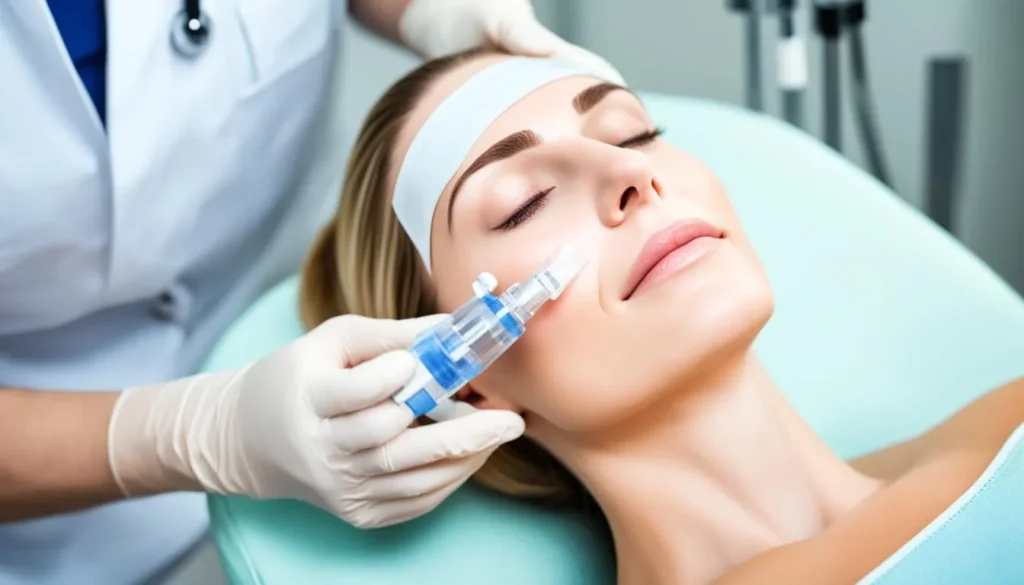
The technique was first studied in Italy and is now offered widely. A provider places tiny amounts of hyaluronic acid just under the surface of the face, neck, décolleté or hands to improve hydration, elasticity and overall skin quality.
Which product gets used depends on where you live. In Europe you’ll see names like Jalupro, Juvéderm Volite and Hyalual, none of which the FDA has approved. Here in the U.S., SkinVive by Juvéderm got FDA approval in 2023 for smoother cheeks in adults 21 and up.
A session takes about 30–60 minutes. Very fine needles keep it fairly comfortable, and most people need a short course of treatments to see the full effect. Results usually last several months, often up to about six.
What Age Can You Do Biorevitalization?
You can start in your mid-20s. At that point the goal is prevention: keeping skin hydrated before fine lines settle around the eyes and forehead.
In your 30s, the skin’s natural hyaluronic acid drops and the first lines and some loss of firmness show up. Biorevitalization restores moisture and elasticity, which is why many people begin here.
After 40, and especially after 50, deeper wrinkles, sun damage and loose skin are more common. Biorevitalization still helps skin quality, but providers usually pair it with peels, laser or other treatments for those concerns.
| Age Group | Common Skin Concerns | Recommended Treatment Frequency |
|---|---|---|
| 25-35 | Fine lines, around eyes and forehead | Series of 3–4 sessions for lasting benefits |
| 40+ | Defined lines, wrinkles, some skin laxity | Series of 3–4 sessions, then maintenance about every 6 months |
| 50+ | Visible wrinkles, sun damage, loose skin | Regular treatments with supportive procedures every six months |
What Affects the Right Time?
Your skin type and condition, sun exposure, smoking and genetics all play a part. Someone who spends a lot of time outdoors may see changes earlier and benefit from starting sooner.
What Does a Treatment Plan Look Like by Age?
From your early 20s to late 30s, a typical plan is 3–4 sessions spaced 2–4 weeks apart, then maintenance about every six months.
After 40, the plan often includes peels, laser or other skin treatments alongside biorevitalization. Products with amino acids and peptides are sometimes added, and maintenance usually continues once or twice a year.
Which Skin Concerns Does It Help?
It works especially well for dry, dehydrated skin, including skin damaged by sun or smoking. Because it boosts the skin’s own hyaluronic acid, the skin holds moisture better and looks healthier.
Skin also renews more slowly with age, which is one reason results can take longer to show in mature skin.
| Age Group | Skin Renewal Rate |
|---|---|
| Young Individuals | Every 20-30 days |
| Mature Individuals | Nearly twice as long |
Biorevitalization fits easily into an anti-aging plan. Providers often combine it with light peels, photorejuvenation or skin tightening, and many people schedule courses in winter, when skin tends to be driest.
How Do You Get Started?
Start with a consultation. The provider looks at your skin, talks through your goals and builds a plan.
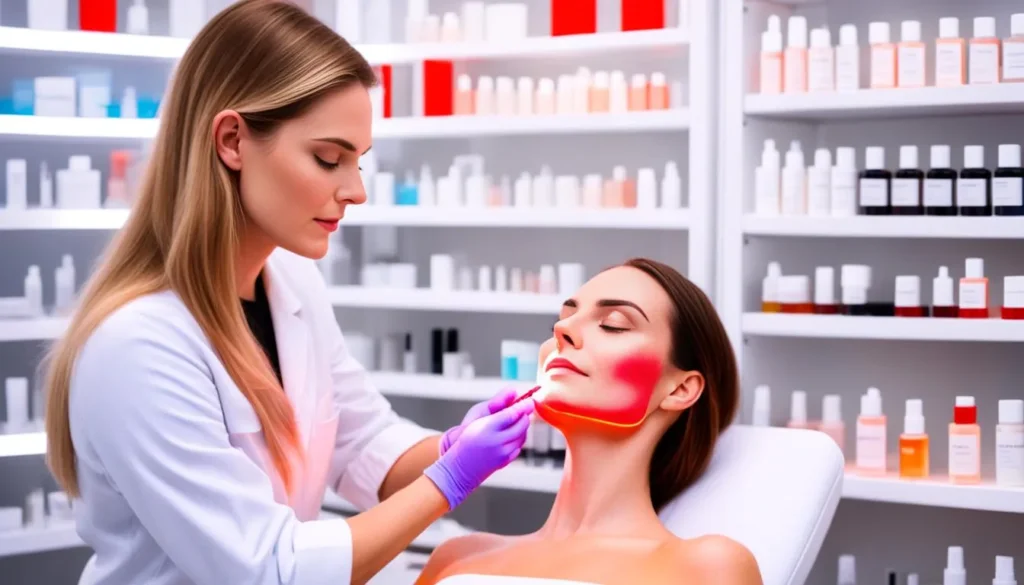
Before treatment, skip alcohol and supplements like vitamin E for 24 hours, and avoid NSAIDs or aspirin unless your doctor has prescribed them. Arrive with a clean face.
| Step | Details |
|---|---|
| Consultation | Talk with a specialist to check your skin and plan your treatment. |
| Preparation | Avoid NSAIDs, retinoids, and deep cleanse your skin. |
| Procedure | It takes 30-60 minutes, depending on the area treated. |
| Maintenance | Usually about every 6 months. |
| Recovery | Redness or small bumps usually fade within 1–2 days; follow the aftercare instructions. |
Afterward, follow your aftercare instructions, stay out of the sun and the sauna, and skip makeup for the first day. Most people need a few maintenance sessions a year to keep results.
What Results Can You Expect?
Many people notice softer, more hydrated skin after the first session, with fine lines looking less obvious.
Over a course of treatments, the skin holds moisture better and makes more collagen, so it stays firmer and more radiant. A course of 3–4 sessions, 2–4 weeks apart, gives the best result, and follow-up visits keep it going.
It can be used on the face, neck, décolletage and hands, the areas that tend to show sun damage first.
Who Should Avoid It?
Skip biorevitalization if you’re pregnant or breastfeeding, or if you have an active skin infection or certain autoimmune conditions. Tell your provider about your health history and any medications first.
Redness, small bumps or swelling are common and usually fade within a day or two. Staying out of the sun and avoiding harsh skincare for a few days helps.
| Preparation Steps | Recommendations |
|---|---|
| Avoid Alcohol | 24 hours before the procedure |
| Avoid Aspirin | 24 hours before the procedure, unless prescribed by your doctor |
| Avoid Vitamin E | 24 hours before the procedure |
| Avoid NSAIDs | 24 hours before the procedure |
How Often Should You Repeat It?
A typical first course is 3–4 sessions spaced 2–4 weeks apart. Many people notice better hydration after one or two visits, with the full effect by the end of the course.
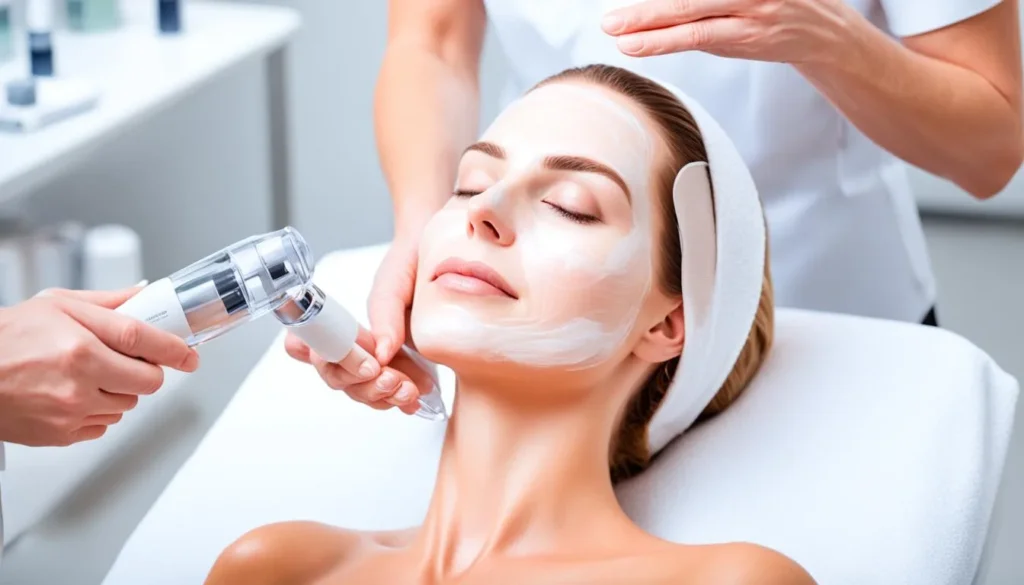
To keep results, most providers suggest a repeat course or maintenance session about every six months.
| Maintenance Aspect | Suggestions |
|---|---|
| Full Course Repetition | Every 6 months |
| Supportive Treatments | Massages, every few months |
| Aftercare | Skip makeup for 24 hours and sauna or hard workouts for a few days |
Is Biorevitalization Right for You?
There’s no single right age. If your skin looks dry or dull, or the first fine lines are appearing, it’s worth a consultation, whether you’re 25 or 55. A provider can tell you whether to use it on its own or as part of a bigger plan.
FAQ
What age can you start biorevitalization?
Usually in your mid-20s, as prevention. In your 30s it restores lost hyaluronic acid, and after 40 it’s often combined with other treatments.
Who should consider biorevitalization?
Anyone with dry, dull or dehydrated skin, or early signs of aging. It suits people in their 20s and 30s as a preventive step and older adults as part of a wider plan.
Who should avoid biorevitalization?
People who are pregnant or breastfeeding, or who have active infections or certain autoimmune conditions.
How often should you get biorevitalization treatments?
Plan on 3–4 sessions, 2–4 weeks apart, then maintenance about every six months.