Do threads really build collagen?
Do Threads Really Build Collagen? Skin Facts
Do threads build collagen? Yes. Absorbable threads like PDO trigger a healing response as your body breaks them down over about six months, and new collagen forms around each thread.
That collagen helps the skin stay firmer after the initial lift fades. PDO threads are FDA-cleared, and a typical session takes 30 to 60 minutes.
What Are PDO Threads?
PDO (polydioxanone) threads are dissolvable sutures placed under the skin to lift sagging areas and stimulate collagen.
How they’re made and absorbed
Polydioxanone has been used in surgical stitches for decades. The body absorbs it gradually, and the healing process around it produces new collagen.
Primary Benefits of Using Threads
You get a visible lift right away and firmer skin over the following months. Downtime is short compared with a facelift, and results typically last 6 to 18 months. Thread lifts cost about $500 to $5,000.
How Do Thread Lifts Stimulate Collagen?
The Science Behind Collagen Stimulation
Each thread causes a mild, controlled injury. The body responds by laying down collagen and elastin around it.
The threads dissolve in about six to nine months, but the collagen they prompted can keep supporting the skin for a while after.
Threads vs. Other Treatments
A thread lift is less invasive and less expensive than surgery, with a shorter recovery.
The effect is gradual and modest compared with a facelift, but it doesn’t involve incisions.
| Aspect | Thread Lifts | Other Treatments |
|---|---|---|
| Procedure Time | 30-60 minutes | 1-2 hours |
| Recovery Time | A few days to 2 weeks | Several weeks |
| Cost | Lower | Higher |
| Collagen Production | Sustained over months | Varies by treatment |
Thread Lifts for Skin Tightening
Threads give an immediate mechanical lift, then collagen builds over time.

PDO Threads for Neck and Jawline
They’re often used for mild sagging along the jawline and neck.
In the U.S., a thread lift averages about $2,050, well below a surgical facelift. Results usually last 6 to 18 months.
Applications for Facial Contouring
Threads can soften marionette lines and lift the cheeks and brows. Smooth threads mainly stimulate collagen, while barbed threads give more lift.
Many people combine threads with fillers or Botox for a fuller result.
Do Threads Really Build Collagen?
Clinical Studies and Findings
Studies support that PDO threads stimulate collagen around the thread as it dissolves.
That’s useful because collagen naturally declines with age, which leads to thinner, looser skin.
What patients report
Many people say their skin feels firmer and fine lines look softer.
Thread lifts do carry risks, including infection, swelling, dimpling and asymmetry.
Collagen and Skin Rejuvenation
Collagen and elastin keep skin firm and springy, and both decline with age.
As PDO threads dissolve over about six months, they leave behind new collagen that helps skin look more supple.
Most people notice firmer skin within a few weeks, and collagen keeps building over two to three months. There are no incisions, and the procedure usually takes 30 to 60 minutes.
Results generally last 6 to 18 months. Sun protection and good skincare help them last.
Long-Term Benefits
Long-Term Collagen Stimulation
Collagen keeps building for months after treatment, so the skin can keep improving after the initial lift.
Effects often last up to 18 months.
PDO is the same material used in dissolvable surgical sutures.
Skin Hydration and Firmness
Some people notice firmer, more elastic skin and slightly smoother texture.
Recovery is quick, though bruising and swelling can last a week or two.
Your provider will tell you which activities to avoid while you heal.
Types of Threads
PDO is the most common, but PCL and PLLA threads are also used.
PDO Threads
These lift the skin and prompt collagen, and you’ll usually see results for somewhere between 6 and 18 months. Plenty of patients add a little filler at the same visit.
PCL Threads
Polycaprolactone threads dissolve more slowly, so their effect can last longer.
PLLA Threads
Poly-L-lactic acid threads stimulate collagen gradually and can add a bit of volume over time.
Your provider will choose based on your goals and how much lift you need.
| Thread Type | Material | Longevity | Additional Benefits |
|---|---|---|---|
| PDO Threads | Polydioxanone | 6-18 months | Full facial rejuvenation, combines with dermal fillers |
| PCL Threads | Polycaprolactone | Up to 24 months | Dissolves slowly; linked to increased collagen production in studies |
| PLLA Threads | Poly-L-lactic acid | Up to 24 months | Volumizes sagging skin, enhanced skin texture |
Combining Threads with Other Treatments
Thread Lifts and Dermal Fillers
Threads lift, fillers bring back lost volume, so the two get paired a lot for cheeks and the jawline. A few fillers even nudge collagen along on their own.
Complementary Non-Surgical Procedures
Botox relaxes the muscles that cause expression lines, and lasers or peels improve surface texture and tone.
Results and Longevity
Results come in two stages.
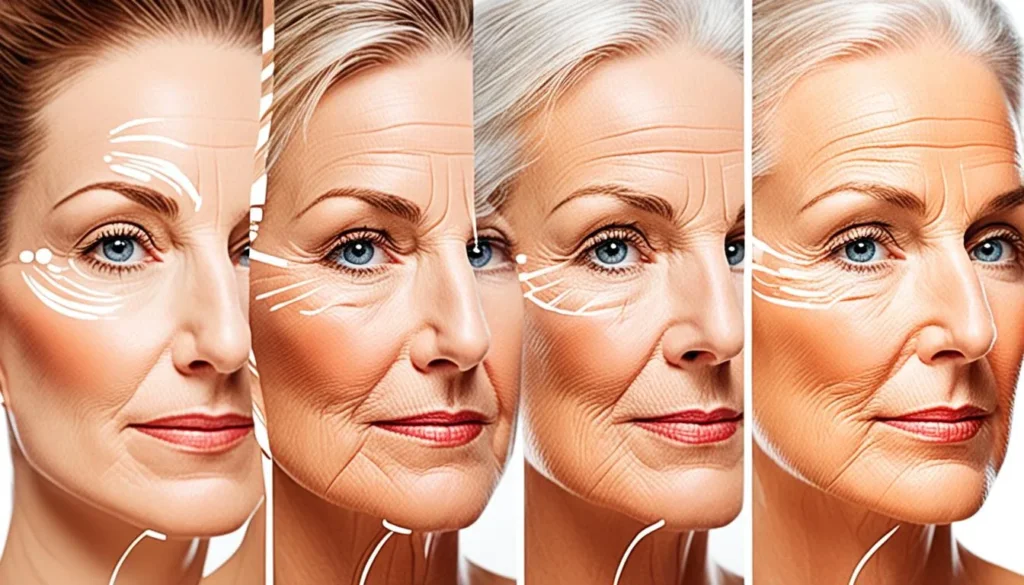
Initial and Long-Term Outcomes
Right after treatment you’ll see a subtle lift from the threads themselves. Some bruising or swelling is common for a few days.
The longer-term change comes from collagen built as the threads dissolve.
PDO threads dissolve in about six to nine months, PCL threads more slowly. Thread lift results usually last 6 to 18 months, sometimes longer.
Duration of Results
How long results last depends on the thread type, your skin and your habits. Touch-ups and good skincare help.
Threads are used mostly on the face and neck, and sometimes on body areas.
| Thread Type | Initial Outcome | Longevity |
|---|---|---|
| PDO (Polydioxanone) | Visible lift within days | 6 to 18 months |
| PCL (Polycaprolactone) | Immediate improvement | Up to about 2 years |
Safety and Complications
Thread lifts are minimally invasive, but they do carry risks.
Common Side Effects
Bruising, swelling and tenderness are common and usually settle within one to two weeks.
Less often, you might see small dimples, a thread you can feel or see, or an infection.
Rare problems include a thread shifting or poking out, an uneven look, or an injury to a nerve or blood vessel.
How do you lower the risk?
Most of it comes down to who you see. Someone who places threads every week knows how deep to go and how to avoid vessels.
Mention any blood thinners or supplements at your consult, since they make bruising worse. After the visit, sleep on your back for a few nights and don’t rub your face or open your mouth wide.
And if a problem does show up? Infections get antibiotics, a stubborn lump may get a small steroid injection, and a thread that’s misbehaving can be repositioned or taken out.
FAQ
Do Threads Really Build Collagen?
Yes. As PDO threads dissolve, the healing response produces new collagen, which tightens the skin.
What are PDO Threads?
Dissolvable sutures used for thread lifts. They’re FDA-cleared and absorbed over about six months.
What Are the Primary Benefits of Using Threads?
An immediate lift and gradually firmer skin.
How do Thread Lifts Stimulate Collagen Production?
Inserting the threads triggers healing, and that healing produces collagen.
How Do Thread Lifts Compare to Other Treatments?
They’re less invasive and cheaper than surgery, with a smaller, gradual effect.
How Effective Are PDO Threads for Neck and Jawline?
They work well for mild sagging along the neck and jawline.
Are PDO Threads Suitable for Facial Contouring?
Yes. They can lift the jawline, cheeks and brows.
What Do Clinical Studies Say About Thread Lifting and Collagen Formation?
Studies show collagen forms around the threads as they dissolve.
What Are the Long-Term Benefits of Thread Lifts for Collagen Stimulation?
Firmer skin that can last up to about 18 months.
What Types of Threads Are Used for Collagen Stimulation?
PDO, PCL and PLLA. PDO is the most common.
Can PDO Threads Be Combined With Other Treatments?
Yes, especially with fillers, which add volume while threads lift.
What Are the Expected Results and Longevity of Thread Lifts?
An immediate lift that improves over a few months and usually lasts 6 to 18 months.
What Are the Common Side Effects of Thread Lifting?
Swelling and bruising that fade within a week or two. Dimpling and infection are less common.
How Can Risks Associated With Thread Lifting Be Minimized?
Choose an experienced provider and follow aftercare instructions.