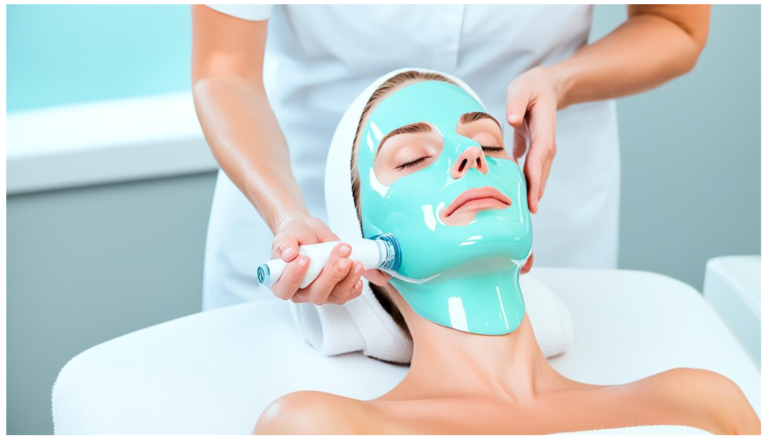
What is the difference between PDO and thread lift?
PDO vs. Thread Lift: What’s the Difference?
PDO threads vs thread lift: what’s the difference? A PDO thread lift is one kind of thread lift, using threads made of polydioxanone, the same material as dissolvable stitches. PDO results usually last about 6 to 12 months. Threads made of PLLA (poly-L-lactic acid) or PCL (polycaprolactone) dissolve more slowly and can last up to two years.
All of them are less invasive than a facelift, with shorter recovery and lower cost.

What is a thread lift?
A thread lift places dissolvable threads under the skin to lift sagging areas of the cheeks, jaw, neck, or brows.
The threads also trigger collagen as they dissolve. Thread lifts are often combined with fillers or skin-tightening treatments.
It’s done under local anesthesia, usually in under an hour, and most people feel only mild discomfort.
Newer techniques place threads through a blunt cannula, which can reduce bruising. Several PDO thread brands are FDA-cleared.
Barbed threads grip tissue to lift areas like the cheeks, jawline, and neck.
Smooth threads tighten skin and soften fine lines. Combining both types can give a more natural, longer-lasting result.
How PDO threads work
PDO is the same material used in dissolvable stitches, so the body handles it well.
The threads lift the skin right away, and as they break down they prompt new collagen and elastin.
Placing PDO threads often takes 15 to 30 minutes per area, and most people go back to their day right after.
Bruising and swelling are common and fade on their own.
Good candidates are usually in their mid-30s to mid-50s with mild to moderate sagging. People with more sagging may get better results from a facelift.
PDO vs. other thread types
PDO threads come in smooth, twist, and barbed versions. Barbed threads give an instant lift, while smooth and twist threads mainly stimulate collagen.
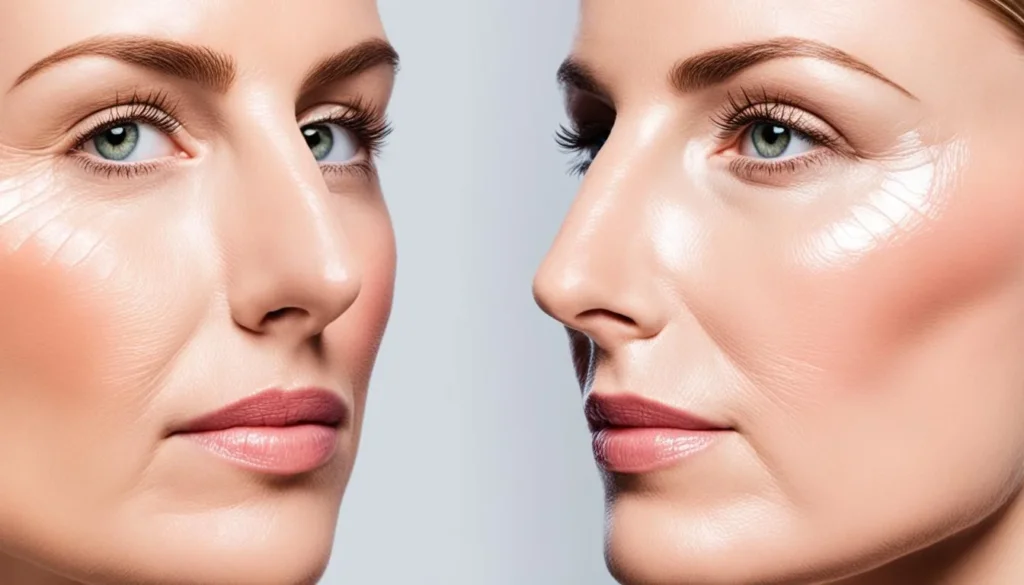
Anchoring or cog threads give a more dramatic lift right away. Simple PDO threads give a subtler, more natural change.
PLLA and PCL threads dissolve more slowly and keep stimulating collagen longer, so results can last up to two years.
PDO threads show results sooner but fade faster, usually within about a year.
Benefits of PDO threads
The healing reaction around the threads builds collagen, which keeps skin firmer even after the threads are gone.
The threads dissolve in about six to eight months, and the lift usually lasts 6 to 12 months.
There are no big incisions or general anesthesia, so there’s less downtime than with surgery. Visible threads, bruising, or pain can happen and are usually manageable.
PDO vs. other thread lifts at a glance
Thicker barbed or longer-lasting threads suit people with more sagging and can last one to two years.
PDO lifts usually cost less. Clinics price by area or number of threads, and one area may take around 10 threads.
Soreness, bruising, and swelling usually fade in three to seven days.
| Aspect | PDO Threads | Other Thread Lifts |
|---|---|---|
| Material | Polydioxanone (PDO) | Various (e.g., barbed threads) |
| Longevity | 6-12 months | 1-2 years |
| Cost | Lower (priced per thread or area) | Higher (varies by clinic) |
| Treatment Time | About one hour | Varies |
| Side Effects | Soreness, bruising, swelling (3-7 days) | Mild inflammation, redness (24-48 hours) |
Other thread options
Barbed threads lift and gather tissue for a quick, visible effect.
They hold the skin in its new position.

PCL threads take up to two years to dissolve and keep stimulating collagen the whole time.
Which is better depends on how much lift you want and how long you want it to last.
| Thread Type | Benefits | Longevity |
|---|---|---|
| Barbed Threads | Immediate lift, effective for larger areas | 12-18 months |
| Polycaprolactone (PCL) Threads | Prolonged collagen stimulation, durable results | Up to 24 months |
Does it hurt?
Local anesthesia keeps you comfortable. You may feel pulling or tugging as the threads go in.
Swelling and bruising can last a week or two, and you may feel sore near the mouth or eyes. Acetaminophen helps for the first couple of days. Avoid hard exercise for a week.
| Aspect | Details |
|---|---|
| Pain Duration | 1-2 weeks |
| Common Post-Procedure Sensations | Swelling, bruising, mild to moderate pain |
| Pain Management | Acetaminophen, avoiding heavy exertion |
| Local Anesthesia | Used to reduce pain during the procedure |
| Consultations for Severe Symptoms | Needed if experiencing severe pain, uneven swelling, or noticeable bruising |
Cost
PDO thread lifts usually cost $700 to $4,500 depending on the area and location. Neck or jawline treatments run about $800 to $1,000, and the brows, cheeks, and jowls about $1,200 to $1,800.
A full face, neck, and jawline treatment can cost $2,000 or more. PLLA and PCL threads cost more up front but last longer. All are far cheaper than a facelift.
Cost comparison:
| Procedure | Average Cost (USD) | Notes |
|---|---|---|
| PDO Thread Lift (Neck/Jawline) | $800 – $1,000 | Less invasive with quick recovery |
| PDO Thread Lift (Face) | $1,200 – $1,800 | Covers brows, cheeks, jowls |
| Comprehensive PDO Thread Lift | $2,000+ | Full face, neck, and jawline |
| Traditional Facelift | $5,000+ | Highly invasive and permanent |
Many practices offer installment plans or financing.
FAQ
What is the difference between PDO and other thread lifts?
PDO is one type of thread. PDO threads give a subtle lift for about 6 to 12 months. PLLA and PCL threads last longer and are often used for stronger lifts.
How long does a PDO thread lift last?
The threads dissolve in six to eight months, and the lift usually lasts 6 to 12 months.
What are PCL threads?
Threads made of polycaprolactone. They dissolve over about two years and keep stimulating collagen.
How much does a PDO thread lift cost?
Usually $700 to $4,500, depending on the area, number of threads, and location. PDO is usually cheaper than PLLA or PCL.