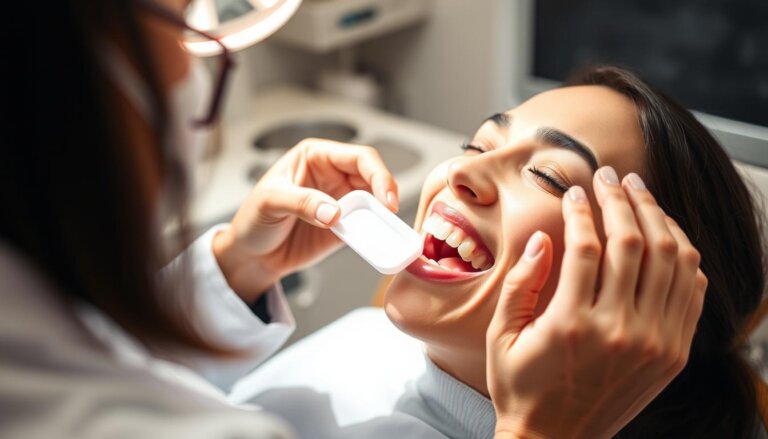
How Long Does Professional Teeth Whitening Last?
So, how long does teeth whitening last? For most people, six months to three years. The bigger factor is what you drink and whether you smoke. Coffee, tea, red wine and cigarettes stain fastest, and a quick touch-up every so often keeps the color up for years.
No whitening is permanent. Teeth keep picking up new stains and slowly darken with age, but the fade is gradual and easy to manage. If you’re thinking about professional teeth whitening at our Upper East Side practice, here’s what decides how long the shade holds.
Why does whitening fade at all?
Peroxide gel seeps into enamel and breaks apart the pigment molecules, called chromogens, that make teeth look yellow or brown. Those particular molecules don’t come back. New ones do, starting with your next espresso.
Enamel looks solid but is faintly porous, closer to unglazed pottery than to glass. Tannins from black tea and red wine, the dark compounds in coffee and cola, the yellow of turmeric: all of it works its way in, a little each day. Meanwhile the dentin under the enamel slowly yellows with age and the enamel itself thins, so even a strict water drinker drifts darker over the decades.
One more thing nobody warns you about. Teeth look whitest the minute treatment ends, partly because they’ve dried out. Over the following week they rehydrate and settle back a little. That’s expected, and it’s why the shade worth judging is the one you see about two weeks later, not the one in the chair.
Your starting color counts as well. Yellowish teeth tend to respond well and hold the result. Gray or bluish discoloration from certain medications (tetracycline taken in childhood is the classic example) responds poorly, and chalky white spots from decalcification don’t bleach away. A dentist can usually tell which kind you have before you spend anything.
In-office or take-home: which lasts longer?
Not as much difference as the marketing suggests. An in-office session uses a stronger gel under supervision and gets most of the change done in one visit. Custom take-home trays use a gentler gel over one to two weeks and arrive at a similar place more slowly. After that, the shade’s lifespan is mostly about your coffee order, not the method.
At VisoDent NY we use two in-office systems, Zoom! and SinSational Smile. Plenty of people combine an in-office visit with custom trays kept in the bathroom drawer for touch-ups, which is probably the least effortful way to keep a shade for years. The visit makes the big jump; a few nights in the trays every so often holds it there.
Drugstore strips can help maintain a shade too, though they’re less precise and the gel tends to wander onto the gums. Mention what you’re using at your next visit.
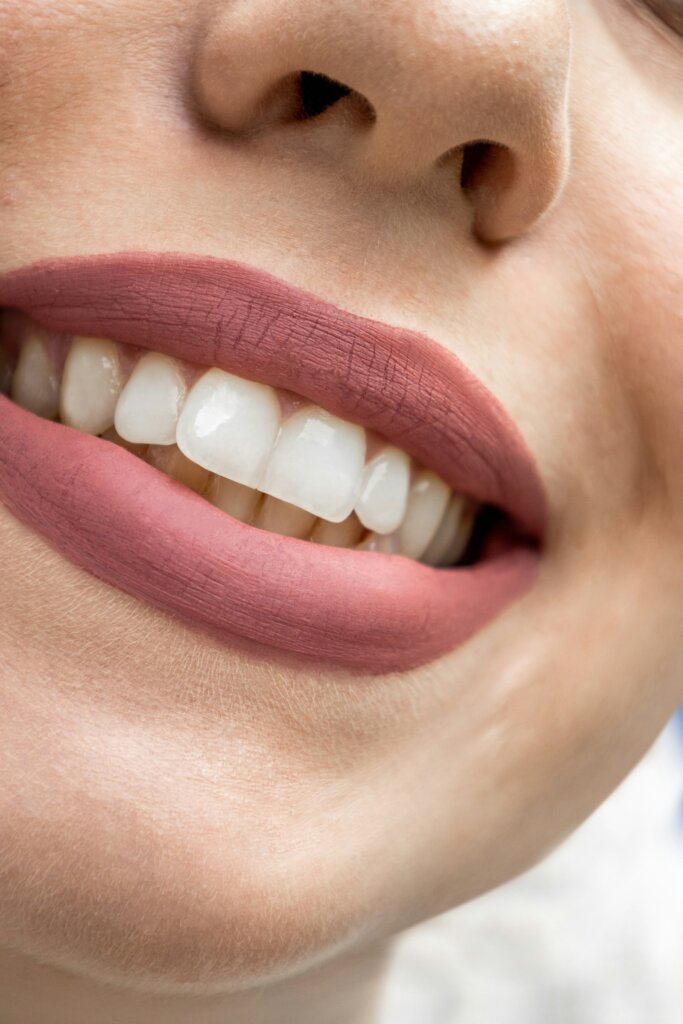
What stains whitened teeth fastest?
Coffee, if you drink several cups a day. Then black tea, red wine, cola, and anything smoked or vaped. Smoking is the worst of the lot for whitening, and it’s not unusual for smokers to see yellow creeping back within a few months.
Food plays a smaller part. Soy sauce, curry, blueberries, balsamic, a big bowl of marinara. No need to swear them off. A sip of water afterward helps, and so does eating them with a meal instead of picking at them all afternoon.
The first two days are the exception. Freshly whitened teeth pick up stain more easily, so most dentists suggest a “white diet” for 24 to 48 hours: chicken, rice, pasta without red sauce, yogurt, water. Two days. The Malbec at that wine bar on Second Avenue will still be there on Thursday.
How can you make whitening last longer?
A few small habits help. Drink iced coffee or tea through a straw, rinse with water after coffee, tea or wine, wait about 30 minutes after an acidic drink before brushing, keep up cleanings every six months, and cut back on smoking or vaping, ideally to zero.
Cleanings matter more than people expect. A hygienist polishes off the surface film that builds up between visits, which brightens whitened teeth without any bleaching at all. Our article on whether cleanings can whiten teeth or remove stains explains what polishing can and can’t do.
Then there are touch-ups. Some people put their trays in for a few nights every few months or after the holidays. Others book an in-office refresher every year or two. Ask your dentist what schedule makes sense for your teeth.
Will whitening work on crowns, veneers or fillings?
No. Gel lightens natural enamel only; porcelain, zirconia and tooth-colored fillings keep whatever shade they were made in. If you’re planning dental work, the order matters. Whiten first, let the shade settle, then match any new crown or veneer to it, and you avoid a front tooth that looks a step darker than the rest. Got a wedding coming up? Our guide to teeth whitening before a wedding covers timing.
For a neutral overview of whitening options, including what to look for in over-the-counter products, the American Dental Association’s MouthHealthy page on teeth whitening is a good read.
Frequently asked questions
Is professional teeth whitening permanent?
No. It removes existing stain, but new stain builds up and teeth darken slightly with age. With good habits and touch-ups, results can last for years.
How soon can I drink coffee after whitening?
Most dentists suggest waiting 24 to 48 hours. If you really can’t, drink it iced through a straw and rinse with water afterward.
How often can I whiten my teeth?
It depends on your teeth and the product. Touch-ups are usually spaced months apart, and your dentist will suggest a schedule that avoids sensitivity.
Brighten your smile on the Upper East Side
At VisoDent NY, whitening starts with a quick check of your teeth and any existing dental work, so the shade you get is one you can keep. Visit us at 903 Park Ave, New York, NY 10075, or call 212-991-9095 to schedule a whitening appointment on the Upper East Side.