How Many BBL Treatments Do You Need?
Three to five, for most people. BBL treatments are usually booked about four weeks apart to clear sun spots and redness, and after that first series one or two touch-up sessions a year keep things from sliding back. A few faint freckles can disappear after one visit. Redness almost never does.
Your own count could run lower or higher. It hinges mostly on what’s on your skin and whether you’ll keep collecting sun, and below is how a series of BBL PhotoFacial treatments at our Upper East Side practice usually gets planned.
Why does BBL take more than one session?
BBL stands for BroadBand Light. It’s Sciton’s take on intense pulsed light: bright flashes, filtered so that brown pigment and the blood inside small surface vessels soak up most of the energy. Those targets heat up, and over the next couple of weeks your body hauls the damaged bits away.
Why not just do it all at once? Because the same flash is going through the healthy skin on the way in, and that skin has a limit. You clear a slice each visit. If you crank the settings right up to do it all in one go, you’re gambling with burns and patchy pigment, which is a very poor trade for a few freckles.
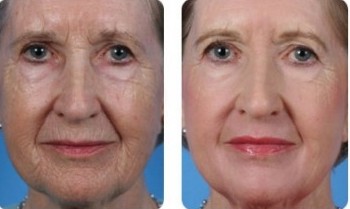
Progress is far easier to judge with photos. Many providers will take a photo of your skin prior to the first session and again at a later date (same light, same angles) because the difference in your own bathroom mirror from one week to the next is so easy to miss.
How many sessions for sun spots versus redness?
Brown spots are the quick win. Within a day or two of a session they turn darker, almost like someone sprinkled coffee grounds on your cheeks, and over about a week they flake away in the shower. Just a handful of light spots from one careless July? One or two sessions might do it.
Red is stubborn. Rosacea-type flushing, that general pinkness across the cheeks, the little broken capillaries beside the nostrils: plan on three to five sessions, sometimes more, because vessels fade bit by bit instead of shedding. Flushing can calm down a lot with BBL. Rosacea itself doesn’t go away, which is why it needs upkeep.
Most faces have a bit of both. Say you spent every childhood August at Montauk and you still jog the reservoir at lunch with no hat. You’d likely have spots, redness and some general dullness. Different filters go after each, often in one visit, though a mix like that usually ends up nearer five sessions than three.

What else changes the number of treatments?
Where on the body. A face often clears within the standard series. Chests and the backs of hands, though? They’ve had forty-odd summers of sun with little protection (who puts SPF on their hands?), and an extra session or two there is common.
Your skin tone affects the math as well. BBL works on contrast: a dark spot on light skin will pick up the light whereas the surrounding skin will largely not. With medium and deeper skin tones, there’s less contrast, so the settings are going to be gentler, which can mean more treatments, or your provider may just recommend a different treatment.
Melasma needs its own warning. The hormonal patches (often on the upper lip and forehead) can actually darken following light treatment, so they need to be excluded before anyone thinks about pointing a flash at facial pigment. Sunscreen is a must. Wear it every day, reapply at the outdoor table on Madison Avenue, and the results hold. Don’t wear it and you’re going to be paying to clear the same spots twice.
What about maintenance after the first series?
New sun means new spots, so most people book one or two sessions a year after the first series. October is popular, right after summer. Sciton has even branded this routine-upkeep idea as Forever Young BBL: smaller, regular sessions over the years rather than one big correction every decade.
In between, sunscreen does the heavy lifting. If you like a facial now and then, our post on HydraFacial MD describes one popular kind. Is texture your bigger worry, things like acne scars or creases? Then you want a different device; our overview of laser skin resurfacing explains those.
When is the best time to start a BBL series?
Fall or winter. A tan soaks up more of the light, which makes burns and uneven pigment more likely, so you’ll usually be asked to skip strong sun (and self-tanner) for a few weeks before each session. Start around Thanksgiving and four sessions can wrap up by early March, well before rooftop season.
A full-face session often takes 20 to 30 minutes, short enough for a long lunch break, and most people walk back to the office a little flushed, speckled with those darker coffee-ground spots. Event coming up? Leave a week minimum for the flaking to finish. Two weeks if it’s your wedding.
For a neutral look at how light-based treatments are used for redness, the American Academy of Dermatology’s page on lasers and lights for rosacea is worth reading.
Frequently asked questions
Can one BBL treatment be enough?
Occasionally, for a few light sun spots on otherwise clear skin. Redness, broken capillaries or years of sun damage need more than that.
How far apart should BBL sessions be?
Roughly a month. Your skin needs that long to clear what was treated before it’s ready for the next round.
Will my sun spots come back after BBL?
Treated spots often stay faded, but new ones can show up with more sun. Daily sunscreen plus a yearly touch-up keeps most people ahead of it.
Plan your BBL series on the Upper East Side
At VisoDent NY, we look at your skin, your sun history and your calendar before suggesting how many BBL sessions make sense. Visit us at 903 Park Ave, New York, NY 10075, or call 212-991-9095 to book a consultation on the Upper East Side.