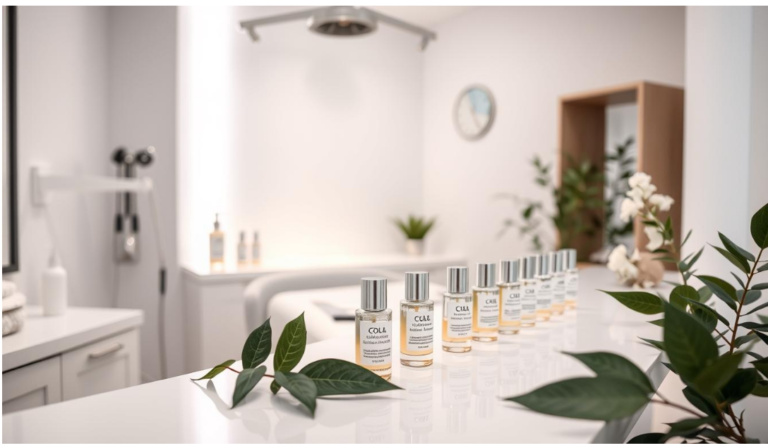
Are exosomes better than PRP for face?
Exosomes vs. PRP for Facial Rejuvenation: Which Wins?
Exosomes vs PRP for face: which is better? There’s no clear winner yet. PRP uses growth factors from your own blood and has more research behind it. Exosomes are newer, and the evidence for them is still early. In the U.S., no exosome products are FDA-approved for cosmetic use.
Below we compare how they work, what to expect and the risks.

What are exosomes and PRP?
What are exosomes?
Exosomes are tiny particles that cells release to send signals to other cells. Cosmetic products usually come from cells grown in a lab.
What is PRP?
PRP, or platelet-rich plasma, is made from your own blood. It’s spun to concentrate platelets, which release growth factors.
Because PRP comes from your body, the risk of an allergic reaction is very low.
How do they work?
Exosomes carry proteins and other signals that may encourage skin repair and collagen production.
Most of the research on exosomes for skin is early, and products vary a lot in quality.
PRP is injected or applied after microneedling, where growth factors may boost collagen and healing.
Both aim to support your skin’s natural repair process, but they get there in different ways.
What are the possible benefits of exosomes?
Exosomes may help skin recover faster after treatments like microneedling.
Some early studies suggest they may improve texture and tone, but larger studies are needed.
What are the benefits of PRP?
PRP uses your own growth factors to support collagen, which may soften fine lines and acne scars.
Results are usually gradual and often need a series of treatments.

It’s minimally invasive, involving a blood draw and injections or microneedling.
Side effects are usually mild, like redness, swelling or bruising.
Which works better?
Studies on exosomes for facial rejuvenation are small and short-term so far.
PRP has more research behind it, though results vary from person to person.
Neither has been proven clearly better than the other for the face.
Are there risks?
Exosome treatments can cause redness, swelling or irritation. Because products come from donor cells and aren’t FDA-approved, quality and safety can vary.
PRP can cause mild pain, bruising and swelling at the treatment site.
Here’s a quick comparison of common side effects:
| Therapy | Common Side Effects | Duration |
|---|---|---|
| Exosome Therapy | Swelling, redness, discomfort, rare allergic reactions | Few days |
| PRP Therapy | Mild pain, bruising, skin tightness | Few days |
What happens during treatment?
Exosome treatments often start with microneedling, followed by applying the exosome product to the skin.
A numbing cream may be used first.
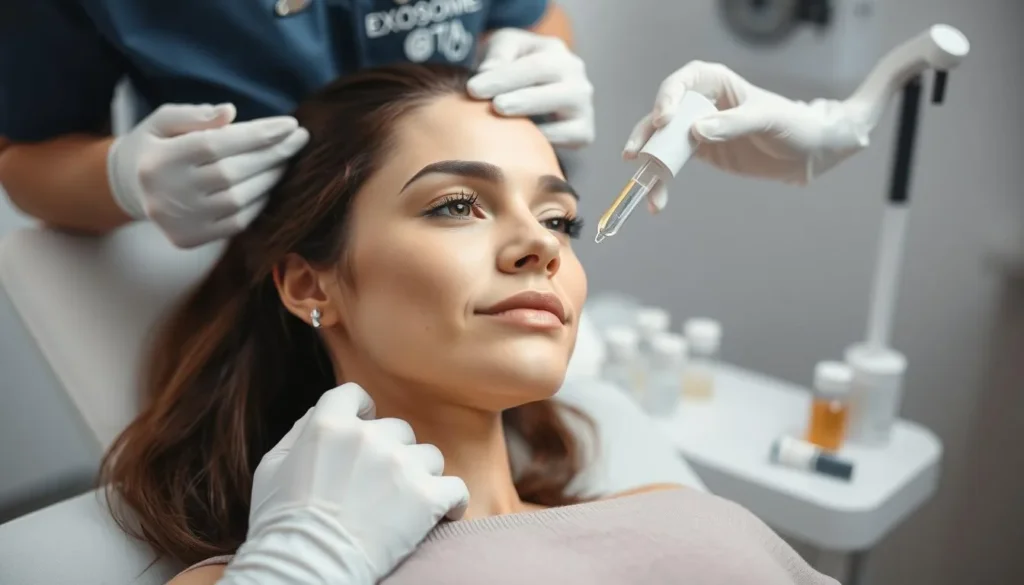
For PRP, a small amount of blood is drawn and spun to concentrate the platelets, then injected or applied after microneedling.
How long is recovery?
After either treatment, you may have redness and mild swelling for a day or two.
Be gentle with your skin, protect it from the sun and follow your provider’s aftercare advice.
PRP injections can also leave small bruises that fade within several days.
What do they cost?
Costs depend on the clinic, your location and how many sessions you need.
Exosome products are often more expensive, while PRP uses your own blood.
What should you consider?
Many dermatologists see promise in exosomes but want stronger evidence before recommending them widely.
PRP is still popular. It’s your own blood, and it’s been around longer.
Which is right for you?
Want fewer unknowns? Go with PRP for now. Curious about exosomes? Ask where the product comes from and what research backs it.