Can Dermal Fillers Be Dissolved?
Yes, if the filler is made of hyaluronic acid. HA fillers such as Juvederm, Restylane and Belotero respond to hyaluronidase, an enzyme that breaks the gel apart, and most of the effect shows within a day or two. Fillers made from other materials, including Radiesse and Sculptra, can’t be dissolved this way, which is worth knowing before you choose a product.
That reversibility is a big part of why HA products are so widely used for dermal filler treatment, and it’s worth raising at any consultation, including at our Upper East Side practice. It works as a safety net for emergencies and as an undo button for results that didn’t turn out the way someone hoped.
How does hyaluronidase dissolve filler?
Hyaluronic acid is a long sugar chain your body already makes; it’s part of what keeps skin and joints hydrated. Filler companies take that molecule and cross-link the chains into a gel (Juvederm’s Vycross and Restylane’s NASHA are examples of these manufacturing approaches), which is what lets a filler hold its shape for months instead of being absorbed in days. Hyaluronidase is an enzyme that cuts the bonds holding those chains together. Once the gel is broken into fragments, the body clears them the same way it handles its own hyaluronic acid.
You can sometimes feel a difference the same afternoon. Most of the softening, though, happens over the following day or two, and a dense, heavily cross-linked product (or a generous amount placed a year ago) may call for a second dose a few days later. A commonly used brand is Hylenex, a human recombinant version of the enzyme; its FDA approval covers helping other injected drugs disperse, so dissolving filler is technically off-label, though it’s a long-established practice. One side note: the enzyme doesn’t distinguish between filler and the hyaluronic acid your skin makes on its own, so the area may look a touch flatter for a short time while your natural supply rebuilds, which it does quickly.
Why would someone have filler dissolved?
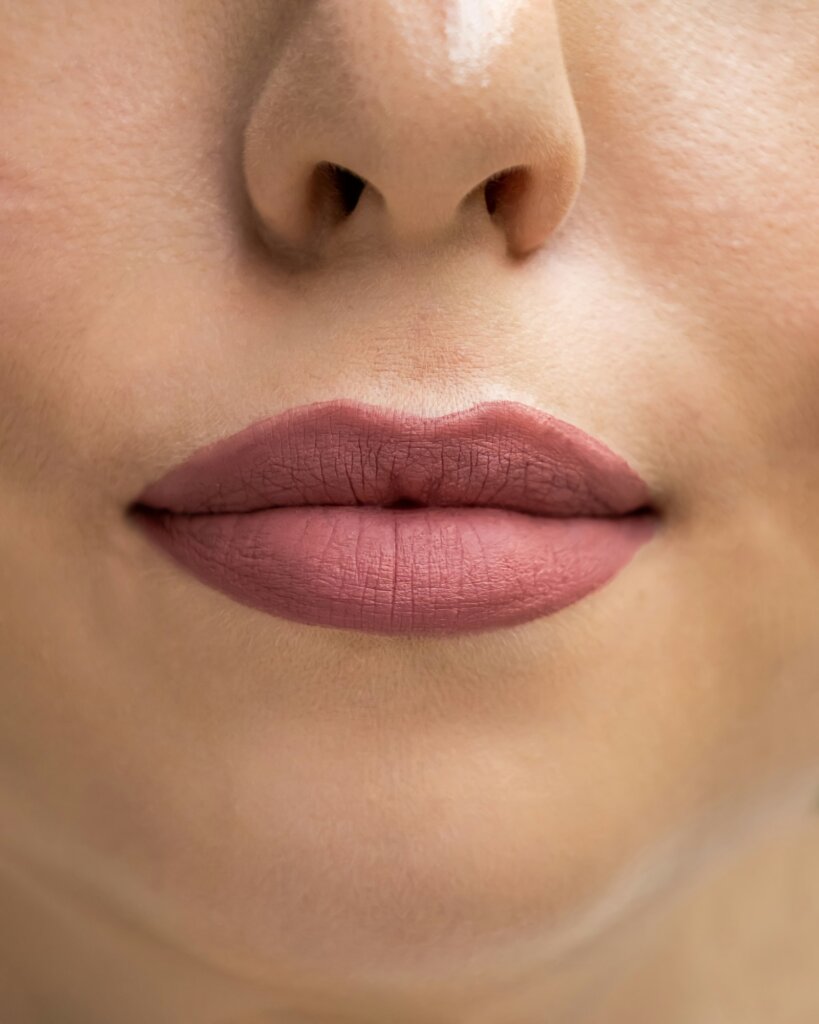
Most requests are cosmetic. Lips that were built up over several appointments can tip from full into overfilled, and filler sometimes drifts above the lip border into the skin of the upper lip, a shelf some people call a filler mustache. Under the eyes, HA placed too close to the surface can show through thin skin as a bluish cast, known as the Tyndall effect. Small lumps, asymmetry, and simply wanting a fresh start before a new treatment plan are all common reasons too. Our article on what happens when you stop using fillers covers the more gradual alternative of letting a product wear off on its own.
Vascular occlusion is the medical reason, and it’s quite rare. It occurs when the filler is injected into a small artery (or presses on one from the outside), and as a result the skin downstream loses its blood supply. The injector will be looking for blanching (a patch that goes white during or immediately after the injection), and pain that is significantly more acute than the pain of the needle itself. Over the following hours the skin can go mottled and dusky if the flow isn’t restored. The treatment is high-dose hyaluronidase being injected across the area in question and repeated, often hourly, until capillary refill is back to normal. Any change in vision after filler is an absolute emergency. The FDA has listed tissue death, vision problems and stroke as complications that have been reported when filler gets into a blood vessel. It’s entirely reasonable to ask any injector whether they have hyaluronidase on site.
What happens during a dissolving appointment?
It all starts with the history: which product went in, how much, where and when. Filler done at another office is often very poorly documented, so a syringe sticker, an invoice or even a text from the old clinic can be very useful. Then there’s the exam itself, which may involve a portable ultrasound probe (the gel shows up as dark pools under the skin, which allows the injector to place much smaller, more accurate doses). Allergy questions are more important than normal, as both bee and wasp venom contain hyaluronidase and a sting allergy can be a marker of sensitivity. Some clinicians will do a small skin test on the forearm and wait 20 minutes or so. The injections themselves are very quick and only sting for a few seconds. Most appointments are actually completed in about 15 minutes.
Expect some swelling, redness and possibly a bruise for a day or two. The area can look uneven while the gel breaks down and the swelling settles, so judge the result after several days rather than in the elevator on your way out. If you plan to have filler again, many providers suggest waiting around two weeks so the tissue has calmed down and the new treatment is placed on an accurate baseline.
Can non-HA fillers be dissolved?
No reliable enzyme exists for them. Radiesse consists of tiny calcium hydroxylapatite spheres suspended in a gel, and Sculptra is poly-L-lactic acid that works by stimulating your own collagen over months. Both break down gradually on their own, but hyaluronidase has no effect on them. Problems with these products are managed in other ways, such as massage, steroid injections for nodules or, occasionally, surgical removal. The FDA’s dermal filler guidance warns that it may be difficult or impossible to remove filler material, especially permanent fillers or those not made of hyaluronic acid. If reversibility matters to you, say so at the consultation. Our overview of dermal filler risks is useful reading before any first treatment.
Frequently asked questions
Does dissolving filler hurt?
Briefly. The injections sting or burn for a few seconds, and the area can feel tender and puffy for a day or two afterward.
Will dissolving remove all of my filler?
It can, but it doesn’t have to. Your injector can dissolve selectively, for example softening a lump or the lip border while leaving the rest in place, and a second session can follow if more correction is needed.
How soon can I get filler again after it’s dissolved?
Many providers recommend waiting about two weeks, which gives swelling time to resolve so the new filler can be placed accurately.
Talk to an injector on the Upper East Side
If filler from a past treatment isn’t sitting right, or you’d like a plan that keeps reversibility in mind, a consultation is the first step. VisoDent NY is at 903 Park Ave, New York, NY 10075, on the Upper East Side. Call 212-991-9095 to book.